China races to own future industries as U.S. naps

Get the Tech newsletter
Daily tech — startups, AI labs, chips, the launches that shape the next decade. Free.
- Evan Osnos wrote a 12-page New Yorker piece titled "The Future, Made in China," arguing America has been "napping or distracted by trivialities" while China races ahead in future industries, partly by exploiting Trump's trade, immigration, and budget policies.
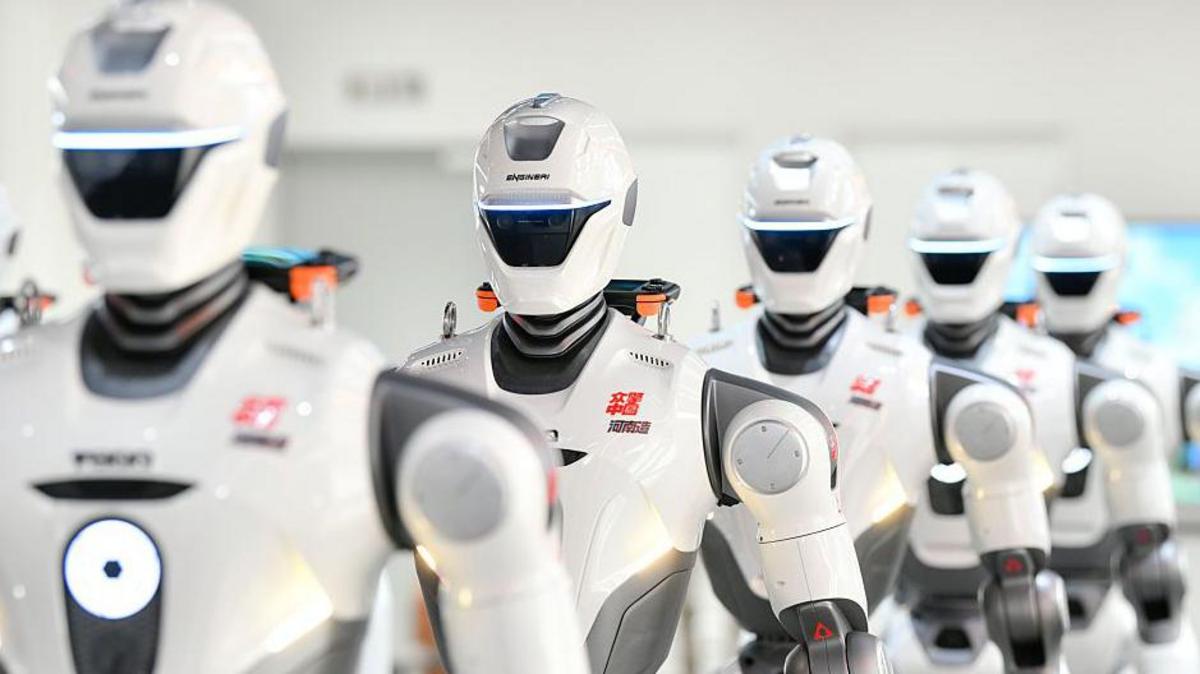
- China produces 70% of the world's drones, electric vehicles, lithium-ion batteries, and solar cells, deploys more industrial robots than the rest of the world combined, and has surpassed the U.S. in registered clinical trials, according to the magazine.
- China's shipbuilding capacity is 200 times that of the U.S., per the New Yorker.
- Rush Doshi of Georgetown and the Council on Foreign Relations warned that losing AI, biotech, and robotics to China — as the U.S. lost solar, batteries, and EVs — would "irreversibly change the balance of power."
- A Renmin University think tank in Beijing published a report titled "Thank Trump" arguing his tariffs, attacks on allies, and immigration policies have hastened "the twilight of an empire."
- An AI kiosk at a Beijing expo scanned Osnos's facial micro-gestures and reported him as 76.67% positive and 23.33% negative emotion; the same manufacturer makes a school version that assigns pupils a red, yellow, or blue alert level.
- A European diplomat who has met with Xi Jinping's advisers told Osnos they are "feeling like the champions of the world," while China now hosts Western influencers on "tech tours" producing "infrastructure porn" and "Chinamaxxing."
Why it matters: If China dominates the next industrial wave — AI, biotech, and robotics — the U.S. loses not just market share but geopolitical leverage, as Doshi warns an irreversible shift in the global balance of power. The piece highlights that Trump-era tariffs and immigration crackdowns are actively pushing American biotech talent back to China, accelerating the gap in the industries that will define the coming decades.