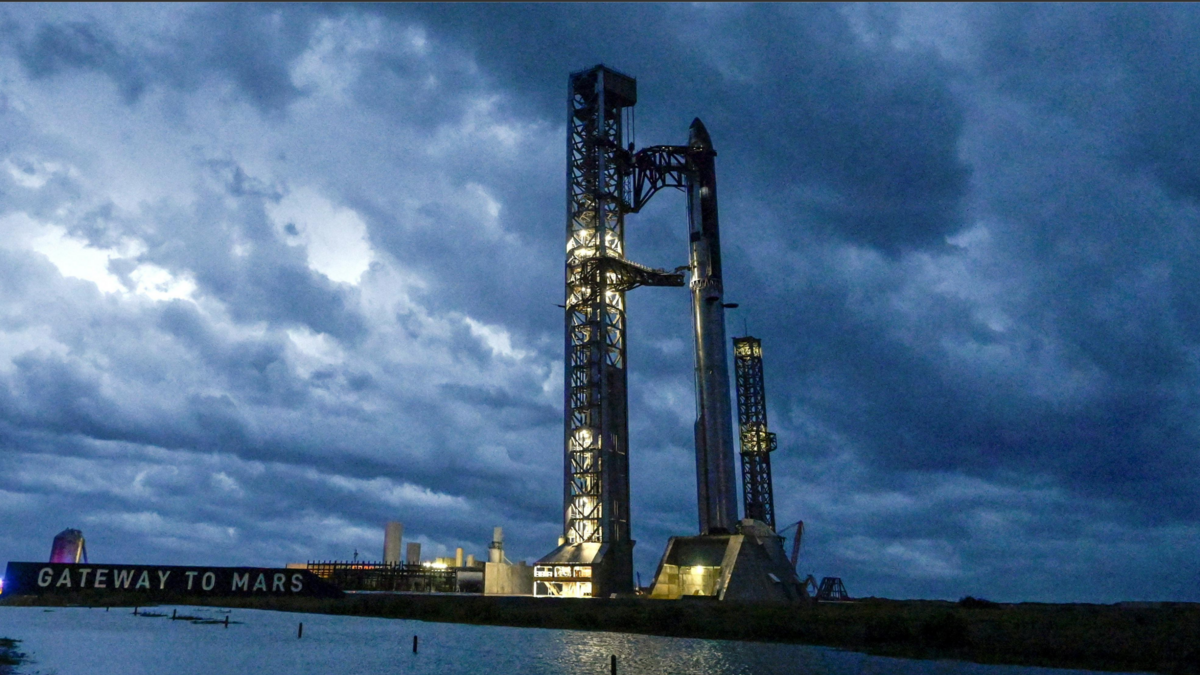
SpaceX's Starship V3 Powers $1.7T Valuation Push

Get the Health newsletter
Daily health & science — research, biotech, public health, the studies worth knowing. Free.
- Starship V3 stands 408 feet tall, carries up to 100 metric tons (up from 35 tons on V2), and is powered by 33 Raptor 3 engines producing 18 million pounds of thrust at liftoff
- Chad Anderson, founder of Space Capital and an early SpaceX investor, told CNBC the V3 underpins Starlink's satellite internet, its cell phone ambitions, orbital data centers, and a future Mars colony
- SpaceX successfully launched Starship V3 on Friday May 22, 2026 from Starbase, Texas, after scrapping a Thursday test flight
- Starlink is positioned to grow from roughly 10,000 satellites today to a planned 42,000 in low Earth orbit, connecting 'hundreds of millions' of mobile users, with V3's higher payload capacity making the scale-up possible
- SpaceX's IPO prospectus pegs its total addressable market at as high as $28.5 trillion — just a few trillion short of annual U.S. GDP — and ties additional Musk share grants to milestones including orbital data centers and a Mars colony
- Anderson argued investors are 'pricing in 2040 economics' — treating SpaceX's launch business as a competitive advantage that gives it access to orbit, not as a standalone rocket company
Why it matters: SpaceX's $1.7 trillion valuation — and the $28.5 trillion addressable market its prospectus claims — hinges on whether Starship V3 can deliver the payload capacity needed to scale Starlink to 42,000 satellites, build orbital data centers, and eventually reach Mars. With the IPO described as potentially the largest in history, retail buyers will be pricing a bet on Musk's multiplanetary timeline rather than a conventional aerospace business.
Ask SkimNews