Guest post: The challenges in projecting future global sea levels
Why it matters: The wide range of potential sea level rise outcomes underscores the urgent need for more accurate climate models and proactive adaptation strategies to mitigate the potentially catastrophic impacts on coastal communities, infrastructure, and ecosystems.
- Sea level rise is accelerating, increasing from 1mm/year to 4mm/year between 1901 and 2006-2018, driven by thermal expansion and melting land ice.
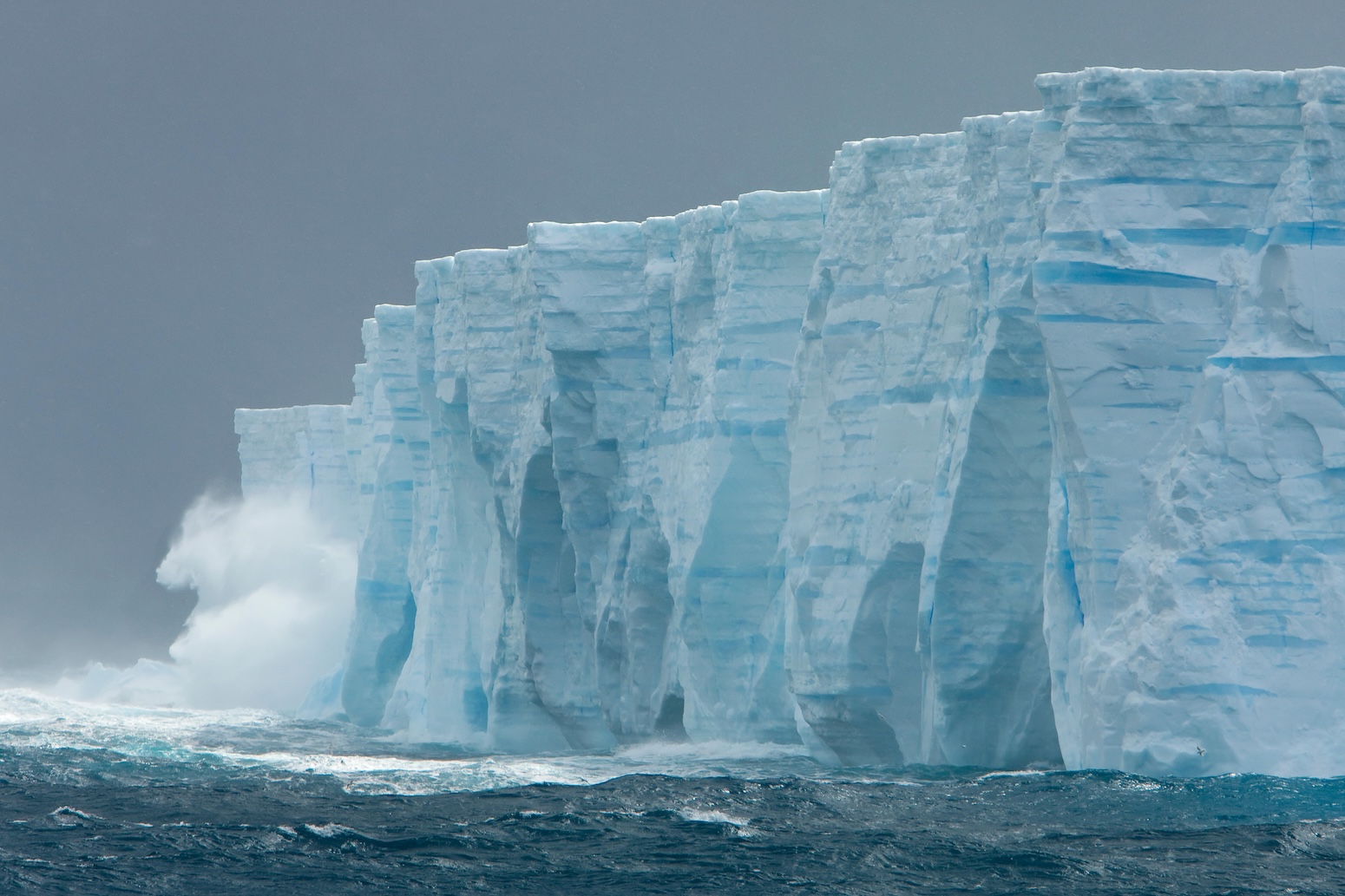
- The IPCC projects continued sea level rise, but acknowledges "deep uncertainty" in predicting the contribution from Antarctic ice melt, which holds 88% of Earth's land ice.
- IPCC projections estimate a "likely" rise of 44-76cm by 2100 under a medium-emissions scenario, but higher levels cannot be ruled out, highlighting the significant range of potential outcomes and the urgent need for better predictive models.
Global sea levels have already risen significantly due to human-caused climate change, and the IPCC projects further increases, but the exact rate of future rise remains uncertain, primarily due to the difficulty in predicting Antarctic ice melt. This uncertainty leads to a wide range of potential sea level rise scenarios, with potentially devastating consequences for coastal regions and infrastructure.