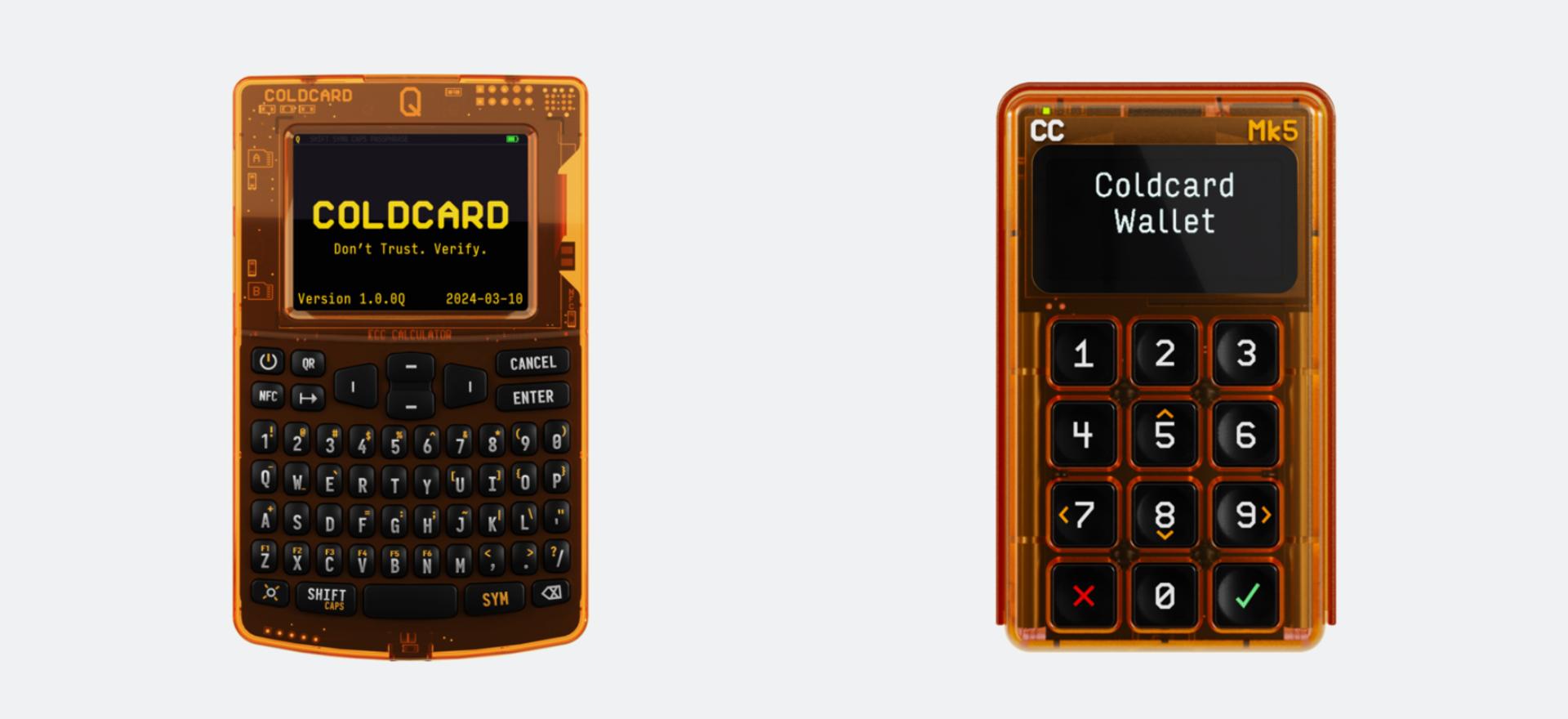
Coldcard Hack Sends Bitcoin Back to Exchanges
Get the Finance newsletter
Daily finance — markets, central banks, M&A, the prints that move money. Free.
- Coldcard suffered a firmware exploit starting July 30 that stole an estimated 1,000–1,300 BTC (~$70–90 million) across more than 1,000 addresses, with attackers leveraging a March 2021 bug that caused some devices to fall back on a predictable software random number generator.
- CryptoQuant's Julio Moreno reported that daily Bitcoin exchange deposits in transactions under 10 BTC spiked to 7,300 BTC on July 31 — the highest level since February 6 — as smaller holders sought safety on centralized platforms.
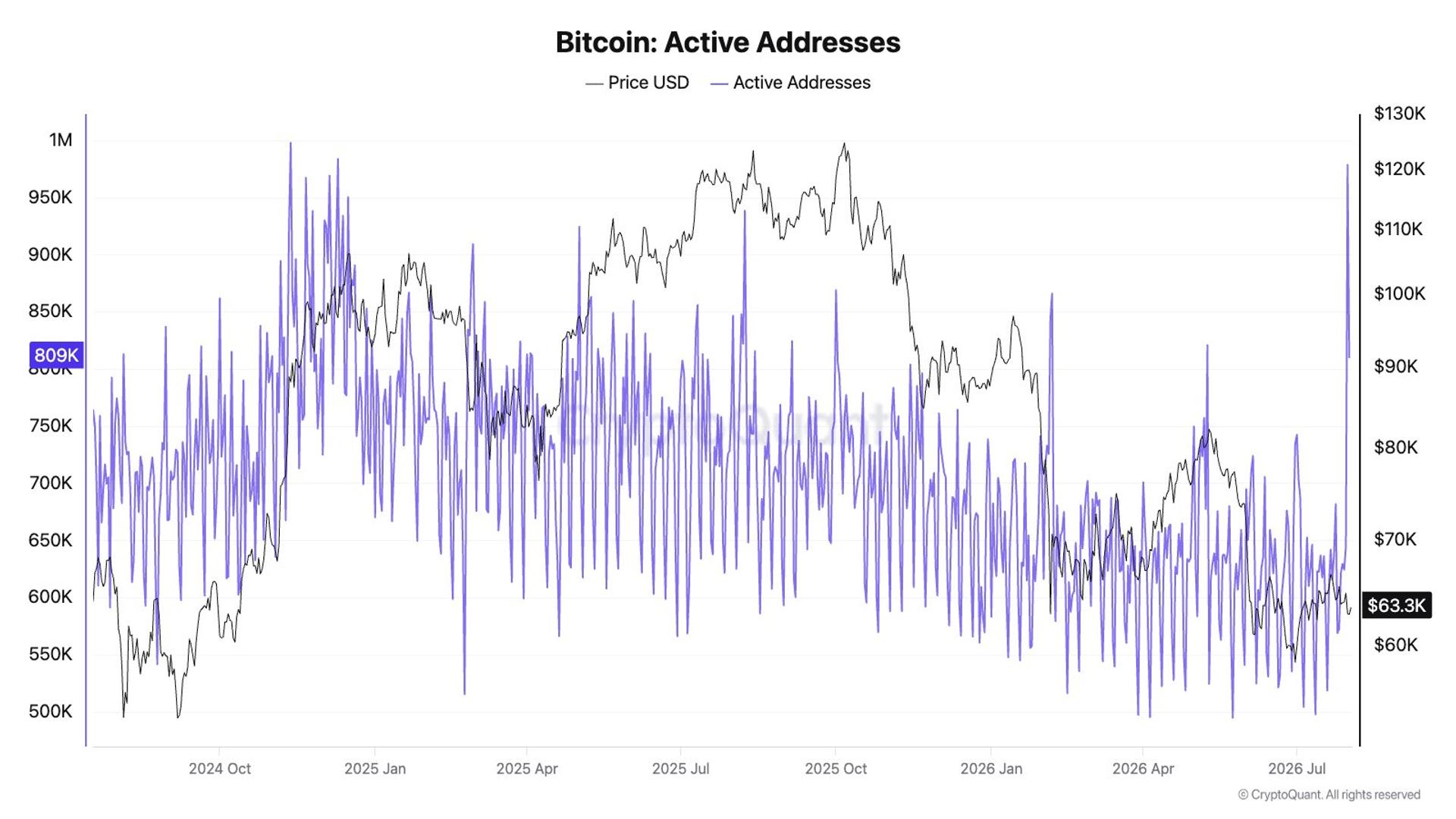
- Daily active Bitcoin addresses jumped from 645,000 on July 30 to nearly 1 million on July 31, the highest since December 10, 2024, with most of the growth driven by addresses sending coins to exchanges.
- Combined Bitcoin transfers under 1 BTC hit 39,600 BTC on Friday — nearly matching the 39,900 BTC moved on November 16, 2022, the day after FTX filed for bankruptcy.
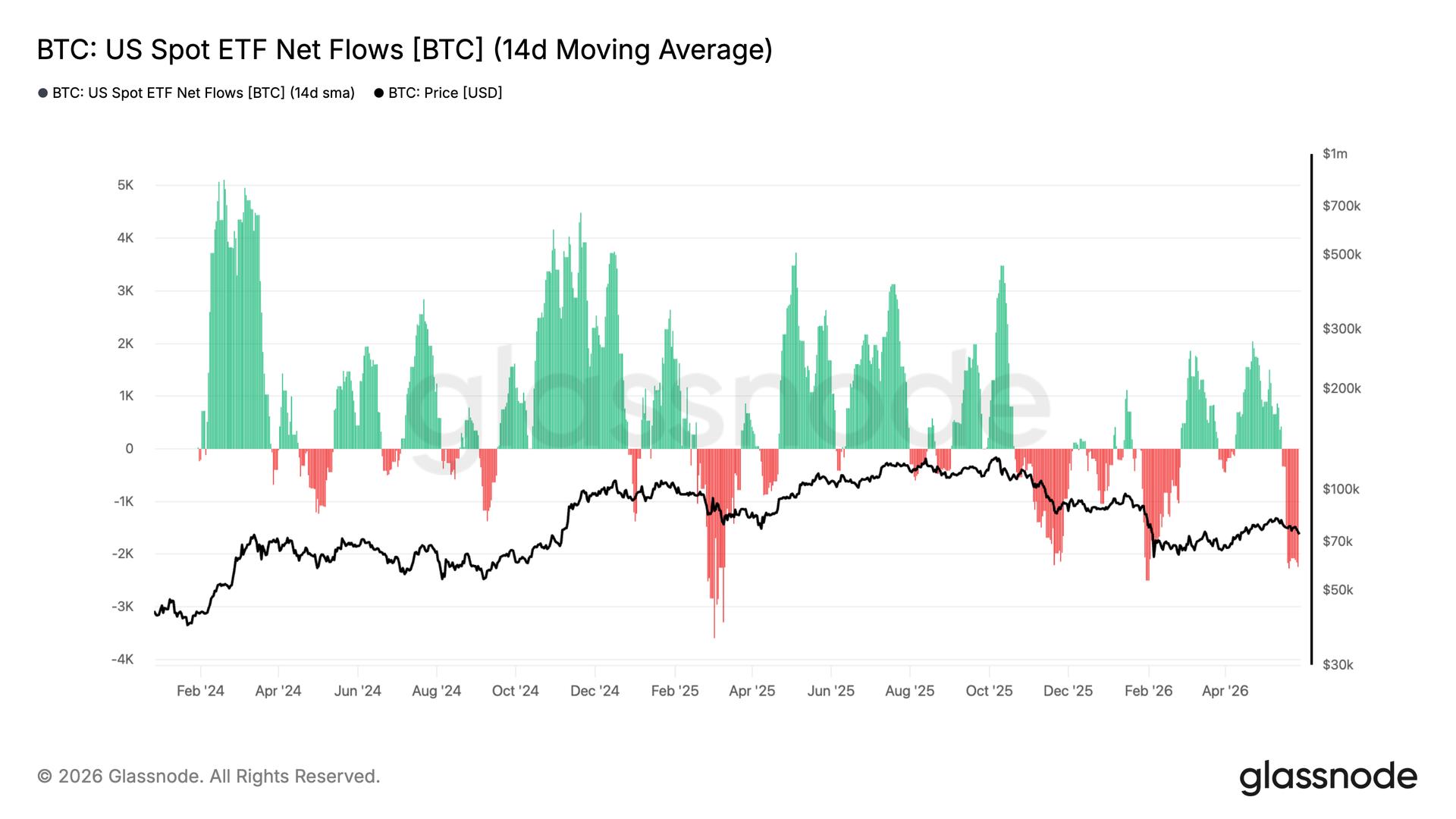
- Net inflows to major exchanges totaled 11,163 BTC on July 31, flowing mainly into Binance, River, Kraken, and OKX, while total BTC held in exchange wallets rose from 2.703837 million to 2.715 million.
- Binance founder CZ publicly questioned the safety of hardware wallets and self-custody in the wake of the incident.
- The on-chain flow pattern reverses the post-FTX trend of late 2022, when investors withdrew coins from exchanges into self-custody over fears of exchange insolvency and withdrawal freezes.
Why it matters: An attack isolated to a single hardware-wallet vendor has nonetheless pushed smaller Bitcoin holders — typically the strongest self-custody advocates — back onto centralized platforms, inverting the defining post-FTX trust shift. The 7,300 BTC single-day deposit spike to Binance, Kraken, OKX and River signals acute risk perception across retail, even as most hardware wallets remain uncompromised.