Houthis Block Red Sea, Asia Faces Second Energy Crisis

Get the Energy newsletter
Daily energy & climate — solar, EVs, oil, the policy fights and tech bets shaping the transition. Free.
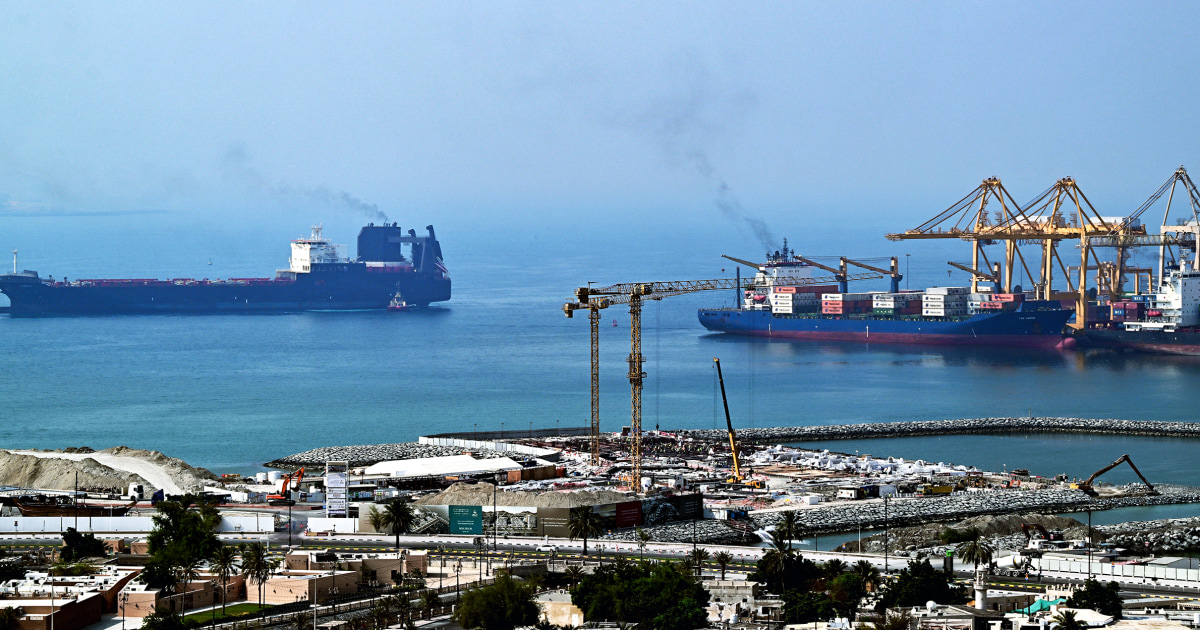
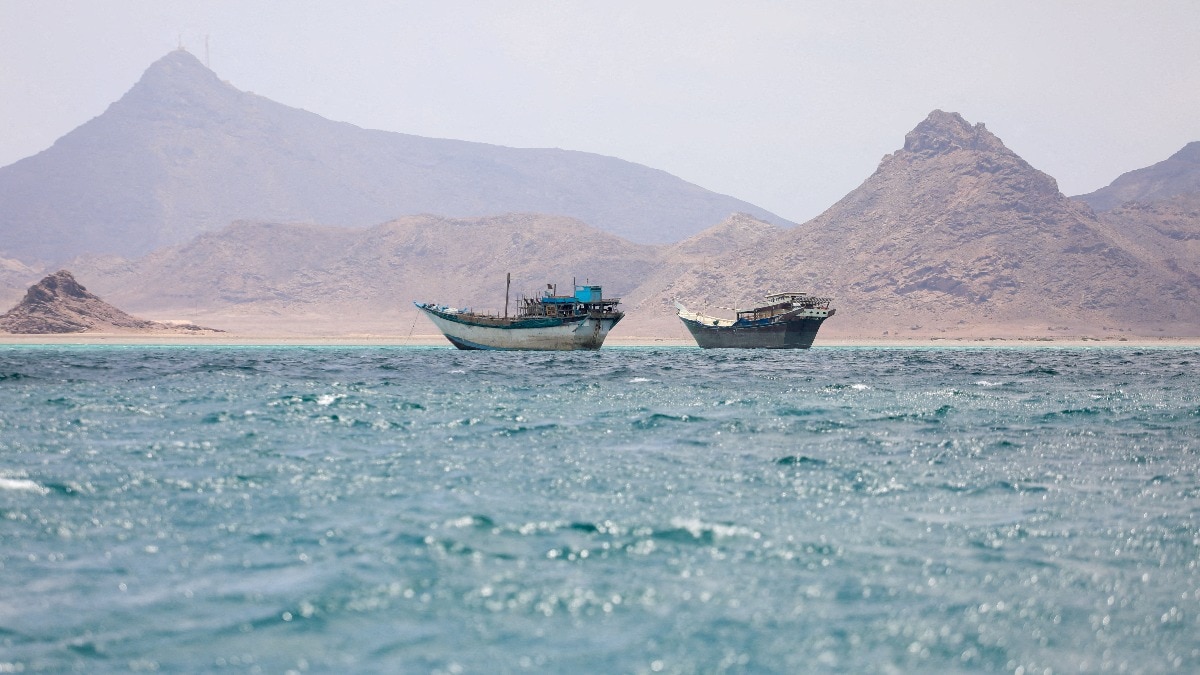
- Yemen's Houthis launched a blockade of Saudi shipping through the Bab al-Mandab strait at the Red Sea's southern entrance, targeting at least two Saudi oil tankers exiting the Red Sea last week and attacking Saudi oil infrastructure this week, with transits through the strait falling to their lowest level in months.
- Japan, the Philippines, Thailand and South Korea rely on Middle East oil for up to 90% of their imports and are still reeling from Iran's effective closure of the Strait of Hormuz in March, with Asia's expert Ahmed Helal saying the region is 'scraping at the bottom of the barrel' of global reserve capacity.
- Saudi Arabia rerouted its oil exports from Gulf ports to the Red Sea port of Yanbu after the Hormuz closure, with Yanbu now handling more than 70% of Riyadh's crude oil exports — a lifeline now itself under Houthi threat.
- Asian refiners seeking to reroute cargoes north face severe logistical costs: VLCCs are too large to pass through the Suez Canal fully loaded, forcing them to unload up to half their oil for transport via Egypt's Sumed pipeline to the Mediterranean, while rerouting via the Cape of Good Hope would more than double voyage time.
- War risk premiums paid by tankers reportedly doubled in the last week, potentially adding hundreds of thousands of dollars to the cost of a single voyage, costs analysts say will inevitably be passed on to consumers across Asia.
- China, Japan and South Korea have begun buying Russian oil for the first time since Moscow's 2022 invasion of Ukraine, with Reuters reporting a Chinese refiner ramping up purchases of sanctioned Russian crude to counter the latest Middle East disruptions.
- Sri Lanka imposed a four-day working week and Vietnam urged staff to work from home during the March Hormuz crisis, while coal-fired power plants blazed back into use across the region — measures that may need to be repeated as resources and patience run low.
Why it matters: With the Strait of Hormuz already effectively closed by Iran and the Houthis now choking the only viable alternative route, governments in Japan, South Korea, the Philippines and Thailand have lost access to backup supply corridors at the precise moment war risk premiums double and global reserves are nearly depleted, forcing them to turn to sanctioned Russian crude they previously refused. Consumers across Asia will absorb hundreds of thousands of dollars in added costs per tanker voyage, accelerating inflation that is already straining government budgets in Japan and Indonesia.