Most Gaza Aid Trucks Never Reach Distribution Centers

Get the Geopolitics newsletter
Daily geopolitics — wars, elections, sanctions, the diplomatic moves that move markets. Free.
- Euro-Med Human Rights Monitor reports that of the roughly 1,200 vehicles that once served Gaza's transportation and aid needs, only a small number remain operational, with at least 150 damaged or destroyed.
- Mechanics and drivers in Gaza say chronic shortages of tyres, oil, and engines force them to cannibalize dead trucks for parts, and quote one driver saying: "With these hands, I save one truck and let it go so that another can come and take its place."
- Aid entering Gaza via the Rafah crossing must then traverse either Salah al-Din Street or the Philadelphi Corridor to reach al-Rashid Street and distribution centers, with each leg vulnerable to the Strip's devastation.
- Palestinian aid driver Ahmed Isleem was killed by Israeli forces while attempting to deliver assistance; drivers routinely face danger from Israeli forces and Israeli-backed militias along delivery routes.
- The critical bottleneck for aid delivery is not how many trucks cross into Gaza but how many can actually reach distribution centers, limited by damaged roads, fuel and parts shortages, traffic, and driver health and morale.
- Broken-down trucks strand their own cargo — if one vehicle fails, its load becomes inaccessible, and remaining trucks, already strained by reduced fleet size, must carry less or stop entirely.
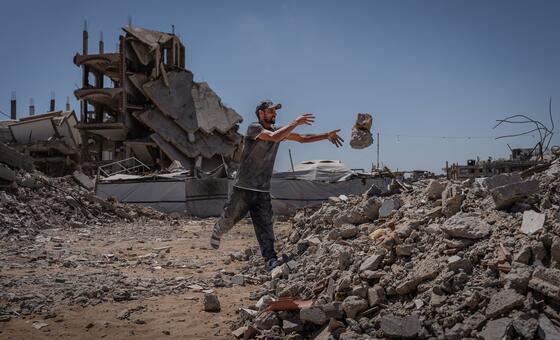
Why it matters: Public focus on the number of trucks entering Gaza obscures the real crisis inside the Strip: with at least 150 vehicles destroyed, spare parts scarce, and roads in ruins, deliveries routinely stall before reaching distribution centers — leaving civilians waiting for food, medicine, and fuel that sit stranded in transit.
Ask SkimNews