Washington is subsidizing Israel's booming global arms trade — SkimNews
Get the Geopolitics newsletter
Daily geopolitics — wars, elections, sanctions, the diplomatic moves that move markets. Free.
- Israel's arms exports hit a record $19.2 billion in 2025, up from $14.8 billion in 2024, making it the world's seventh-largest arms exporter between 2021 and 2025 and surpassing the United Kingdom, per SIPRI data published in March.
- Israel's defense startup ecosystem nearly doubled from 160 firms in July 2024 to 312 by April 2025, and 75-80% of its weapons production now goes to exports, with experts arguing the long-tail nature of arms contracts locks buyers into relationships that discourage accountability for Israel's military actions.
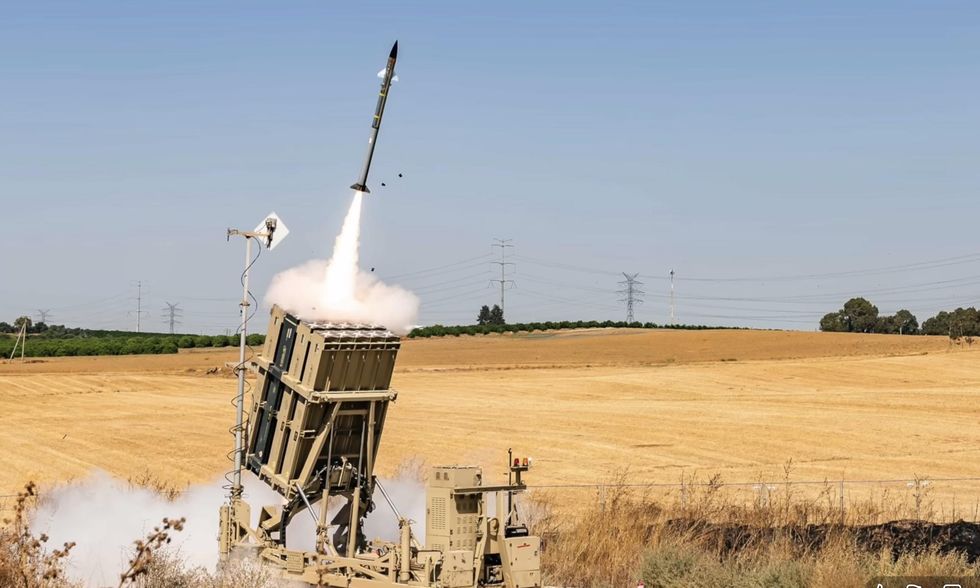
- Germany signed multi-billion euro deals for the U.S.-co-developed Arrow-3 missile defense system, while Greece spent $740 million on 36 PULS rocket artillery systems in December and Romania signed a $2.3 billion deal for Spyder air defenses plus an Iron Dome variant — all despite EU-level disquiet over Israel's campaigns in Gaza and Lebanon.
- U.S. Foreign Military Financing and Off-Shore Procurement (OSP) — which lets Israel spend American funds on its own weapons — have subsidized the industry, with OSP set to phase out by 2028; former State Department official Josh Paul called Israeli use of U.S. intellectual property "larcenous."
- Section 219 of the FY 2027 National Defense Authorization Act, endorsed by Netanyahu as his "personal plan," would integrate Israeli defense companies into U.S. military supply chains, a shift Paul said positions Israel to become "a supplier to the U.S. military."
- Exports to Abraham Accords nations jumped fivefold between 2023 and 2025, while U.K. arms-related imports from Israel rose roughly 1,500% — from $508,343 in 2020 to nearly $7.97 million in 2025 — as DAWN's Omar Shakir said Israeli firms have "parlay[ed] the use of their products in Gaza to attract more business."
Why it matters: By bankrolling Israel's defense industry through Foreign Military Financing and co-developing systems like Arrow-3, Washington has helped create a customer base whose own air defenses now depend on Israeli hardware — giving Israel leverage over whether those countries punish its Gaza and Lebanon campaigns. Section 219 of the FY2027 NDAA would deepen the arrangement by embedding Israeli firms in U.S. supply chains.
Ask SkimNews