Airline Stocks Soar On Iran Ceasefire As IATA Sees "Positive" Tailwinds, But Warns Jet Fuel Crisis Will Persist
Why it matters: Delta Air Lines expects to incur over $2 billion in fuel costs through June, impacting future ticket prices for consumers.
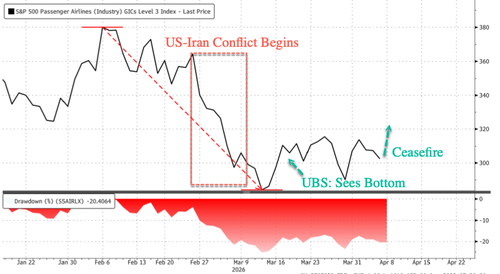
- Airline stocks like United Airlines (up 11.5%), Delta Air Lines (up 11%), and Southwest Airlines (up 10%) are flying high in premarket trading following the Iran ceasefire, per the main story.
- IATA Director General Willie Walsh told Bloomberg Television that even a two-week ceasefire is positive for oil flow but cautioned that jet fuel prices will remain high, making higher ticket prices "inevitable."
- Multiple sources including NYT Business, Japan Times, and Financial Times confirm a broader market reaction, with oil prices plunging, global stocks soaring (Japan's Nikkei up 5%), and the yen strengthening 1% due to the ceasefire.
- Delta Air Lines anticipates over $2 billion in fuel costs through June but has not yet changed its full-year profit forecast due to the murky outlook.
- Malaysia Airlines' Nasaruddin Bakar and Thai Airways CEO Chai Eamsiri both agree that even with the ceasefire, it will take "many, many more months" for prices to stabilize and for destroyed infrastructure to be rebuilt, per the main story.
- JPMorgan outlined "demand destruction" and the spread of the energy shock, while Melius analyst Conor Cunningham noted the Iran conflict "flipped the airline industry on its head" as fuel costs doubled amid improved demand.
- Decrypt highlights that Bitcoin also surged overnight, with a new 'AfterDark' ETF potentially catching the move, indicating a broader investor reaction beyond traditional markets.
Airline stocks are soaring after a ceasefire between the U.S. and Iran, sparking a global 'relief rally' across markets, including a surge in Bitcoin and a plunge in oil prices. While the International Air Transport Association (IATA) sees "positive" tailwinds, it warns that jet fuel prices will remain elevated, leading to higher ticket costs and persistent supply shortage risks, especially in Asia.