'Animals', Hand of God and Beckham - Argentina and England's World Cup rivalry — SkimNews
Get the Sports newsletter
Daily sports — scores, transfers, the storylines from the leagues you actually follow. Free.
- Of the five World Cup meetings between England and Argentina since 1962, England leads 3-2 but has not won a decisive knockout tie since 1966 — a 60-year wait Thomas Tuchel's side is bidding to end in Atlanta on Wednesday.
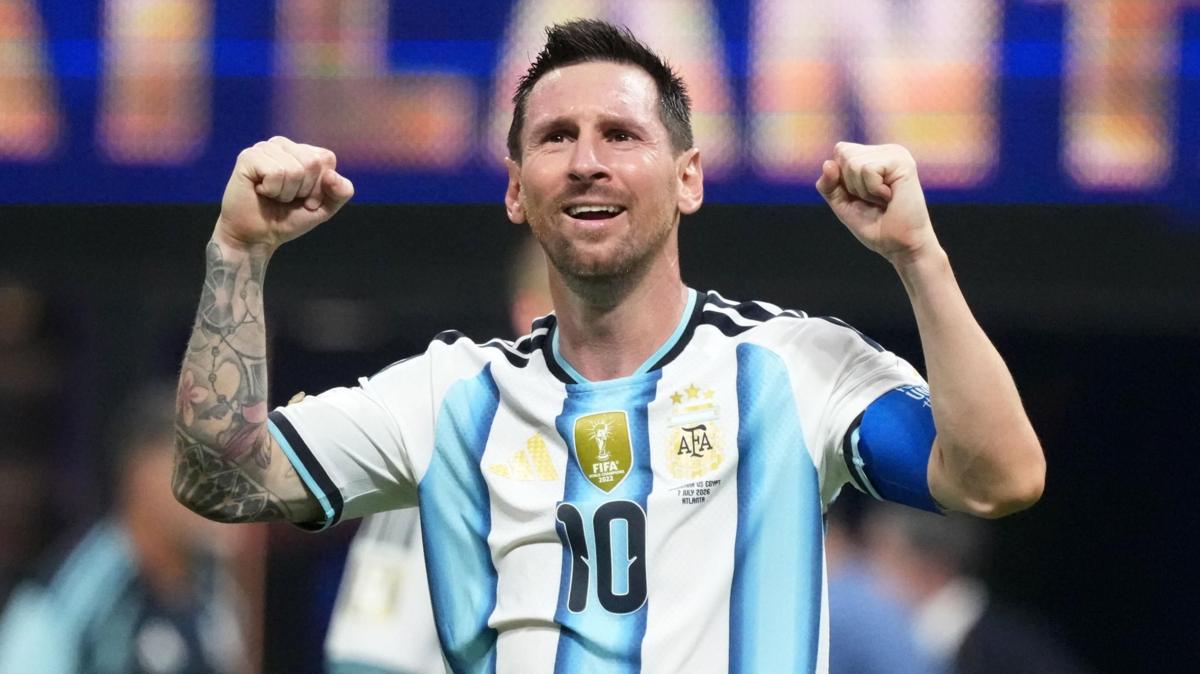
- Lionel Messi will play England for the first time in his career, with Argentina the defending world champions; BBC Sport frames the clash as one of the tournament's most politically loaded fixtures.
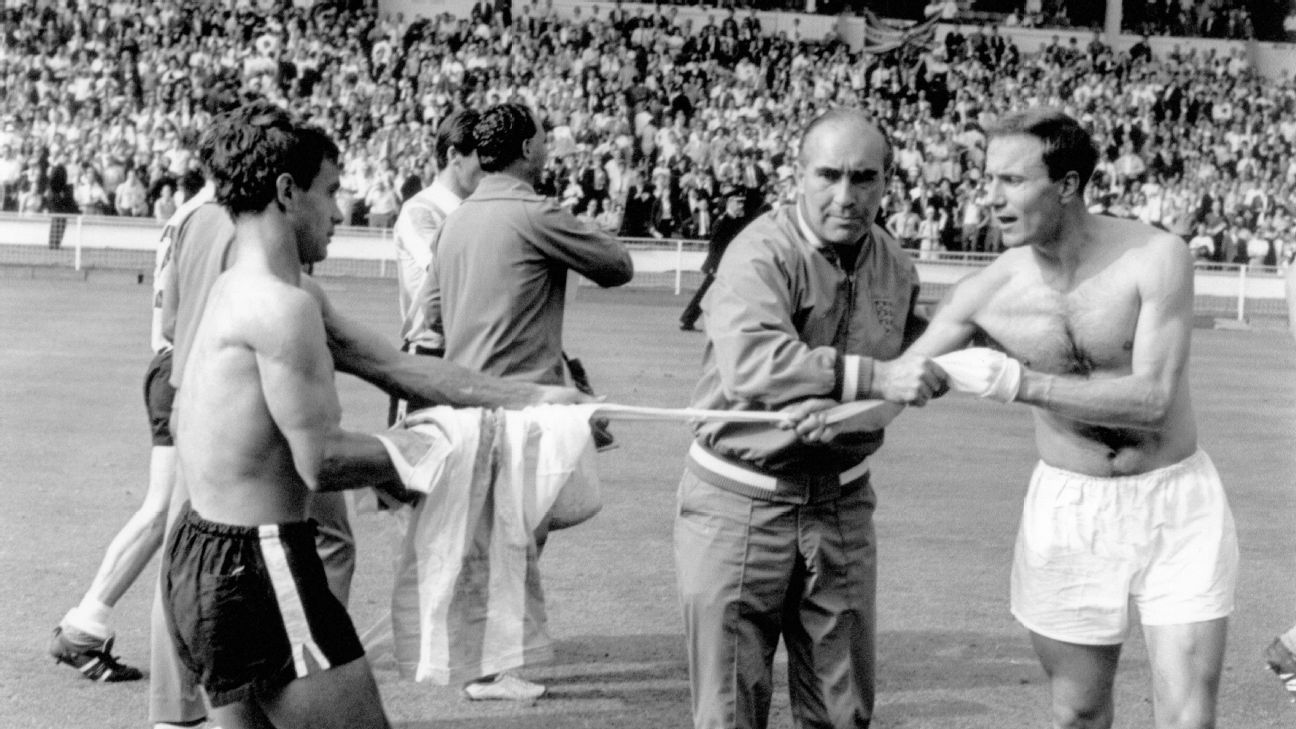
- Alf Ramsey branded Argentina "animals" after the violent 1966 Wembley quarter-final, where Argentina captain Antonio Rattin was sent off after 33 minutes and refused to leave the pitch for nearly eight minutes — a match credited with prompting the introduction of red and yellow cards at the 1970 World Cup.
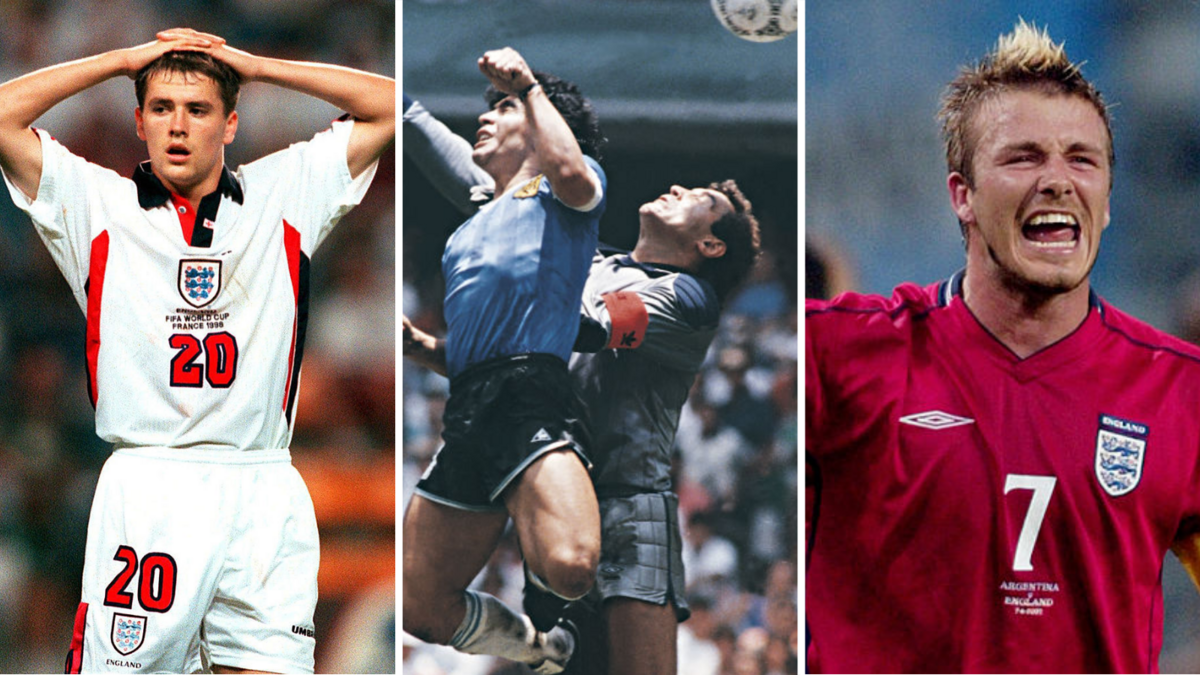
- The 1986 Mexico City quarter-final, played four years after the Falklands War, saw Diego Maradona score the "Hand of God" before netting what many consider the greatest World Cup goal of all time to eliminate England; Maradona did not apologise until 2005.
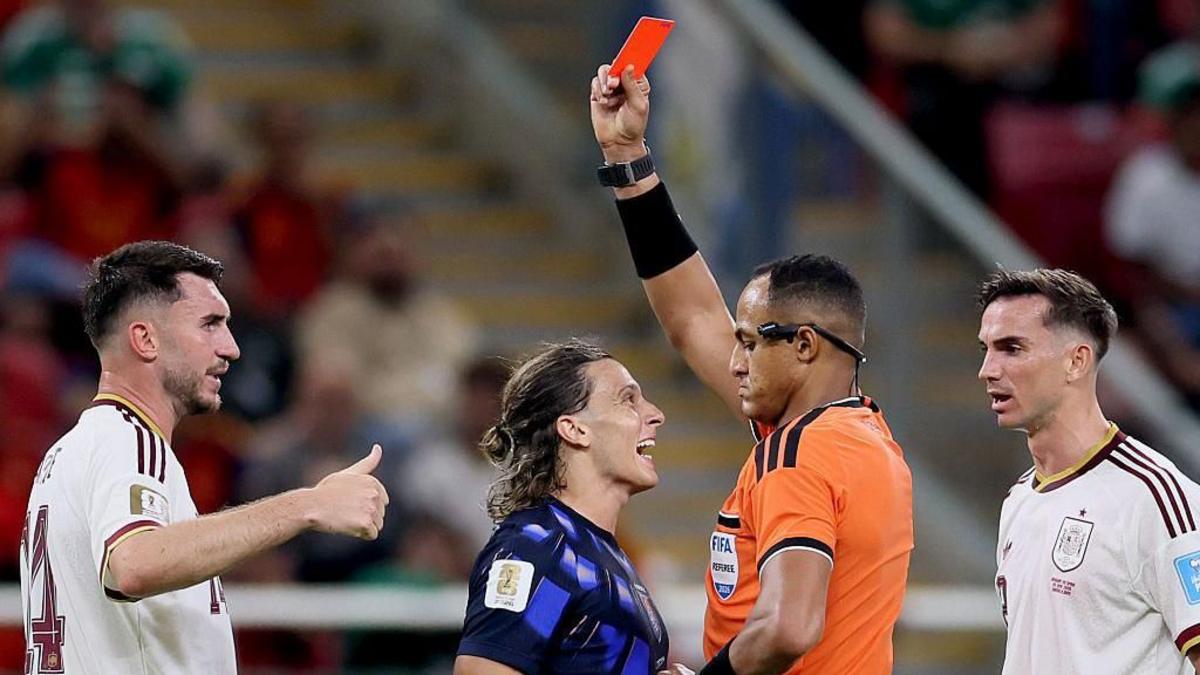
- David Beckham was sent off in the 1998 last-16 tie for kicking Diego Simeone; Argentina won 4-3 on penalties after Beckham and goalkeeper David Seamen's side held on with 10 men, with Simeone later admitting he "went down well" to influence the referee.
- Beckham scored from the spot in Sapporo in 2002 to seal England's 1-0 group-stage win, the penalty awarded after a foul by Mauricio Pochettino on Michael Owen — England's last World Cup victory over Argentina.
- Antonio Rattin, Argentina's 1966 captain who played at both the 1962 and 1966 World Cups, died at the age of 89 on Saturday, BBC Sport confirms.
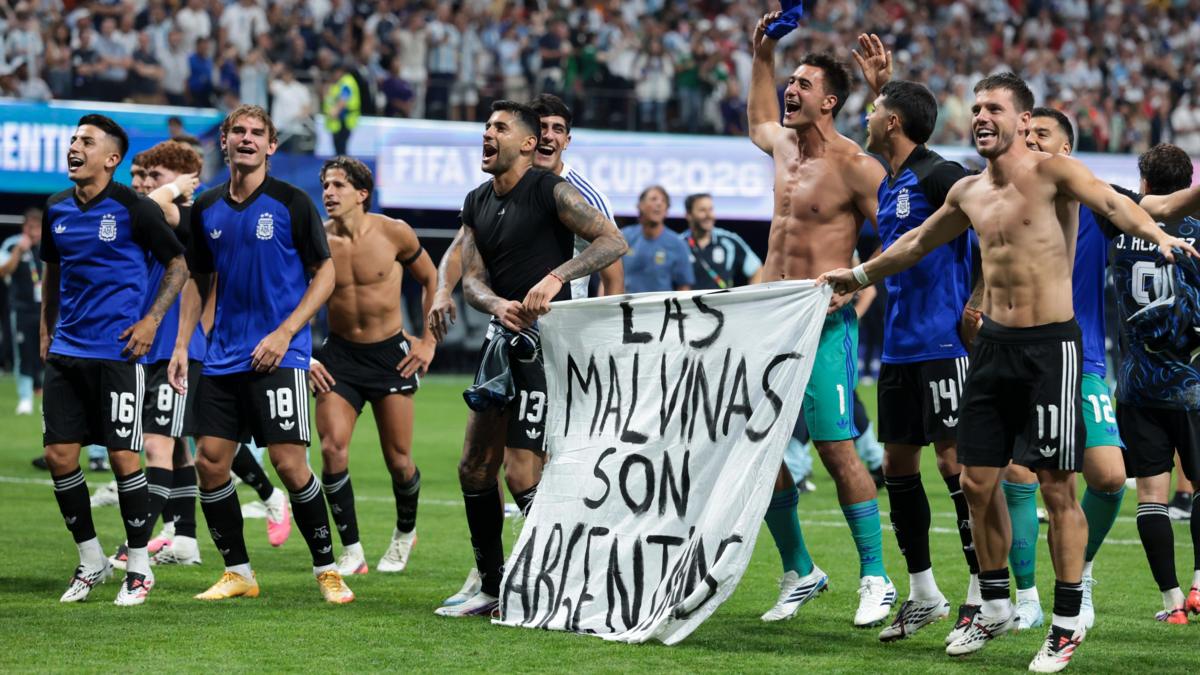
Why it matters: BBC Sport explicitly links the fixture to the **Falklands War**, noting that Argentine players and fans still reference the conflict in football songs — making this a political as well as sporting confrontation that runs deeper than any normal knockout match. For Messi, a World Cup meeting at 38 adds a personal milestone to a fixture where one moment can define a career, as Beckham's 1998 red card did for four painful years. Should England win, the piece stresses they would end 60 years of World Cup hurt in a tournament where they last reached the final in 1966.
Ask SkimNews