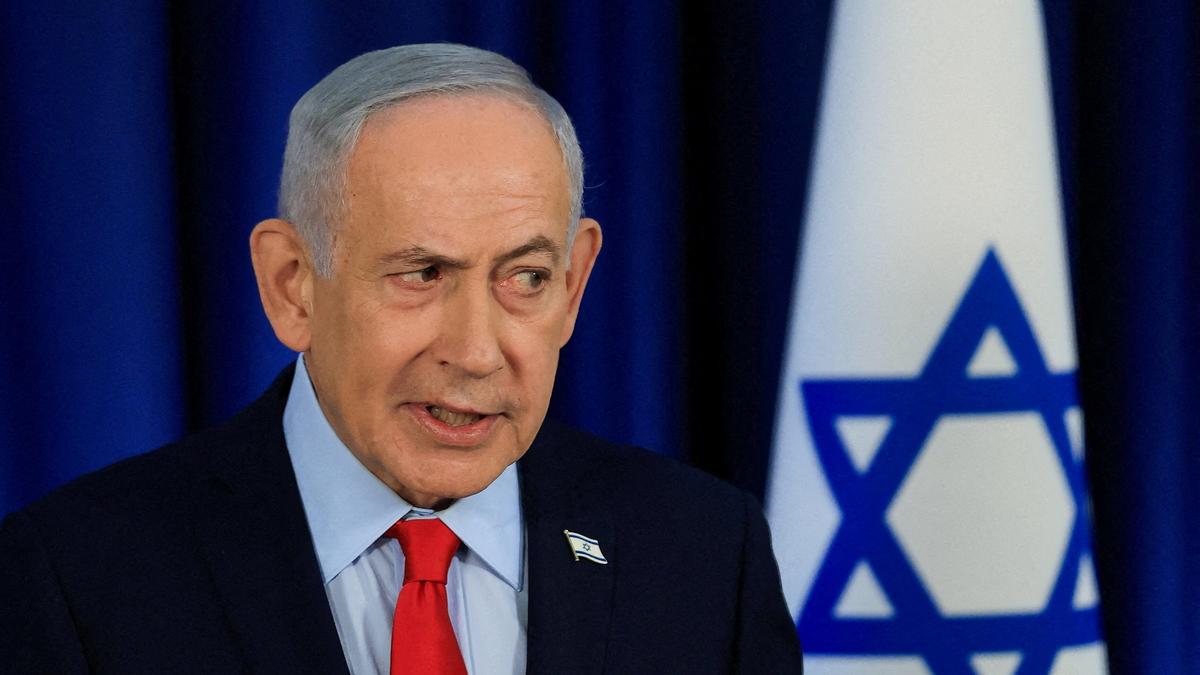
U.S., Iran agree to 11th-hour truce after Trump apocalyptic threats
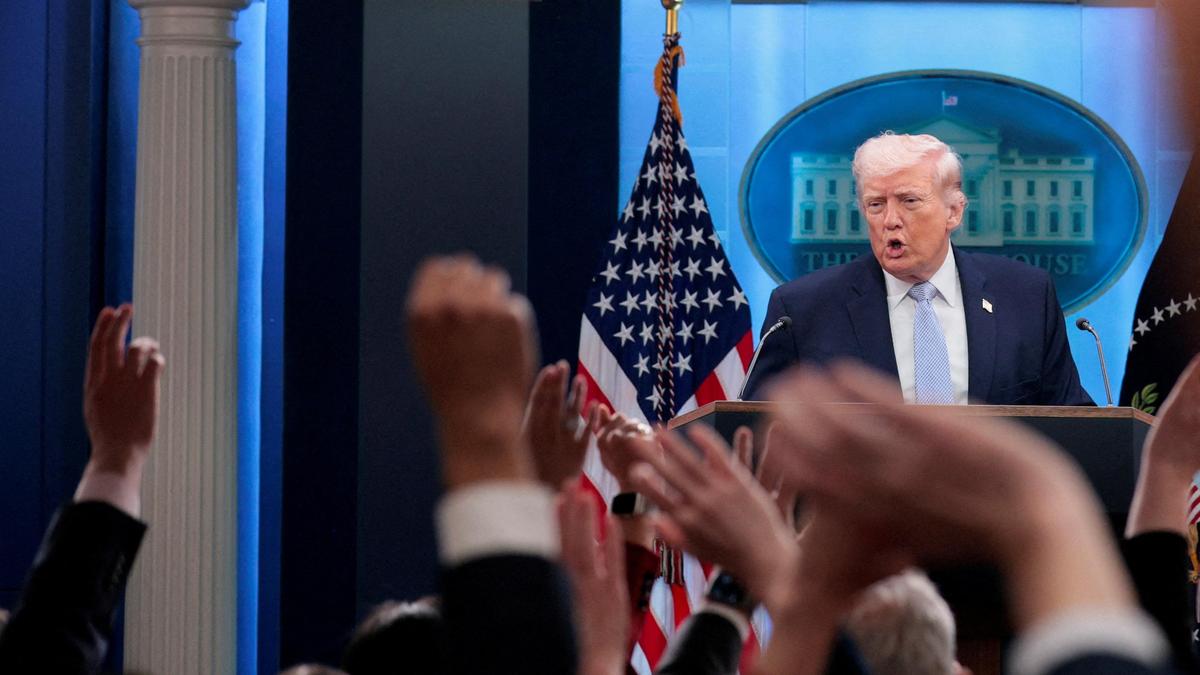
Why it matters: The ceasefire prevents Trump's threatened obliteration of Iran and reopens the Strait of Hormuz, impacting global oil prices.
- The United States and Iran agreed to a two-week ceasefire, with Iran temporarily reopening the vital Strait of Hormuz, a key gateway for one-fifth of the world's oil.
- President Trump confirmed the ceasefire on Truth Social, stating it was at Pakistan's request and contingent on the "COMPLETE, IMMEDIATE, and SAFE OPENING of the Strait of Hormuz."
- Iranian Foreign Minister Abbas Araghchi confirmed safe passage through the Strait and framed the ceasefire as a victory, agreeing to talks in Pakistan to end the conflict.
- Prime Minister Shehbaz Sharif of Pakistan announced the immediate start of the ceasefire, implying Israel had also agreed to halt its invasion of Lebanon, though Israel did not immediately react.
- Oil prices plunged by over 17% and stock prices soared in Asia following the ceasefire announcement, easing political pressure on Trump due to rising costs for Americans.
- Trump claimed progress on a long-term agreement with Iran, but Iran's publicly released 10-point plan includes maximalist positions like lifting U.S. sanctions and removing U.S. forces, contrasting with Trump's optimistic assessment.
The U.S. and Iran have agreed to a two-week ceasefire, brokered by Pakistan, just an hour before President Trump's deadline to obliterate Iran was set to expire. While Iran hails the truce as a victory and commits to reopening the Strait of Hormuz, significant disagreements remain on a long-term peace deal, with Iran's publicly released demands clashing with Trump's stated progress.