Japan Decouples From China as Takaichi Reshapes Policy

Get the Geopolitics newsletter
Daily geopolitics — wars, elections, sanctions, the diplomatic moves that move markets. Free.
- Takaichi Sanae made controversial remarks in late 2025 hinting at deploying Japan's Self-Defense Forces in a Taiwan crisis, prompting Beijing to apply maximum pressure in response.
- China controls nearly 90% of global rare-earth refining capacity and has imposed targeted export controls on Japanese defense firms and dual-use technology companies following Takaichi's electoral victory in early 2026.
- The arrest of Japanese company employees in mainland China on allegations of illegally exporting rare-earth magnets has unsettled Japanese businesses still heavily reliant on the Chinese market.
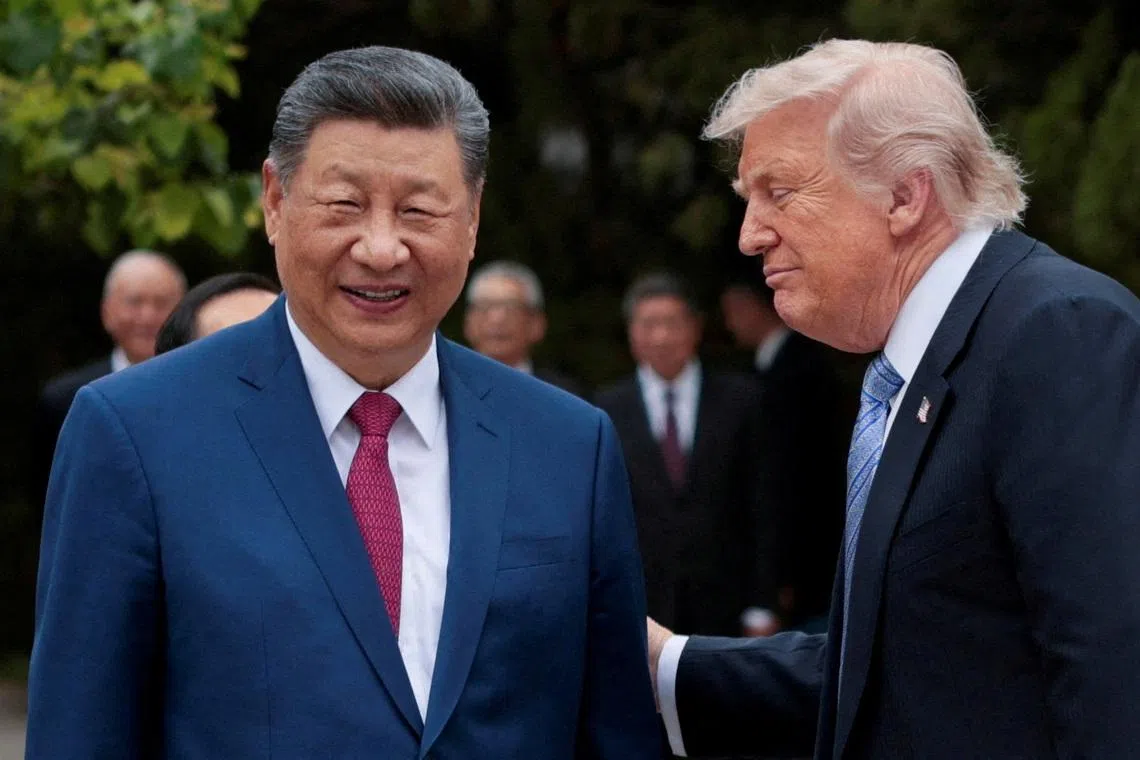
- A bilateral summit between Xi Jinping and Takaichi appears unlikely in the near future, with diplomatic relations between Tokyo and Beijing described as stagnant.
- The Liberal Democratic Party's aging 'China hands' — who viewed investment in Beijing partly as atonement for wartime wrongs — are exiting politics, replaced by hawkish conservatives like Takaichi and Ishiba Shigeru, both of whom visited Taiwan before becoming prime ministers.
- Abe Shinzo declared in a 2015 official statement that future generations 'bear no responsibility for that war' and should not be obligated 'to continue apologizing indefinitely,' a position Takaichi echoed back in 1994 when she rejected PM Murayama Tomiichi's apology as one offered 'on my behalf without my consent.'
Why it matters: Japan historically led international engagement with China at the 1989 G7 summit, but Takaichi's Taiwan-linked remarks and Beijing's rare-earth export controls — affecting sectors where China holds 90% of global refining capacity — mark a decisive turn toward economic security. With LDP generational change accelerating the shift, Japan's Indo-Pacific strategy now prioritizes supply-chain resilience with like-minded nations over maintaining costly Beijing ties.