Suu Kyi Moved to House Arrest in Myanmar Junta's ASEAN Play
SkimNews Take
The junta's reclassification of Suu Kyi's detention allows it to appear responsive to international pressure without conceding any actual power or altering the conflict's dynamics.
Get the Geopolitics newsletter
Daily geopolitics — wars, elections, sanctions, the diplomatic moves that move markets. Free.
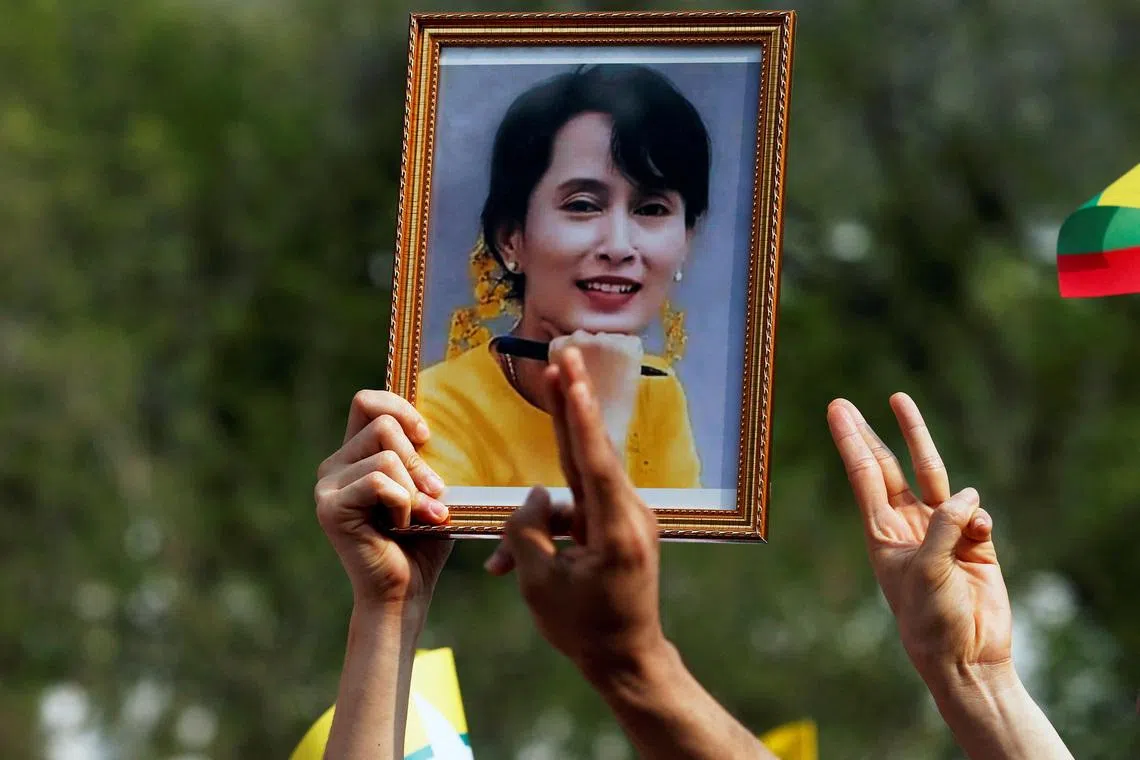
- Aung San Suu Kyi was transferred to house arrest after over five years in detention following the February 2021 coup, with Myanmar's state media reporting the move shortly after a military amnesty of 1,519 prisoners on April 30 tied to a Buddhist holiday.
- Min Aung Hlaing's junta used December-January elections — barred to Suu Kyi's NLD and dismissed by Western governments and rights groups as neither free nor fair — to recast the military leader as president of a new quasi-civilian administration.
- Analysts including ISEAS's Moe Thuzar and Palacky University's Kristina Kironska say the transfer is diplomatic signaling toward ASEAN, timed before this year's summit in the Philippines, as Thailand pushes the bloc to reverse its 2021 partial suspension of Myanmar.
- The United Nations called the move a "meaningful step" toward a credible political process, while the EU extended sanctions on military-linked businesses and individuals for another 12 months and reiterated demands for Suu Kyi's full and unconditional release.
- Unconfirmed reports say China's Foreign Minister Wang Yi visited Myanmar on April 25 and may have met with Suu Kyi; analysts note Beijing has "significant leverage" over the regime and may want stabilization to protect trade routes, border security, and major infrastructure projects.
- Myanmar's Ministry of Information has hired Trump ally Roger Stone to lobby in Washington, even as rumors circulate that the US is exploring access to Myanmar's rare earth minerals, potentially involving a deal with the regime.
- The conflict has killed nearly 8,000 people and displaced around 3.6 million since 2021, and analysts note the pro-democracy movement has largely moved past Suu Kyi — focusing instead on federalism, ethnic minority rights, and dismantling the military's political dominance.
Why it matters: The junta still has several years left on Suu Kyi's sentence and her NLD remains outlawed, meaning the transfer is cosmetic — but it functions as a bargaining chip for re-engagement with ASEAN and, per analysts, aligns with Beijing's interest in stabilizing Myanmar for trade routes and infrastructure. With the US reportedly seeking rare earth access and Myanmar hiring Roger Stone as a Washington lobbyist, the move is also a doorway for Western normalization of a regime responsible for nearly 8,000 deaths since 2021.