Ukraine Closes Sea of Azov to Russian Shipping — SkimNews

Get the Geopolitics newsletter
Daily geopolitics — wars, elections, sanctions, the diplomatic moves that move markets. Free.
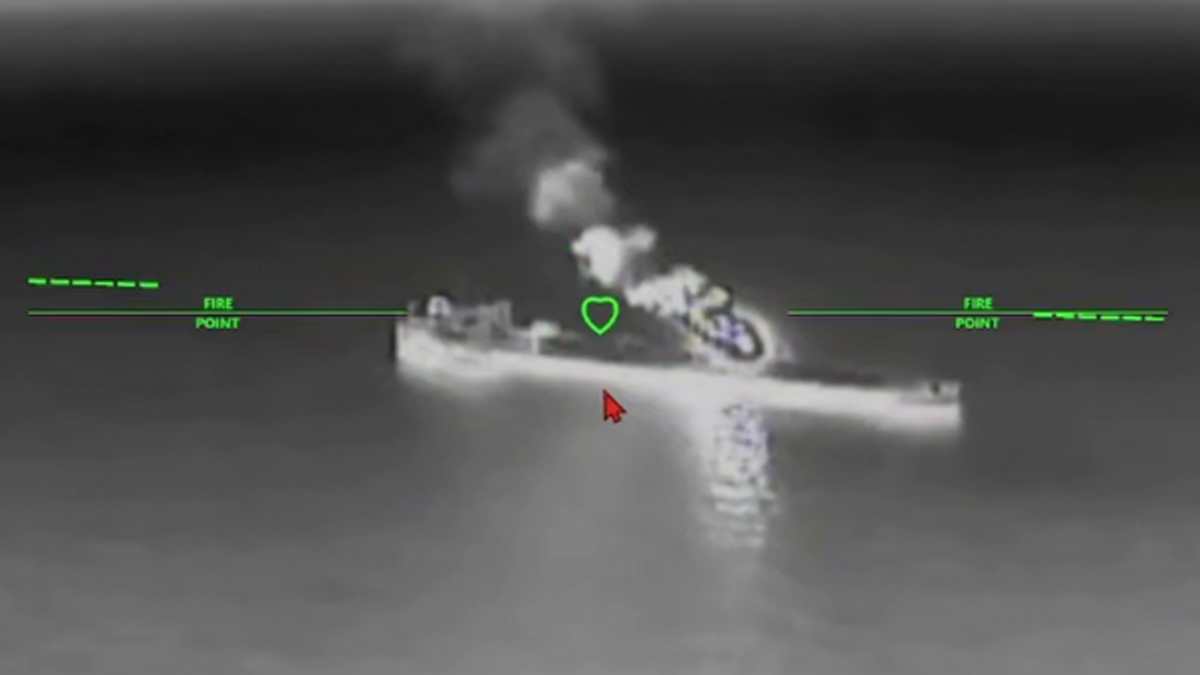
- Ukraine's military accelerated a campaign to strike Russian-controlled shipping in the Sea of Azov using air and sea drones, claiming 28 vessels attacked through July 11, per the Ukrainian General Staff and Unmanned Systems Forces Commander Robert "Magyar" Brovdi.
- Targets included 21 oil tankers, four tugboats, two cargo vessels, and one specialized dredging vessel—and on July 10, Russia responded by forbidding any new traffic through the Kerch Strait connecting the Sea of Azov to the Black Sea.
- The Sea of Azov carries up to a quarter of all Russian-controlled grain shipments and significant oil exports, making the body of water a critical chokepoint now functionally closed by Ukraine's attacks, which the piece calls "kinetic sanctions."
- Trump verbally offered Ukraine a license to manufacture Patriot interceptors, but the most optimistic Ukrainian forecast puts production a year away, while Ukraine admitted on July 6 it had none or almost no Patriot interceptors remaining.
- Russia's monthly ballistic missile launches have roughly tripled year-over-year—from ~28 to 70+—and Ukraine intercepted only 40% of ballistic missiles in June compared to 89% of all aerial threats overall.
- At least 60 people have died in Kyiv and its region from Russian ballistic missile strikes since the start of July, with three attacks hitting Kyiv in six days.
Why it matters: Ukraine's success in the Sea of Azov strangles Russian supply lines to Crimea and cuts into Russian grain and oil export revenue at a time when the economy is strained. But the Patriot interceptor shortage means Russia can inflict devastating damage on Ukrainian cities for at least a year—time Trump has effectively gifted Putin by announcing a manufacturing license that won't produce interceptors until far too late.
Ask SkimNews