US stocks today: Dow Jones surges 1,300 points, S&P, Nasdaq 2% on U.S.-Iran ceasefire
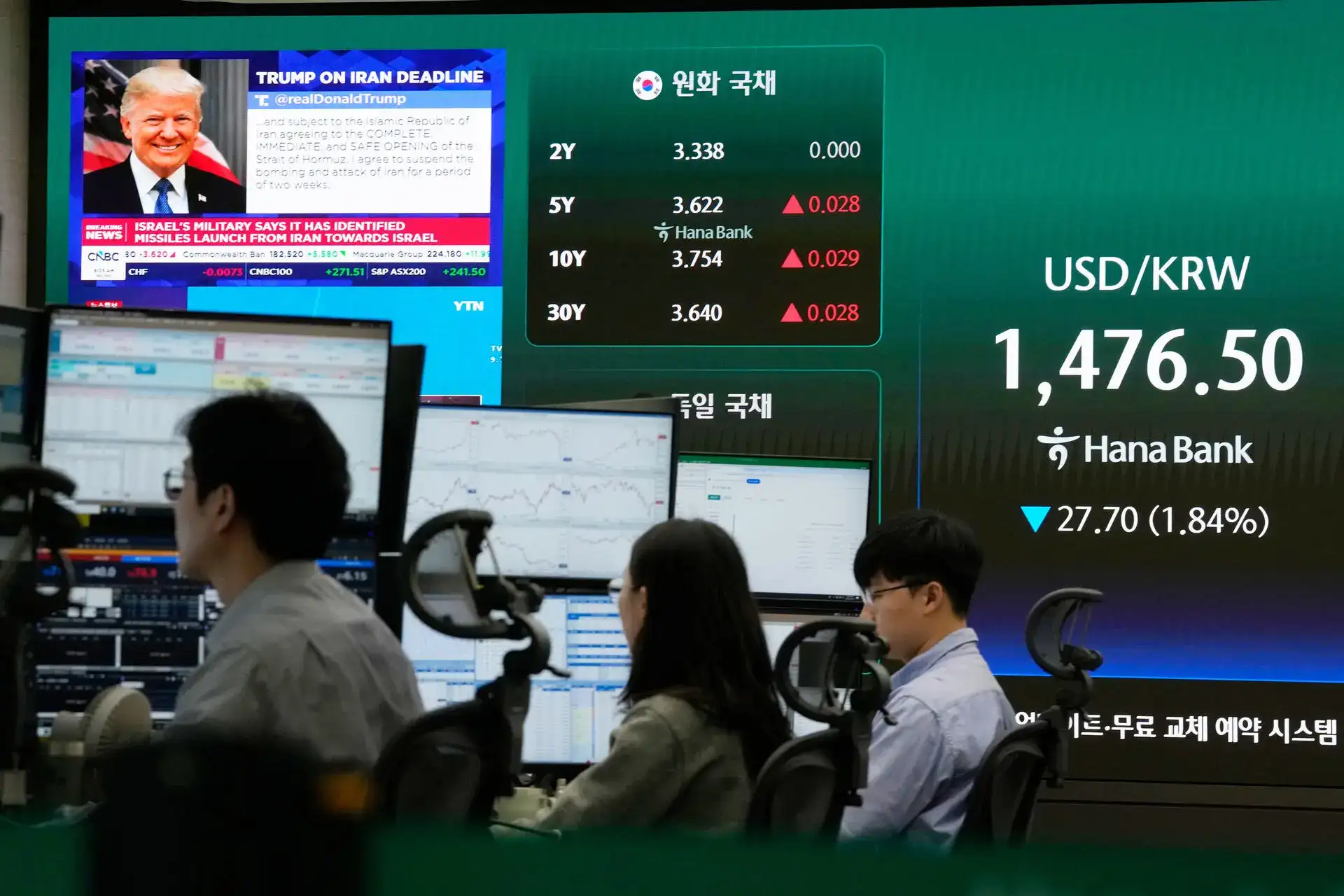
Why it matters: The potential reopening of the Strait of Hormuz could stabilize global oil supply, impacting one-fifth of the world's oil shipments.
- Dow Jones Industrial Average rose 1,329.56 points, or 2.85%, to 47,914.02, while the S&P 500 gained 2.52% and the Nasdaq Composite advanced 2.82%, reflecting investor relief over potential de-escalation.
- A senior Iranian official told Reuters that the Strait of Hormuz, vital for one-fifth of the world's oil, could reopen by Thursday or Friday if a ceasefire framework is agreed upon.
- Mike Dickson of Horizon Investments noted the market's relief, stating the situation 'could have been a lot worse,' leading to a rally in 'hardest-hit areas.'
- WTI and Brent crude futures plummeted 16.4% and 13.3% respectively, settling below $100 per barrel, as the immediate threat of an energy shock diminished.
- European shares rose 3.9%, and MSCI's World index was up over 3%, both marking their biggest one-day percentage gains in a year, with Ross Mayfield of Baird highlighting international stocks' greater exposure to energy and food shocks.
- The CBOE Market Volatility index dipped to its lowest level since the war began, indicating a significant reduction in investor anxiety.
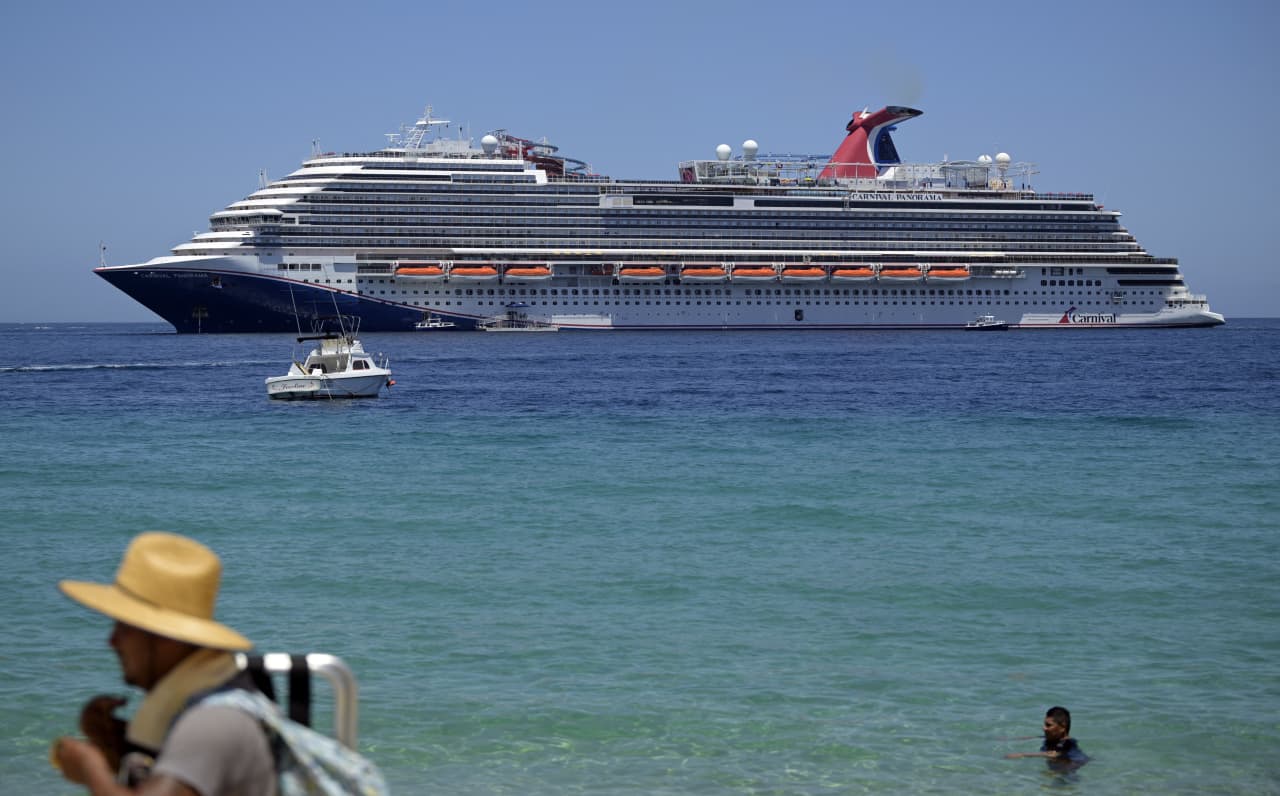
- Sectors like commercial airlines (Delta Air Lines, Southwest Airlines, United Airlines), travel and leisure (Carnival, Norwegian Cruise Line), and homebuilders saw robust bouncebacks, despite Delta's cautious second-quarter profit forecast.
- Levi Strauss jumped after raising its annual sales and profit forecasts, demonstrating broader economic optimism.
U.S. stocks surged, with the Dow Jones jumping 1,300 points, the S&P 500 up 2.52%, and the Nasdaq Composite gaining 2.82%, following news from a senior Iranian official that the crucial Strait of Hormuz could reopen as early as Thursday or Friday ahead of peace talks. This potential ceasefire spurred a broad relief rally across global markets, driving down oil prices significantly and boosting economically sensitive sectors like airlines and travel, which had been hit hard by war-related uncertainties.