China turns to electric taxis to soften Hormuz oil shock — SkimNews
Get the Energy newsletter
Daily energy & climate — solar, EVs, oil, the policy fights and tech bets shaping the transition. Free.
- China's taxi and ride-share trips hit 3.05 billion in May, up 6% versus March–May 2025, as the Iran war pushed petrol prices higher since late February.
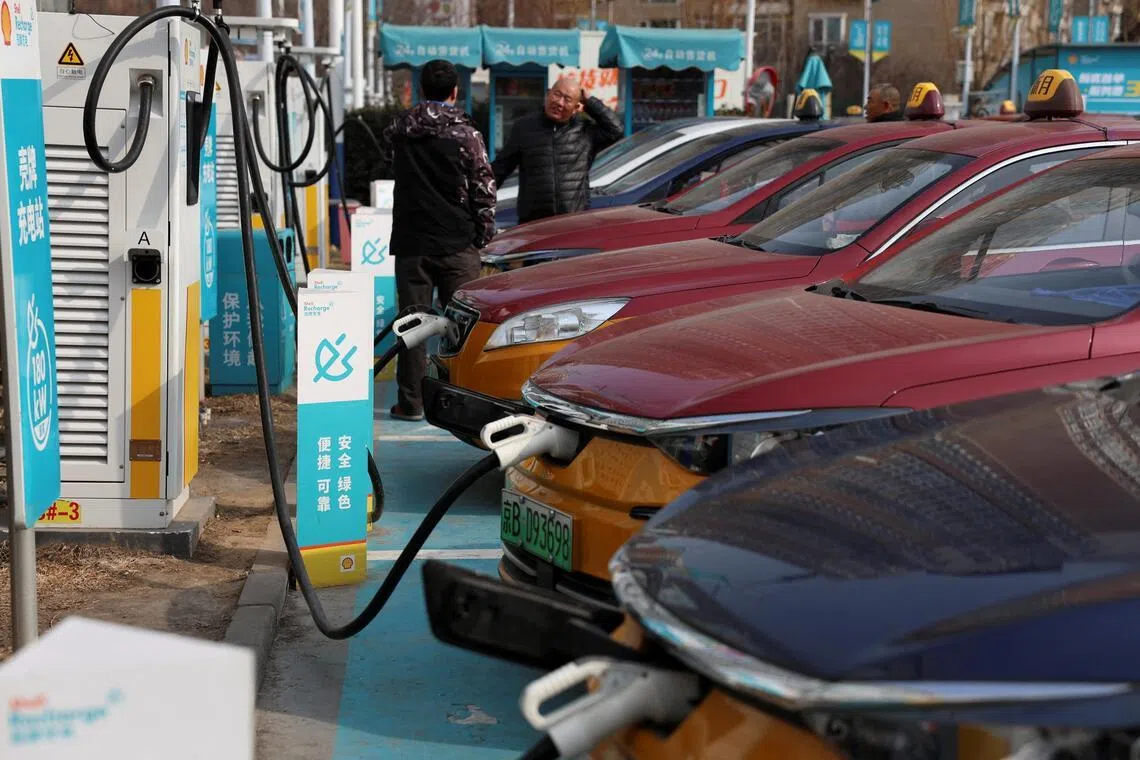
- About half of China's 1.3 million taxis are electric — nearly 100% in major cities — and the country burned 10% less petrol and 14% less diesel in May 2026 than May 2025 despite record May Day road travel.
- China's oil imports fell 41% in June year-on-year without major reserve drawdowns, freeing up cargoes in a war-constrained global market and helping keep a lid on international prices.
- Didi registered 2 million more hybrid or electric cars in 2025, bringing its non-fossil-fuel fleet to 8 million vehicles, with EVs covering 75% of total mileage on the platform.
- Fares have dropped 10–15% as a flood of new drivers in a sluggish economy pair cheap EVs with ride-hailing, prompting petrol-car owners like Yang, 45, to take taxis instead to avoid parking and fuel costs.
- J.P. Morgan analyst Natasha Kaneva said the conflict "may have accelerated behavioural changes that were already under way," projecting a 150,000 bpd petrol-demand drop in 2026 and a smaller 50,000 bpd decline in 2027.
- Greenpeace forecasts that 90% of Chinese taxi and ride-share mileage will be electric by 2035, while the Institute for Transportation & Development Policy notes overall travel demand keeps rising via public transport.
Why it matters: China's 41% drop in oil imports effectively turned it into a swing supplier of displaced crude for the war-constrained global market, easing the squeeze from the Strait of Hormuz closure. The structural shift is being underwritten domestically by gig-economy pressure: fares are down 10–15% as new drivers flood ride-hailing in a sluggish labor market.
Ask SkimNews