UAE says the use of Hormuz must be guaranteed in any US-Iran deal
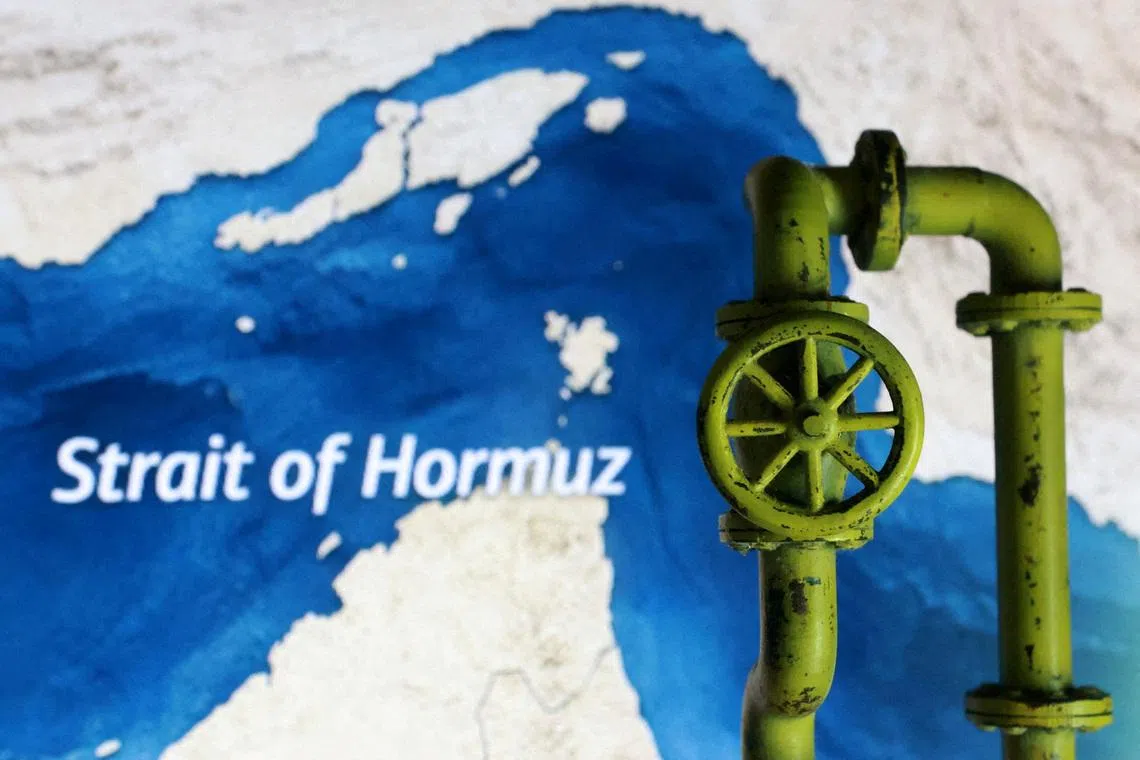
Why it matters: About a fifth of global oil and liquefied gas supplies, normally passing through the Strait of Hormuz, have been severely curtailed.
- UAE official Anwar Gargash stated that the Strait of Hormuz, a critical oil artery, cannot be weaponized and its security is a global economic imperative, not a regional bargaining chip.
- Gargash warned against a ceasefire that fails to address Iran's nuclear program, missiles, and drones, which he says are still impacting the UAE and other countries.
- Former U.S. President Donald Trump threatened to rain "hell" on Tehran and conduct further strikes on Iranian energy and transport infrastructure if the Strait of Hormuz is not reopened by his Tuesday deadline, a move critics deem a war crime.
- The U.S. and Israel have been conducting missile and airstrikes against Iran for over five weeks, targeting its nuclear weapon development, ballistic missile arsenal, and support for regional proxy militias.
- The conflict erupted on February 28 after U.S.-Iran nuclear talks stalled, leading to Iranian retaliation against Israel, U.S. bases, and Gulf energy infrastructure, with the UAE experiencing significant strikes.
The UAE insists that any U.S.-Iran deal must guarantee access through the Strait of Hormuz, warning that a settlement failing to curb Iran's nuclear program, missiles, and drones would create a more dangerous Middle East. This comes as the U.S. and Israel have been striking Iran for over five weeks, with former President Trump threatening further action if the Strait isn't reopened by his Tuesday deadline.