The SpaceX IPO made history. One month on has it lost momentum? — SkimNews
Get the Finance newsletter
Daily finance — markets, central banks, M&A, the prints that move money. Free.
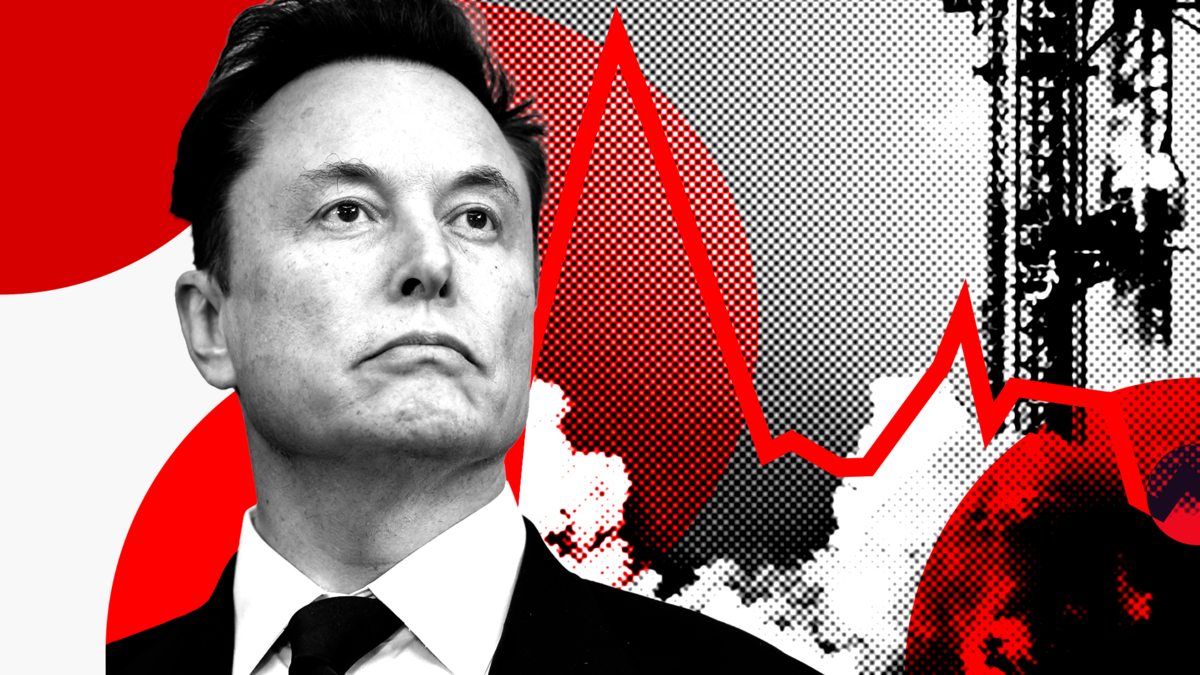
- SpaceX debuted on public markets June 12 at $135 per share, surged to $176 intraday and closed at $160.95, making it the largest IPO of all time before hitting a $225 intraday high the following week
- Shares now trade around $145, roughly 18% below the first-day close and 35% off the peak, leaving retail investors who bought in the first five days underwater
- CFRA analyst Keith Snyder compared the trading pattern to meme stocks like GameStop and Wendy's and expects shares to drop further to around $115 based on business performance
- Morgan Stanley initiated coverage with a $300 target price — a 33% jump above the stock's highest ever trading price — even as SpaceX fell 4.4% on July 7 when it was added to the Nasdaq-100
- When shares spiked on June 16, SpaceX announced an all-stock acquisition of AI coding startup Cursor valued at $60 billion, effectively using its inflated stock as currency
- SpaceX posted $18 billion in revenue last year while operating at a loss, with Elon Musk projecting $1 trillion in yearly revenue by 2030
- The company's first public earnings report is expected in early August, coinciding with the end of the employee lock-up period when shares can be sold on the open market
Why it matters: Retail investors who bought SpaceX in its first five trading days are sitting on losses of 18-35%, while IPO investors at $135 remain profitable. The August earnings report and lock-up expiration will unleash employee-held shares into a market where even Morgan Stanley's bullish $300 target sits roughly double the current $145 price.
Ask SkimNews