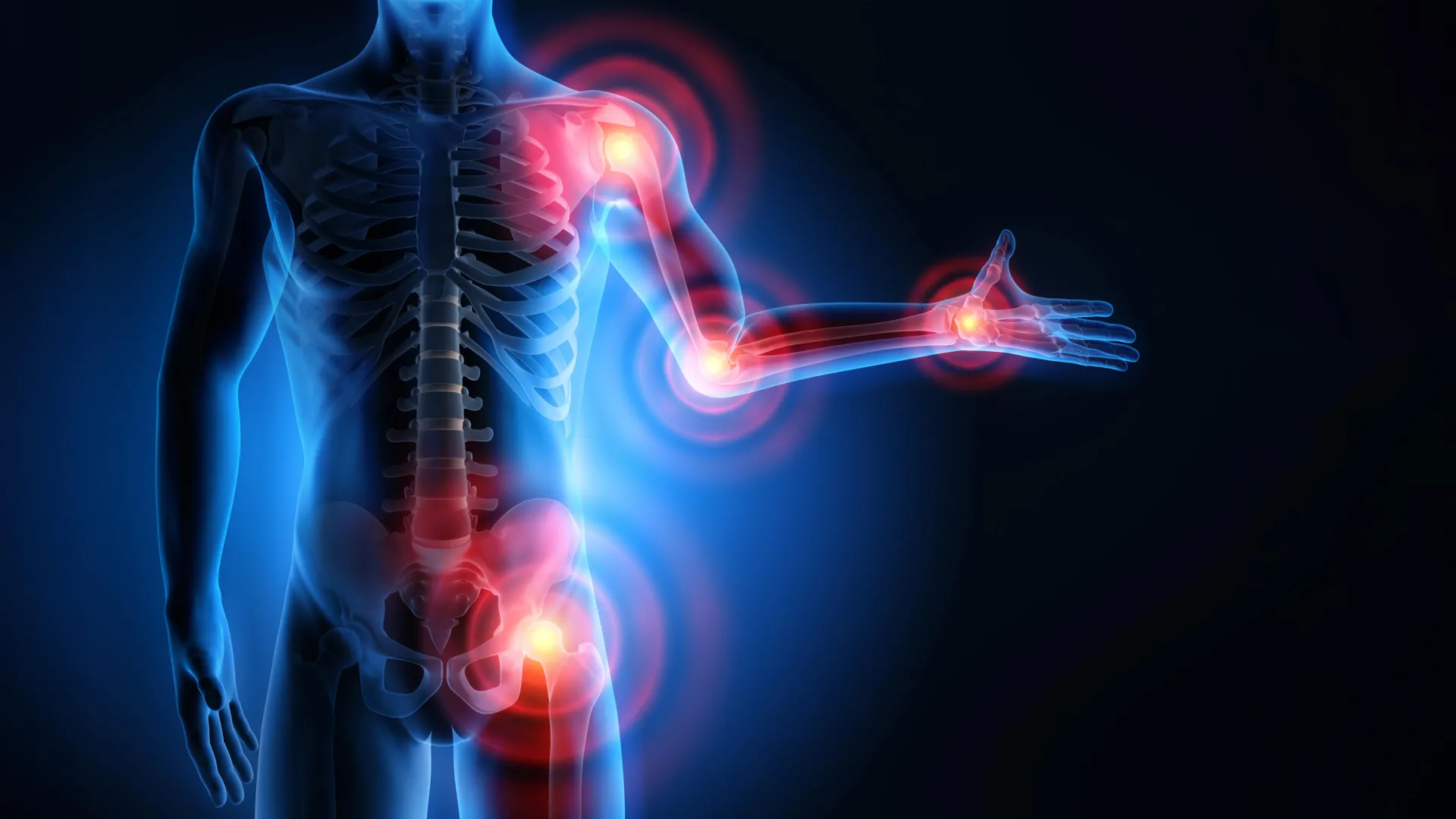
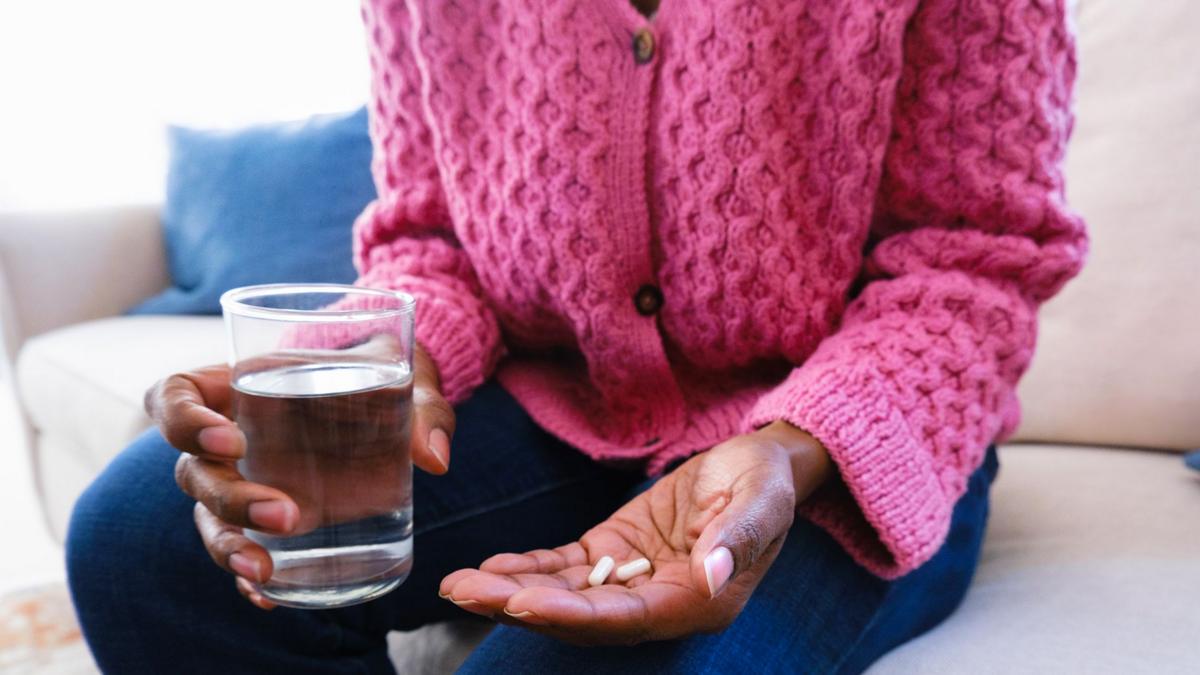
Why you might not be buying the right pain relief for period cramps
Get the Health newsletter
Daily health & science — research, biotech, public health, the studies worth knowing. Free.
- Researchers analyzed 211 million transactions from a single unnamed high street chain in England between 2006 and 2015, covering 3.4 million shoppers, and found paracetamol was the most common painkiller bought alongside tampons and sanitary towels.
- Ibuprofen may work better for period cramps because it blocks prostaglandin production — the chemical behind uterine contractions — while paracetamol acts in the brain to block pain signals and has no anti-inflammatory effect.
- Paracetamol accounted for roughly two-thirds of pain relief purchases tied to menstrual products, with ibuprofen making up the remaining third, according to the study published in PLoS Digital Health.
- Dr Anya Skatova of Bristol University cautioned the loyalty-card data is a snapshot rather than nationally representative, while co-investigator Prof James Goulding of Nottingham University called it 'a real public health education opportunity.'
- Endometriosis UK advises starting ibuprofen the day before or several days before a period begins, before prostaglandins are produced, and notes ibuprofen isn't suitable for everyone.
- The NHS urges seeing a doctor for severe period pain that disrupts daily life, since it can signal endometriosis or fibroids that need medical attention rather than a different over-the-counter pill.
Why it matters: For the millions who self-treat with supermarket pain relief, the gap between what shoppers reach for and what experts recommend points to a public-health messaging failure — and severe cramps that don't respond to the right over-the-counter drug can be a sign of endometriosis or fibroids requiring a doctor's care.