Rewilding Wetlands Proposed to Block Military Advances — SkimNews

Get the Health newsletter
Daily health & science — research, biotech, public health, the studies worth knowing. Free.
- University of East London (UEL) researchers introduced the concept of 'defensive rewilding,' defined as the intentional, pre- or mid-conflict restoration of ecosystems to shape terrain that slows, redirects or impedes military advances while delivering environmental benefits.
- The research addresses what the authors call a 'guns versus climate' dilemma, reframing the environment as a potential 'force multiplier' in national defense rather than a competing priority for public spending.
- Specific interventions include restoring wetlands to create waterlogged ground impassable to armored vehicles, planting forests to restrict visibility and movement, and re-naturalizing rivers to complicate crossing operations—all while supporting carbon storage, flood mitigation and biodiversity recovery.
- The study draws on historical precedent, including the deliberate flooding of landscapes during World War I, and contemporary examples from Ukraine, where rivers and saturated floodplains have slowed and redirected armored advances.
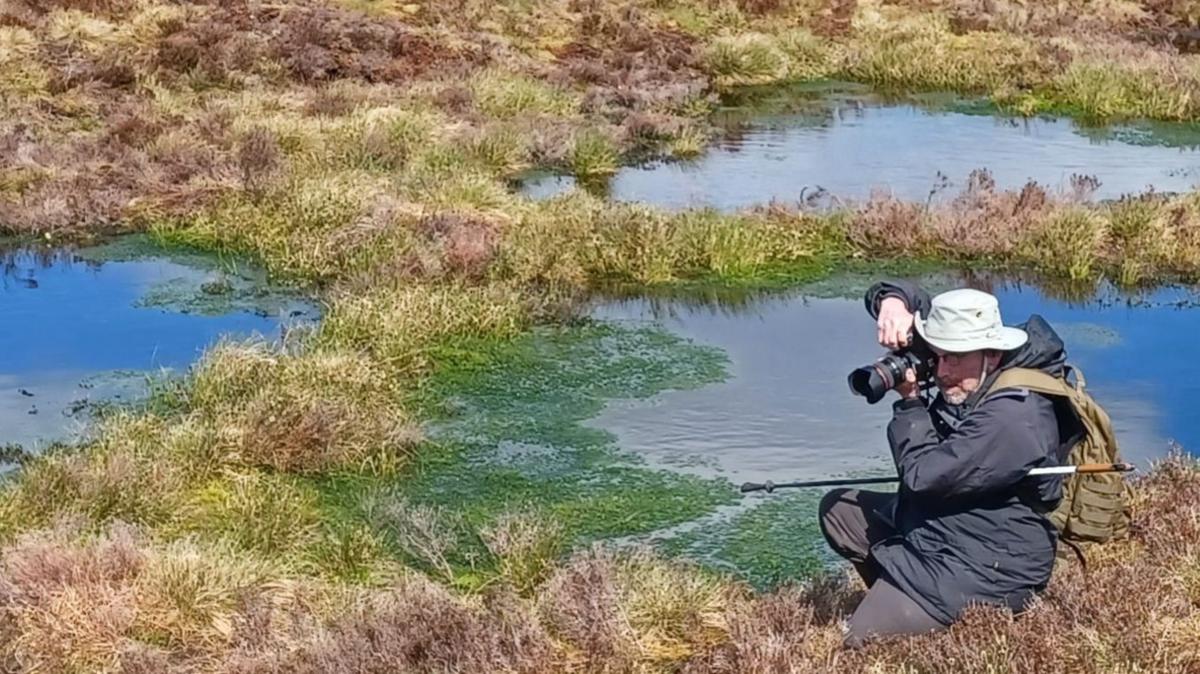
- Peatlands are identified as the most powerful terrain type for this approach, combining low ground-bearing capacity that blocks even light armored vehicles with some of the most effective long-term carbon storage of any ecosystem.
- The approach is framed as a form of 'deterrence by denial,' and the researchers argue restored ecosystems can be more cost-effective and longer-lasting than conventional defensive infrastructure.
- The study was published in The RUSI Journal (2026), DOI: 10.1080/03071847.2026.2646067, with co-authors including Sam Jelliman of UEL's Sustainability Research Institute and Alan Chandler, UEL's Research Impact Leader.
Why it matters: Defense and climate budgets typically compete for the same public funds, but this study argues that restoring wetlands, forests and peatlands could deliver both strategic barriers against armored advances and measurable carbon storage—potentially reframing ecosystem restoration as a line item in national security planning rather than a competing cost center.
Ask SkimNews