Polis Defends Data Centers, Blasts Coal Subsidies — SkimNews

Get the Tech newsletter
Daily tech — startups, AI labs, chips, the launches that shape the next decade. Free.
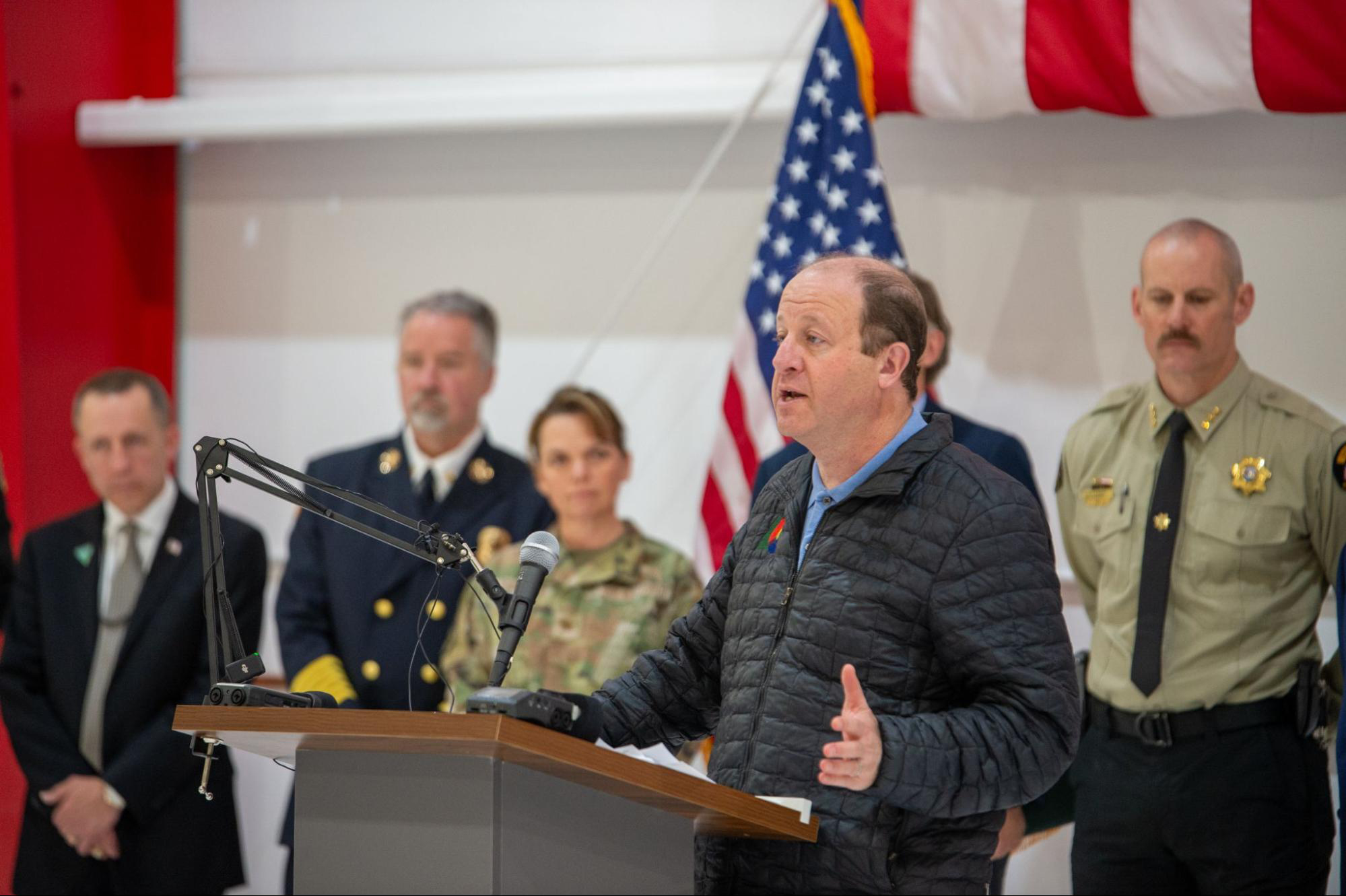
- Jared Polis defended data centers in an Axios interview at the Aspen Ideas Festival, arguing that backlash is aimed more at AI itself than the infrastructure needed to power it, and saying facilities are welcome if they reduce utility rates and stay consistent with water use.
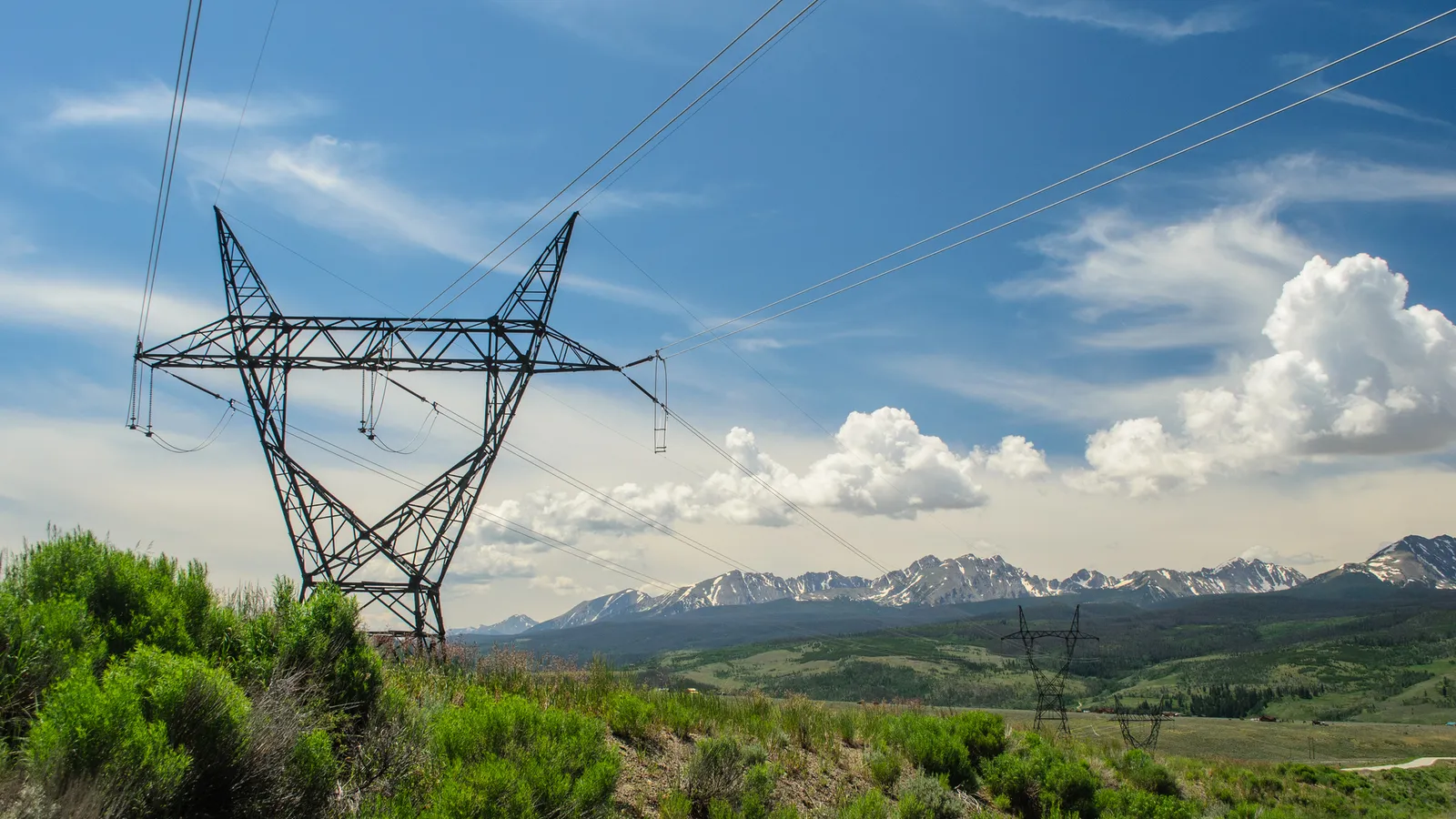
- Colorado's electricity mix has shifted dramatically, with renewable generation more than tripling over the past decade while coal's share fell from 60% in 2014 to 27% in 2024 even as natural gas remains a dominant fuel source.
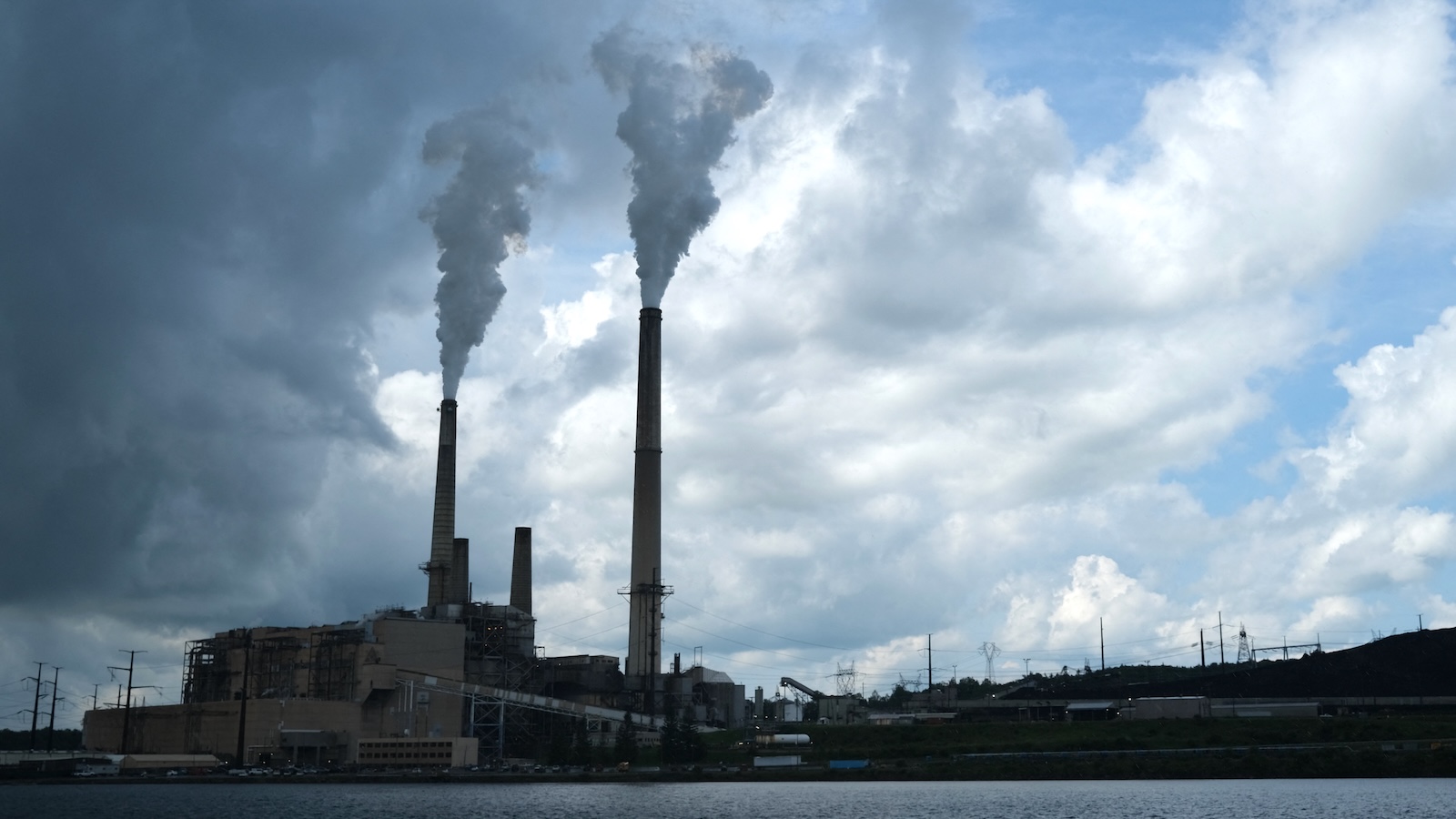
- Polis criticized the Trump administration for keeping coal-fired power plants in Colorado operating after they were set to shut down, questioning how long subsidies for "the highest cost form of energy that's on the grid" would be tolerated.
- Three firefighters were killed the same day as the interview fighting a wildfire three hours west of Aspen on the Utah border; 35 mph winds later pushed smoke into Aspen and sent air quality to levels comparable to Delhi's worst days.
- Colorado invested in its own aerial firefighting fleet after Polis argued the state can no longer rely on neighboring states for aircraft as wildfires worsen across the West.
- The seven Colorado River basin states face an Oct. 1 deadline to agree on new operating rules as the region's megadrought enters a third decade; Polis warned failure would trigger "litigation from all sides" lasting "many years."
Why it matters: Polis's January term-limited exit closes a chapter on Colorado's pragmatic 'all of the above' energy approach that tripled renewables while keeping natural gas dominant. His data center defense shifts political opposition toward AI itself rather than infrastructure, and the Oct. 1 Colorado River deadline forces seven basin states to settle water rights before federal intervention reshapes the Southwest's allocation.
Ask SkimNews