Vance: Israel Offered to Restrain Lebanon Strikes for Iran Talks

Get the Geopolitics newsletter
Daily geopolitics — wars, elections, sanctions, the diplomatic moves that move markets. Free.
- Vance said Israel offered to 'check themselves' on Lebanon strikes to help the Saturday U.S.-Iran negotiations succeed, calling any Iranian withdrawal over Lebanon 'dumb' but 'their choice'
- Iran threatened to pull out of Saturday's talks, close the Strait of Hormuz, and resume fighting, with Foreign Minister Araghchi declaring the U.S. must 'choose — ceasefire or continued war via Israel'
- Israel conducted what the IDF called 'the largest coordinated wave of strikes in Lebanon' on Wednesday — 50 fighter jets hitting 100 Hezbollah command centers with approximately 160 munitions, killing more than 80 and wounding 200 per the Lebanese Red Cross
- Vance acknowledged a 'legitimate misunderstanding,' saying Iran believed the ceasefire covered Lebanon but the U.S. 'never made that promise' — a position Netanyahu publicly asserted minutes after Pakistani PM Sharif announced the truce applied 'everywhere, including Lebanon'
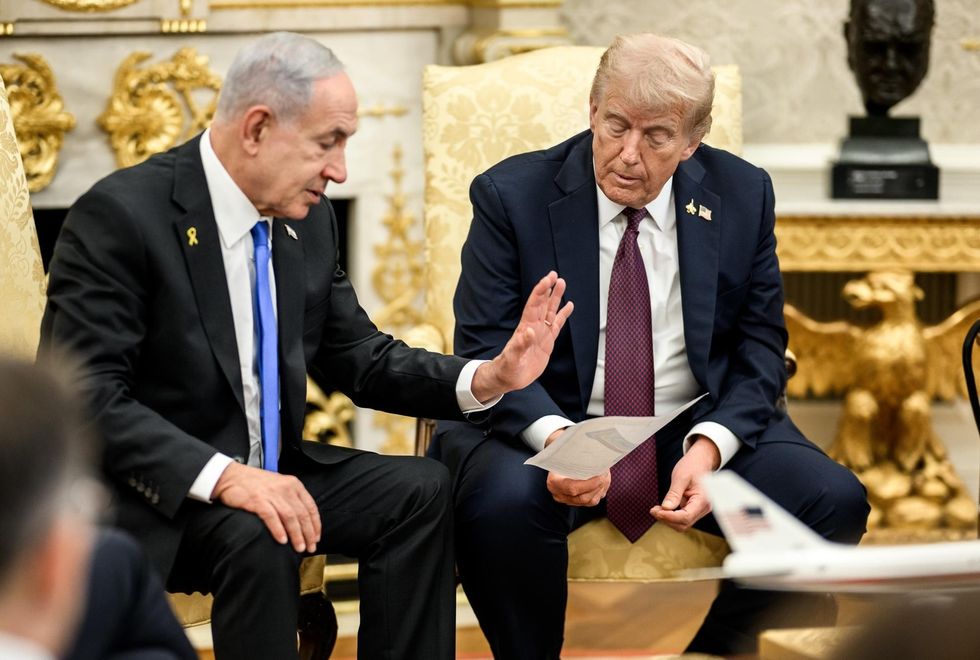
- Behind the scenes, Trump and Netanyahu agreed in a pre-announcement phone call that fighting in Lebanon could continue, per a senior U.S. official and an Israeli official
- At least 254 people have been killed in Israel's strikes per Lebanese Civil Defense; Israel says thousands of soldiers up to six miles into Lebanon will not withdraw until Hezbollah is disarmed
- Egypt, which helped mediate the ceasefire, accused Israel of a 'premeditated' attempt to undermine the truce, and Iran's Fars news agency reported oil tankers were stopped in the Strait of Hormuz after the strikes
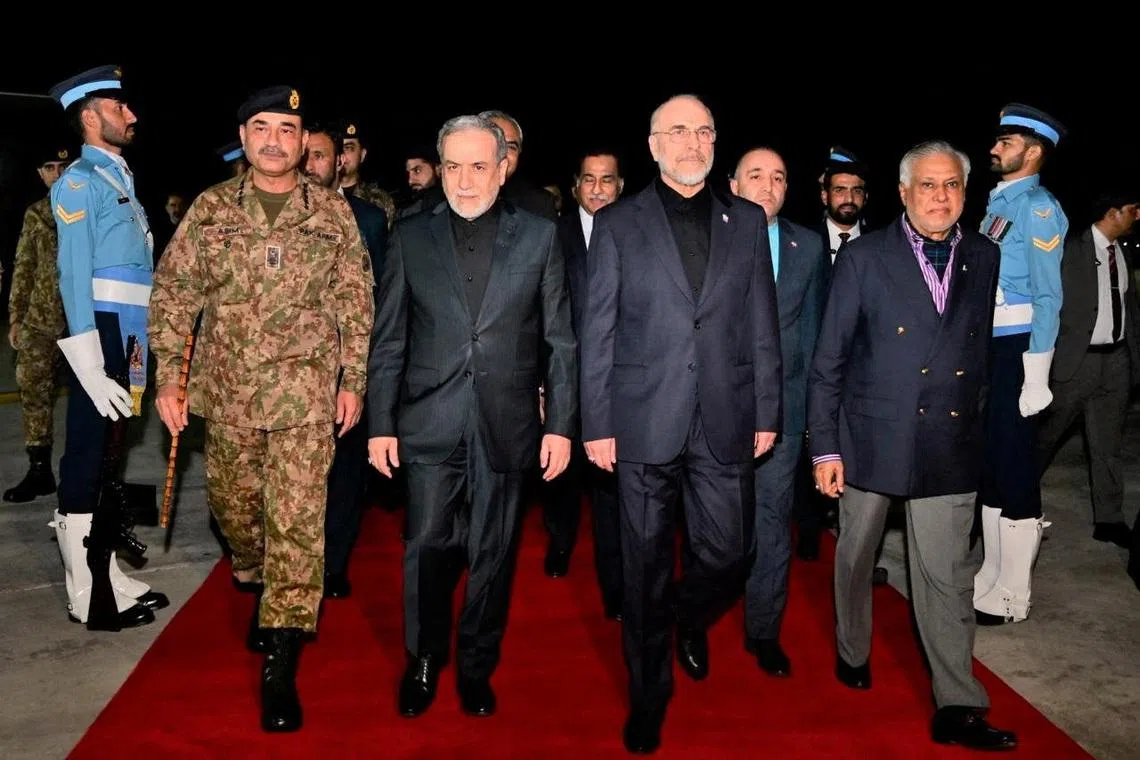
Why it matters: The Saturday U.S.-Iran talks in Pakistan now hinge on whether Israel sustains restraint — and whether the White House enforces it. With Iran's Strait of Hormuz threat activated (tankers reportedly halted), 254 Lebanese civilians already dead, and a 5-week-old multi-front war hanging in the balance, even a single day of major Israeli bombing could collapse the ceasefire and reopen regional fighting.
Ask SkimNews