Rubio Heads to Manila for ASEAN Meetings, Trump-Xi Summit Prep — SkimNews
Get the Geopolitics newsletter
Daily geopolitics — wars, elections, sanctions, the diplomatic moves that move markets. Free.
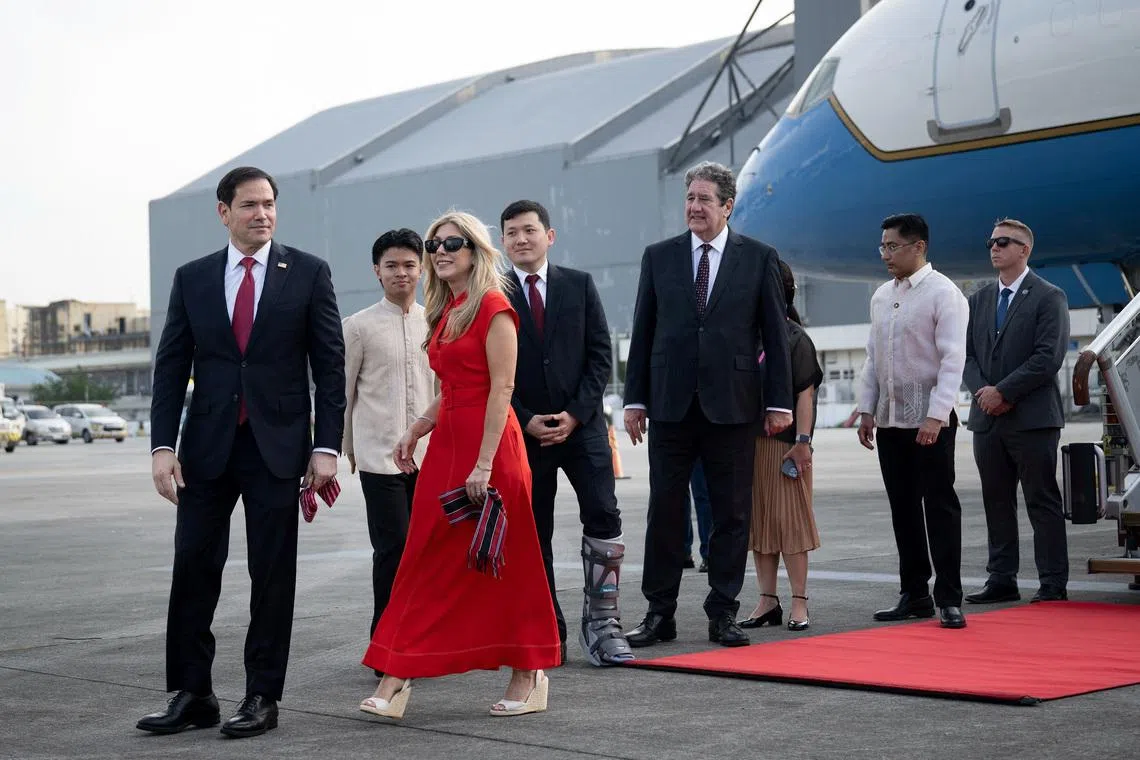
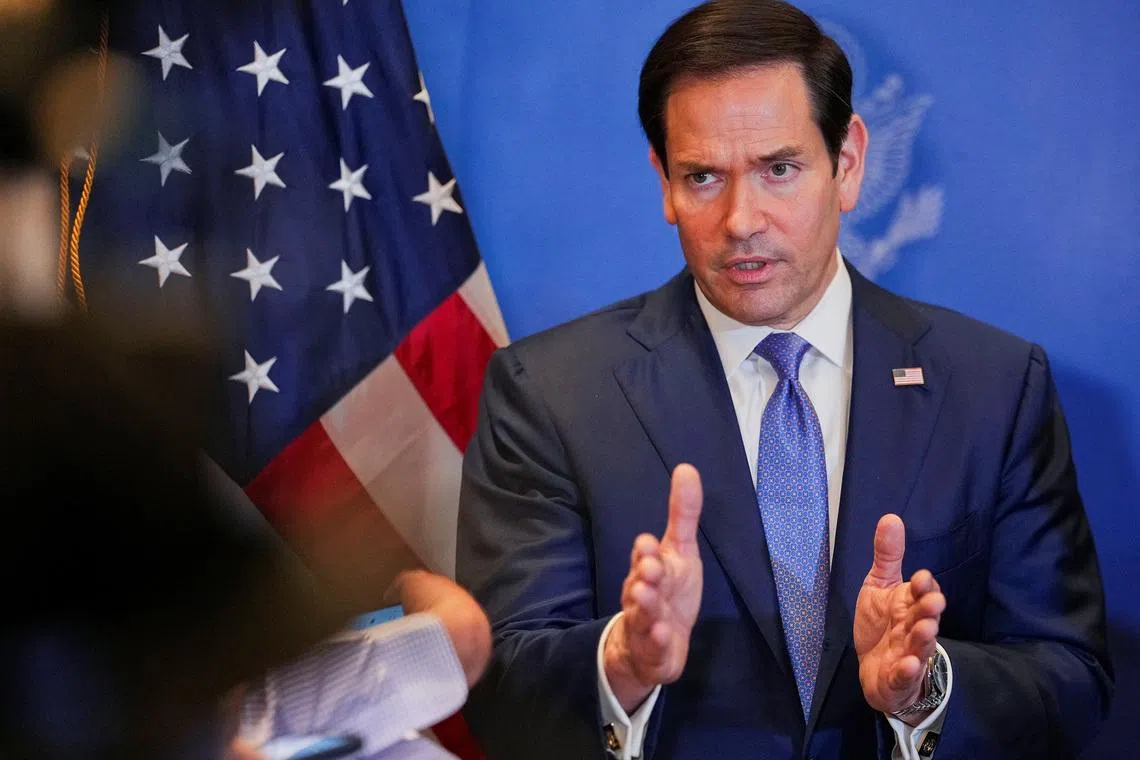
- Marco Rubio departs Sunday for Manila through next Thursday, attending the ASEAN Post-Ministerial Conference, the East Asia Summit Foreign Ministers' Meeting, and the ASEAN Regional Forum.
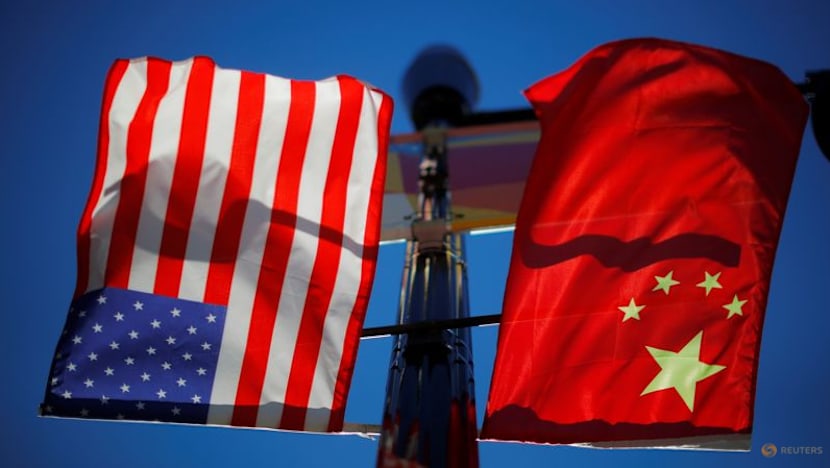
- Rubio is expected to meet Chinese Foreign Minister Wang Yi to prepare for a second Trump-Xi summit this year; Trump has said Xi will visit the U.S. at the end of September following their May meeting.
- Russian Foreign Minister Sergei Lavrov is also expected in Manila, alongside ministers from Japan, Australia, Canada, and Britain for the 11-member ASEAN gatherings.
- The meetings occur against the backdrop of the Iran war disrupting global trade and creating economic stress across Asia, and come shortly after the 10th anniversary of a 2016 ruling that invalidated China's sweeping South China Sea claims — a decision Beijing rejects.
- Myanmar returns to the agenda after ASEAN foreign ministers held informal talks with Myanmar's foreign minister last week, the first face-to-face meeting since the 2021 coup that led ASEAN to bar Myanmar's leaders from its meetings.
- CSIS maritime security expert Harrison Pretat expects Rubio to take a 'calibrated approach' on South China Sea criticism rather than 'hammer Beijing,' to avoid derailing his talks with Wang Yi.
- Southeast Asian scam centers are a likely agenda item; CSIS's Andreyka Natalegawa noted the Trump administration says these operations are costing Americans billions of dollars a year.
Why it matters: The Rubio-Wang Yi meeting would be the highest-level U.S.-China diplomatic contact since the May Trump-Xi summit and the October trade truce, making it a direct test of whether the fragile stabilization in ties holds. With analysts describing the relationship as a 'new form of Cold War' and Trump juggling simultaneous crises — Iran, the South China Sea, Myanmar — Manila is shaping up as a pressure point where economic stress from the Iran war meets great-power competition over Asia's security architecture.
Ask SkimNews