Johns Hopkins Identifies Colon Cancer Toxin Receptor — SkimNews
Get the Health newsletter
Daily health & science — research, biotech, public health, the studies worth knowing. Free.
- Johns Hopkins researchers identified claudin-4 as the receptor the BFT toxin from Bacteroides fragilis binds to before damaging colon cells, ending a mystery that had lingered more than 15 years, per a Nature paper published in 2026.
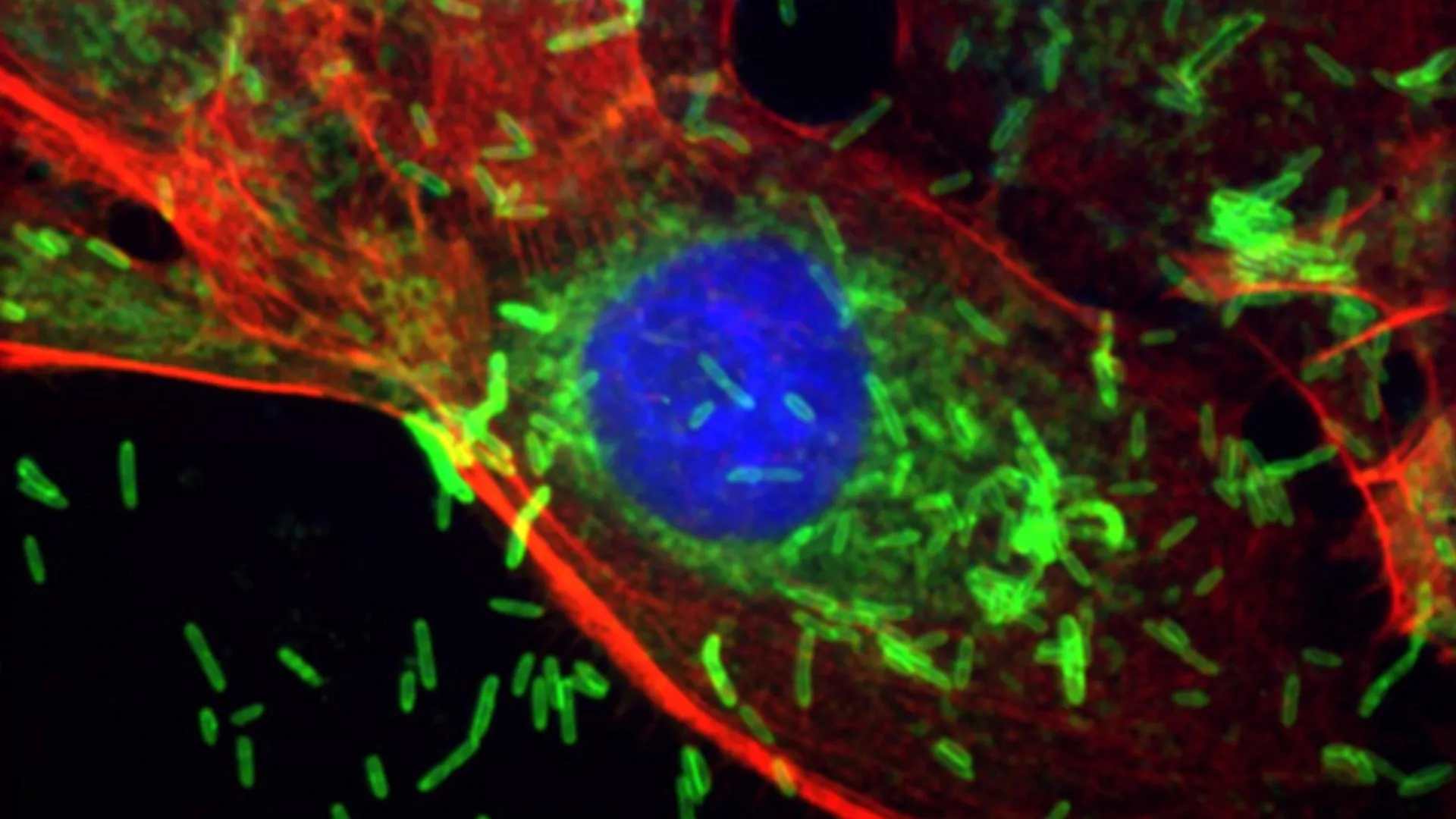
- Maxwell White, an M.D./Ph.D. candidate in Cynthia Sears' lab, ran a genome-wide CRISPR screen with Matthew Waldor's Harvard Medical School lab that flagged claudin-4 as the clear top hit required for the toxin to take hold.
- The BFT toxin was already known to cleave E-cadherin and drive colon tumor formation, but scientists had expected the receptor to be a signaling protein like a GPCR — claudin-4, a tight-junction protein, was a surprise.
- F. Xavier Gomis-Rüth and Ulrich Eckhard at Barcelona's Molecular Biology Institute confirmed via biophysical assays that BFT and claudin-4 form a tightly bound one-to-one complex — the first direct physical evidence of the interaction.
- A soluble claudin-4 decoy built by the team successfully intercepted BFT in mouse experiments run with Min Dong's Harvard lab, sparing the animals from colon damage in vivo.
- The atomic-level structure of how BFT and claudin-4 actually fit together remains unresolved — the team notes that current AI tools, including AlphaFold, could not fully model the interaction.
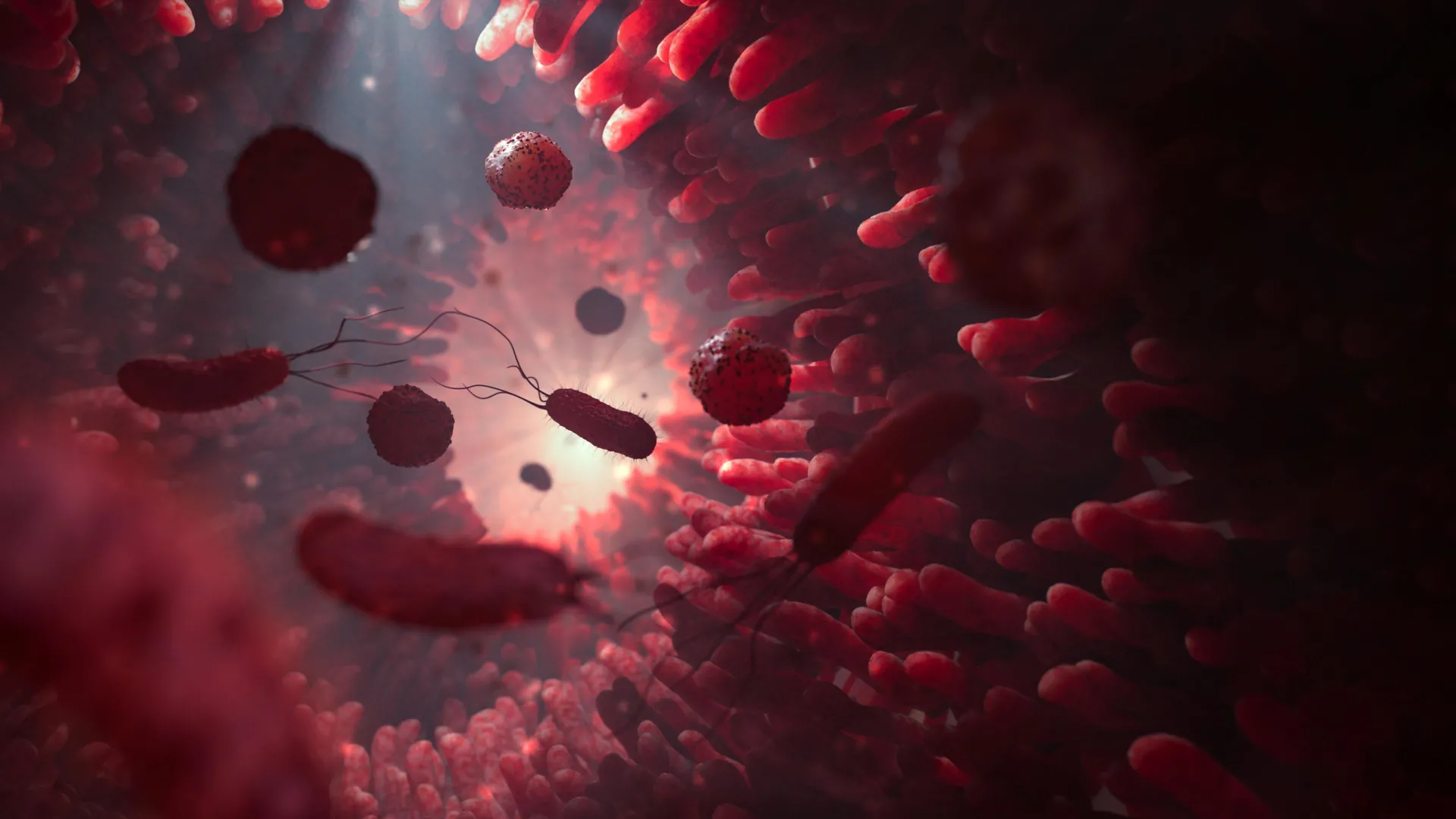
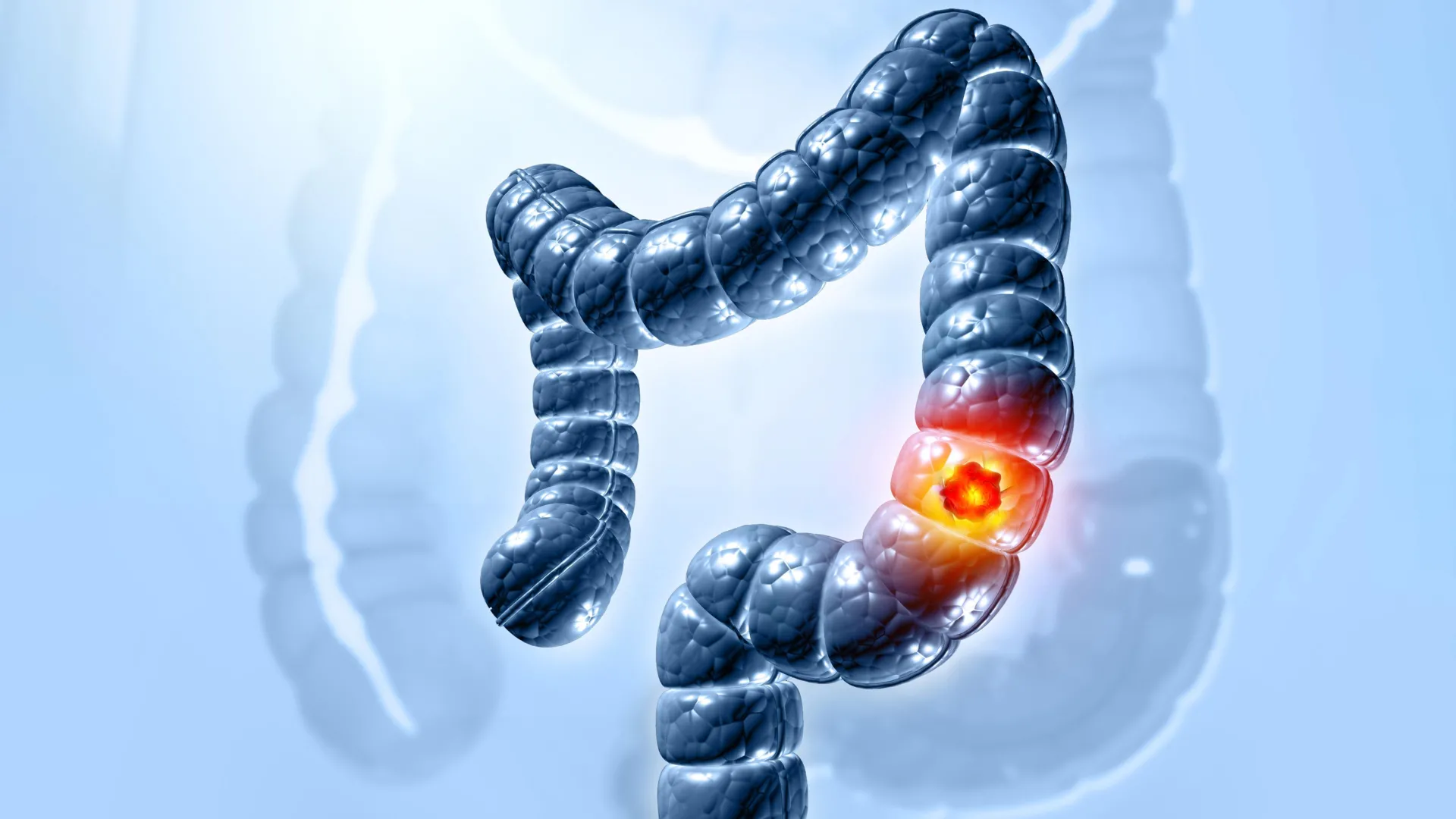
Why it matters: Bacteroides fragilis colonizes up to 20% of healthy guts, but toxin-producing strains drive chronic colon inflammation and tumors. With claudin-4 now identified and a soluble decoy proven in mice, researchers have a concrete non-antibiotic drug target for blocking BFT before it reaches colon cells — though the structural details AlphaFold couldn't resolve still need to be cracked.
Ask SkimNews