The Adversarial: War in Iran Shapes Adversaries’ Calculations
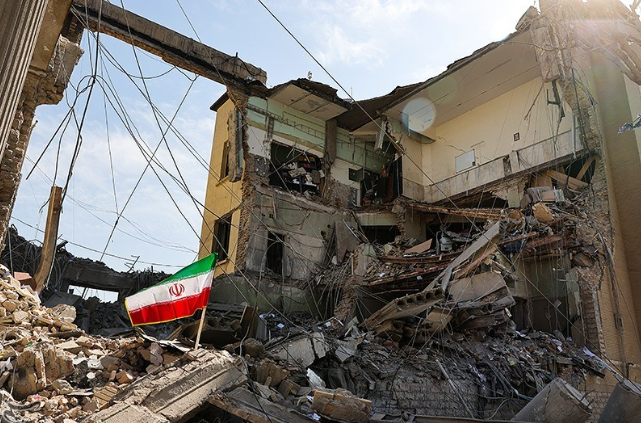
Why it matters: Escalating U.S.-Israeli strikes and Iranian retaliation risk wider regional conflict, impacting global energy and stability.
- The U.S. and Israel initiated joint military strikes against Iran, targeting senior officials, missile facilities, and naval assets, with Iran's defenses proving largely ineffective.
- Iran responded by firing hundreds of drones and missiles at Israel and across the Gulf, aiming to create economic and diplomatic pressure on Washington by involving major energy producers.
- The Senate failed to pass a vote that would have limited presidential authority on the Iran war, effectively giving Trump free rein, as reported by Responsible Statecraft.
- B-1 and B-52 bombers have joined the U.S. war effort against Iran, according to Defense One, signaling a significant escalation.
- Israelis largely support the war with Iran despite acknowledging uncertainty and fatigue, as highlighted by BBC World.
The U.S. and Israel have launched extensive joint military strikes against Iran, targeting key officials and military assets, revealing Iran's porous defenses while Tehran retaliates with drone and missile barrages across the Gulf, aiming to leverage regional instability to pressure Washington. Despite Iranian efforts to draw its neighbors into the conflict, Israelis largely back the war, even amidst uncertainty and fatigue, as U.S. bombers join the fray, according to Defense One and BBC World.