Russian online retail warehouses hit by deadly Ukrainian strikes — SkimNews
SkimNews Take
By justifying strikes on Wildberries' commercial warehouses as part of Russia's drone supply chain, Kyiv is expanding the category of legitimate targets deep inside Russia — repositioning private retail infrastructure as potential nodes in the war.
Get the Geopolitics newsletter
Daily geopolitics — wars, elections, sanctions, the diplomatic moves that move markets. Free.
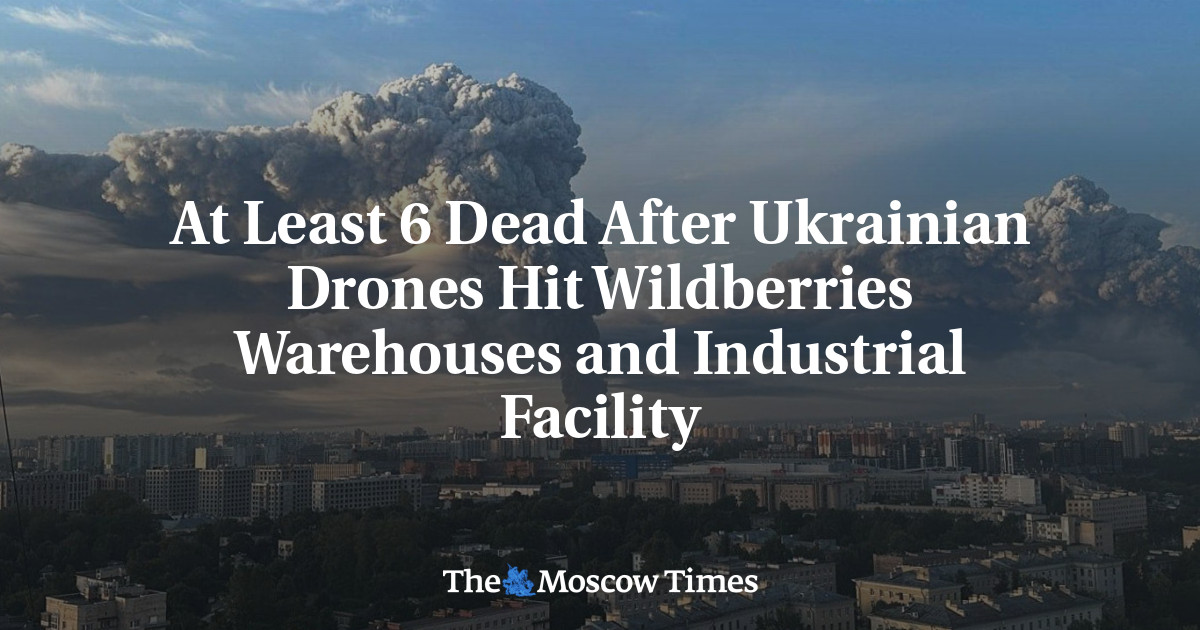
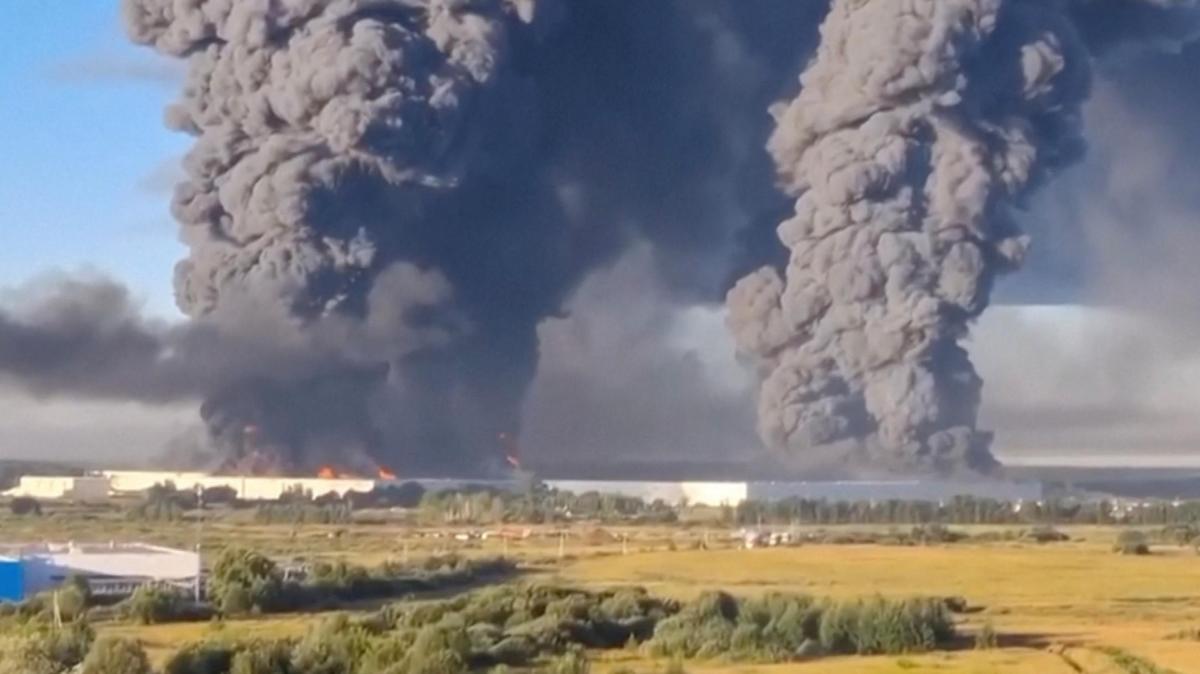
- Ukrainian drones struck two Wildberries warehouses overnight — seven killed and 25 injured in Tambov (~475km southeast of Moscow), and one killed and 37 injured in Elektrostal in the Moscow region — for a combined toll of eight dead and 62 injured.
- Zelensky said the warehouses were "major logistics facilities" used to supply "sanctioned components for drone production and navigation equipment," and separately confirmed Ukrainian strikes on targets in the Sea of Azov, the Black Sea, and Russian-annexed Crimea.
- Russian air defenses reported shooting down 28 drones approaching Tambov and 48 drones over the Moscow region overnight; a falling drone also struck an oil depot in the Moscow region, which Governor Vorobyov called the incident with "the most serious consequences."
- Ukraine has escalated its long-range drone campaign against Russian energy infrastructure, claiming nearly 43% of Russia's oil refining capacity has been "disabled" — a figure the BBC has not independently verified.
- Putin made a rare public admission last month that fuel shortages stemmed from Ukrainian strikes and signed a bill in early July to boost domestic fuel supplies.
- Wildberries CEO Tatyana Kim, one of Russia's first female billionaires, called it a "terrible night"; the merged RWB group (Wildberries + Russ) was valued at roughly $12.6bn by Forbes Russia in 2026.
Why it matters: The strikes mark an expansion of Ukraine's drone campaign from Russian energy infrastructure to commercial logistics hubs deep behind the front lines, which Zelensky directly tied to Russia's military drone supply chain — a widening of target categories that Russia is already struggling to defend, given its own admitted fuel crisis and the volume of drones now reaching the Moscow region.
Ask SkimNews