Super Typhoon Bavi Pummels Guam, Northern Mariana Islands — SkimNews
SkimNews Take
With landfall on smaller Rota and parallel evacuations ordered across Guam and neighboring islands, a single storm forces simultaneous emergency responses across multiple small jurisdictions whose individual capacity to absorb damage is limited.
Get the Energy newsletter
Daily energy & climate — solar, EVs, oil, the policy fights and tech bets shaping the transition. Free.
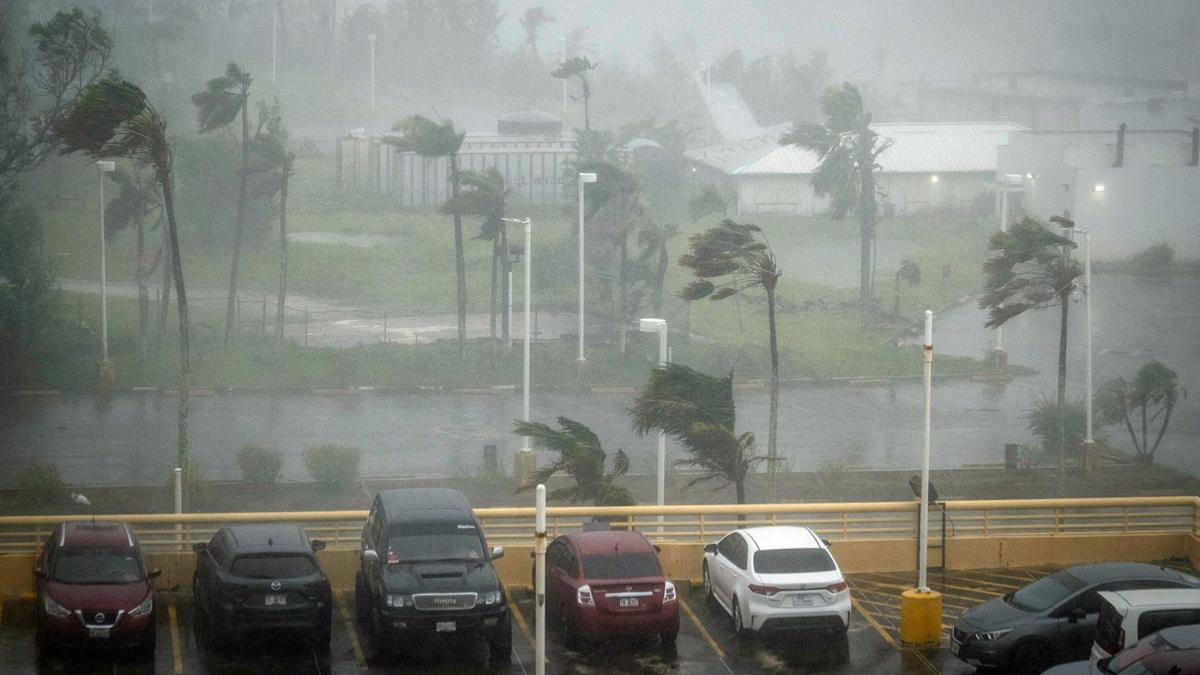
- Super Typhoon Bavi struck the US Pacific islands on Monday with wind speeds of 290 km/h (180 mph), making landfall on Rota in the Northern Mariana Islands according to the US National Weather Service.
- The National Weather Service warned of "catastrophic" damage with waves potentially reaching nearly 11m (35ft), while an official told AFP they had received reports of "major damages" on the Northern Mariana Islands.
- Guam's Waterworks Authority reported 28 of the island's 99 water wells remained offline after the storm, and the Joint Region Mariana military command entered an active recovery phase beginning Tuesday at 06:00 local time.
- On Saipan, wind gusts exceeding 161 km/h (100 mph) were recorded at the airport, with meteorologist Marcus Landon Aydlett noting many residents were already without power from the previous super typhoon Sinlaku, which killed 17 people and caused about $1.5bn in damage in April.
- Bavi is the 11th category four or five tropical cyclone to hit US territory in the past decade — one more than the total recorded in the prior 57 years — with scientists linking the increase in powerful typhoons to climate change and warmer sea surface temperatures.
- Guam opened five evacuation centers in schools with a maximum capacity of about 1,700 people, with one center already reaching maximum capacity by 13:00 local time Sunday before the storm arrived.
Why it matters: For the roughly 170,000 residents of Guam and the Northern Mariana Islands, Bavi represents the second devastating super typhoon in months — Sinlaku killed 17 and caused $1.5bn in damage just weeks ago — compounding recovery costs and leaving many residents still without power heading into this new storm. The decade now counts 11 category 4-5 cyclones hitting US Pacific territory, exceeding the total from the previous 57 years combined.
Ask SkimNews