Taiwan Civilians Drill for War as US Guarantee Wavers

Get the Geopolitics newsletter
Daily geopolitics — wars, elections, sanctions, the diplomatic moves that move markets. Free.
- Taiwan civilians are joining a small but growing civil defence movement, with families like 7-year-old Polok Hsu and his parents attending weekly meetings at Shalun Elementary School in New Taipei City since January.
- The movement does not aim to stop an invasion; instead it focuses on surviving the first days of a war, blockade, or emergency — preparing for disrupted communications, damaged infrastructure, overwhelmed emergency services and widespread uncertainty.
- Taiwanese security analysts, civil defence organizers and government officials describe the required response as a "whole-of-society effort" in which ordinary citizens become first responders responsible for keeping neighbourhoods functioning.
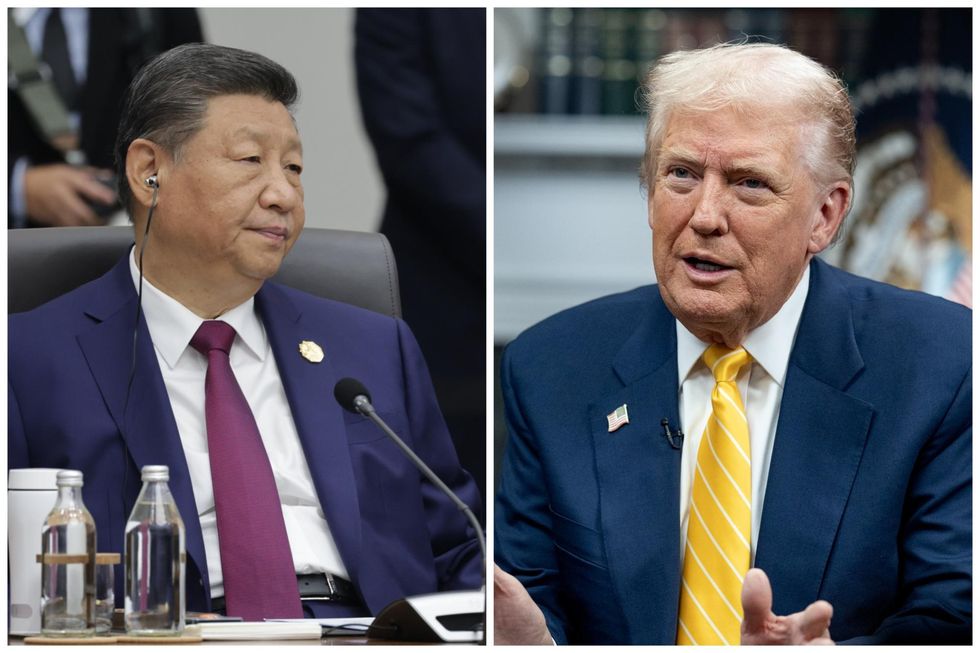
- Under President Donald Trump, the decades-old assumption that the U.S. would defend Taiwan against China's vow to unify the self-governed island of 23 million people is no longer a certainty, a shift the article ties directly to the civilian mobilization.
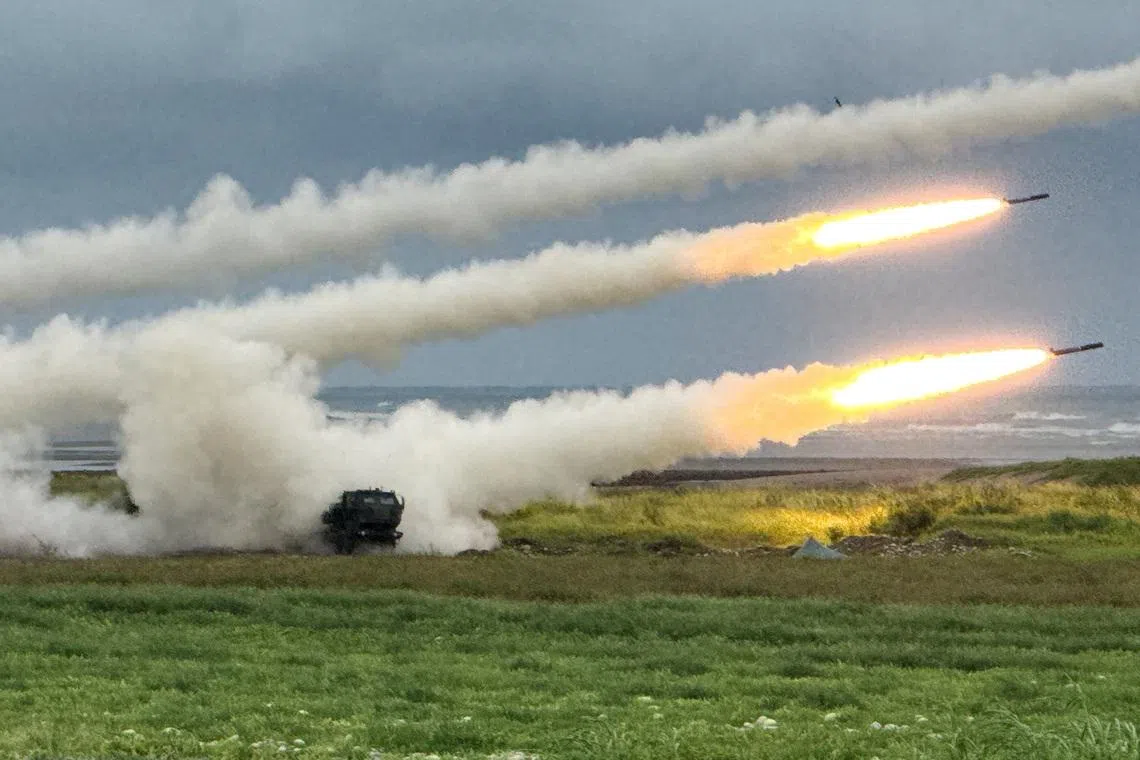
- Beijing's military posture has grown more daring, with warships prowling the Taiwan Strait and fighter jets crossing the median line near Taiwan's airspace, moving the threat from Pentagon simulations into lived experience.
- Reporting from the ground found that civil defence in Taiwan was less about military tactics than about building trust — volunteers were learning emergency response skills and getting to know their neighbours because those relationships would matter in any crisis.
Why it matters: With U.S. protection no longer assumed under Trump, Taiwan's 23 million people are shifting from reliance on American deterrence to a civilian-led survival doctrine — one that redefines national security as a neighbourhood-by-neighbourhood responsibility if Beijing moves on the island.