Taiwan civilians train weekly as China invasion fears grow

Get the Geopolitics newsletter
Daily geopolitics — wars, elections, sanctions, the diplomatic moves that move markets. Free.
- Polok Hsu, 7, and his parents have attended weekly civil defense meetings at Shalun Elementary School in New Taipei City since January, part of a growing movement of Taiwanese civilians preparing for a potential Chinese attack.
- Taiwan's civil defense organizers focus on surviving the first days of a war, blockade, or emergency — disrupted communications, damaged infrastructure, and overwhelmed emergency services — rather than repelling an invasion.
- Taiwanese security analysts, civil defence organizers, and government officials frame the response as a "whole-of-society effort," with ordinary citizens serving as first responders keeping families and neighborhoods functioning.
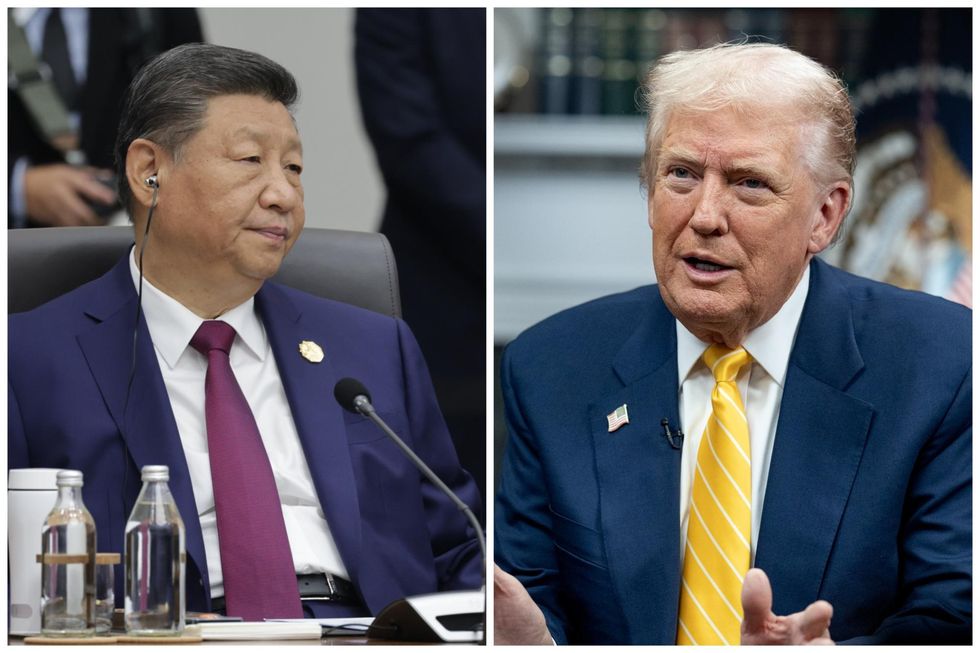
- Under President Donald Trump, Taiwan's decades-old assumption of U.S. military support in the event of a Chinese attack is no longer seen as a certainty, driving the civil defense movement.
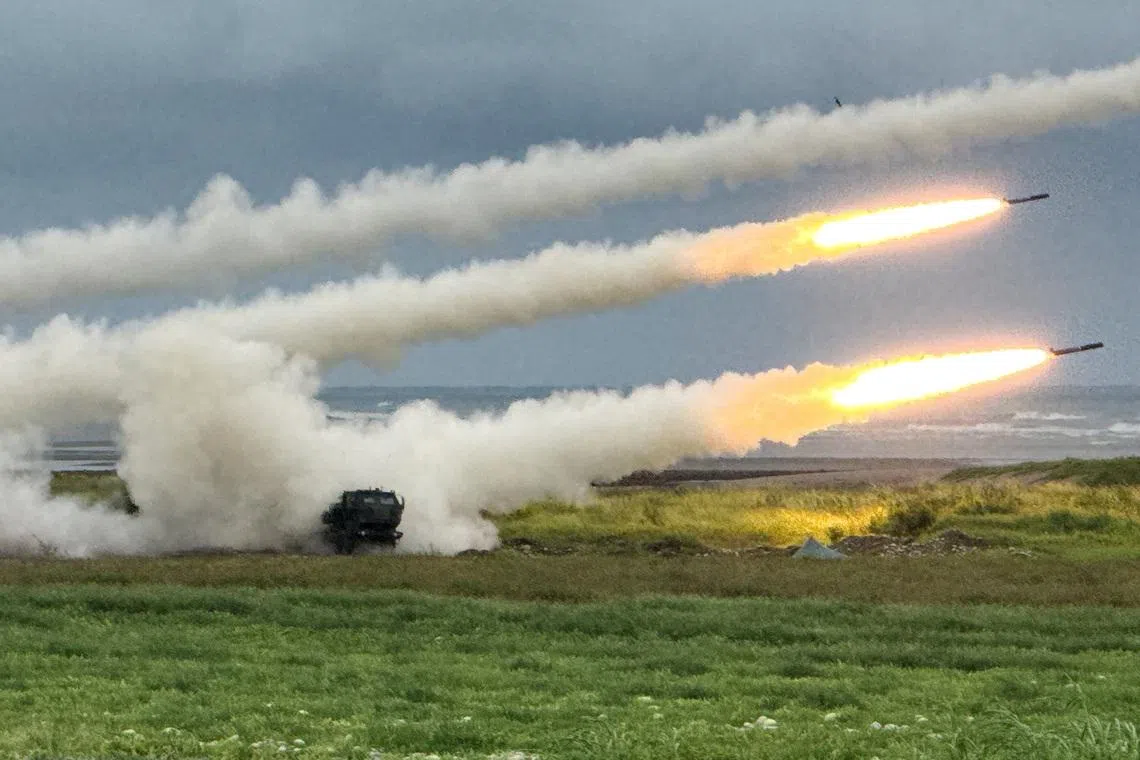
- Beijing's military activity has escalated, with warships prowling the Taiwan Strait and fighter jets crossing the median line near Taiwan's airspace, moving the threat from hypothetical to immediate.
- The movement emphasizes building trust and neighborhood relationships over military planning, the reporter observed — many volunteers joined to learn emergency response skills and meet neighbors, not to train for combat.
Why it matters: With 23 million people on an island whose U.S. security backstop is now uncertain, Taiwan is shifting from relying on American firepower to betting that community resilience — neighbors knowing first aid, civilians doubling as first responders — can bridge the gap in the critical first days of a crisis. That reframes deterrence: a society organized to absorb the opening blows may be harder to conquer than one that simply waits for an ally to arrive.