Uber lobbies against D.C. robotaxi bill, clashes with Waymo — SkimNews

Get the Tech newsletter
Daily tech — startups, AI labs, chips, the launches that shape the next decade. Free.
- Uber opposes a proposed D.C. bill allowing autonomous vehicle deployment, lobbying instead for a "hybrid" model that would require robotaxis to operate on ride-hailing networks also serving human drivers, according to public records reviewed by TechCrunch.
- Waymo, which both partners with and competes against Uber, backs the bill and said it would "welcome changes" letting different network types operate in the District, though it denies backing efforts to restrict AVs to specific networks.
- The bill, introduced by Councilmember Charles Allen in May, would update the Autonomous Vehicle Act of 2012, require $5 million in liability insurance, and levy a $0.15-per-mile VMT tax split between public transit and workforce development for displaced drivers.
- Uber policy chief Javi Correoso told a May D.C. Council roundtable that one AV displaces roughly four drivers and argued robotaxis create congestion by idling and cruising empty between rides.
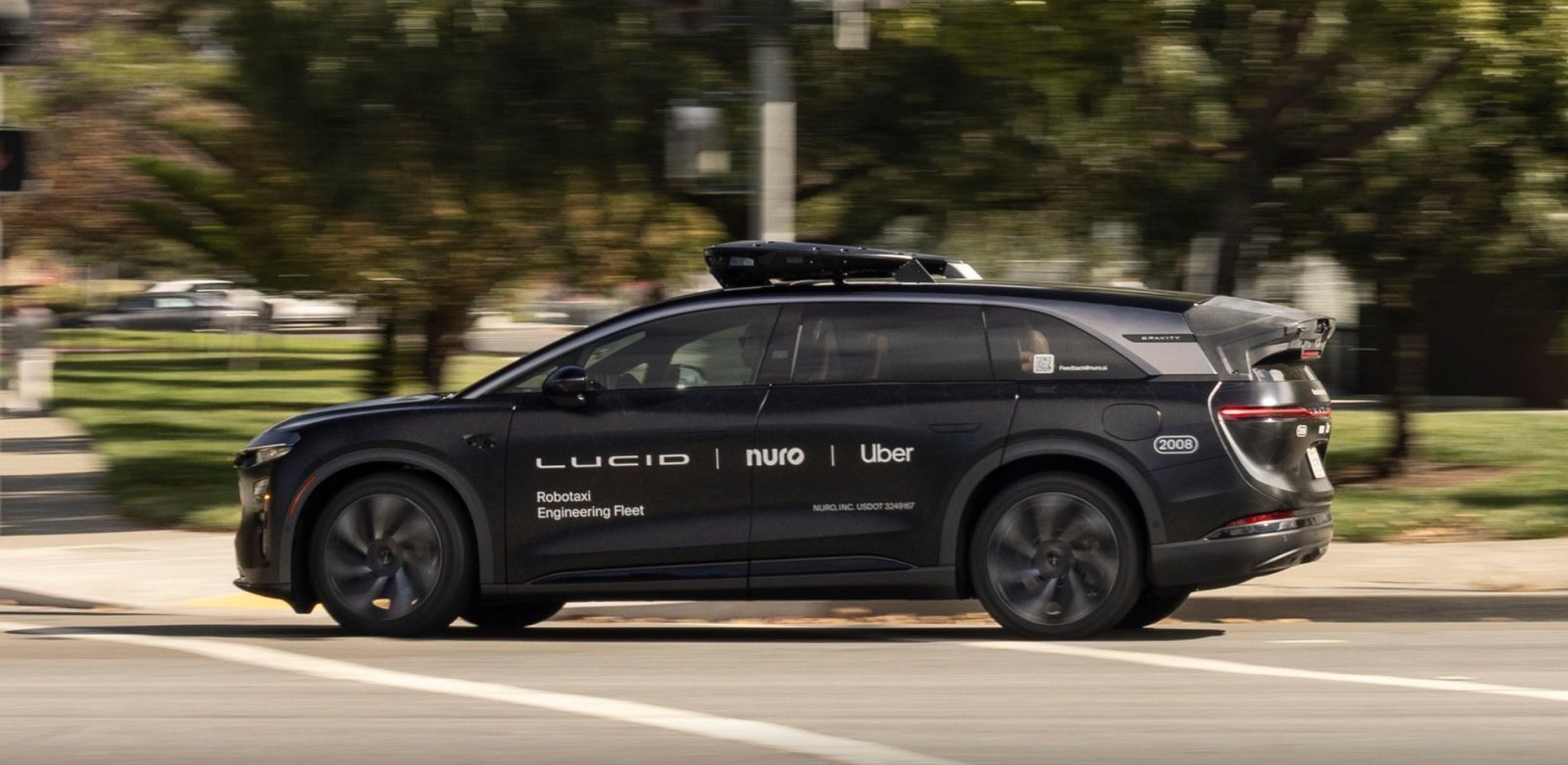
- Uber is simultaneously investing in or partnering with more than 30 AV developers globally and building a new AV Labs unit to share driving data, while its policy push would force those same developers onto Uber's app or require them to hire human drivers.
- Monday's hearing will include testimony from Tesla, Lyft, the Teamsters, SEIU, disability rights groups, and the Coalition for Accountability and Road Safety—an anti-robotaxi campaign linked to Pitta Bishop & Del Giorno LLC, a labor-affiliated lobbying firm whose funding is undisclosed.
Why it matters: The D.C. fight previews a national regulatory battle over who controls the robotaxi stack: the ride-hail platforms that aggregate demand, or the AV operators building the technology. If Uber's hybrid mandate spreads beyond the District, Waymo and other developers would face a binary choice—distribute through Uber's app or employ their own human drivers—undercutting the standalone robotaxi model.
Ask SkimNews