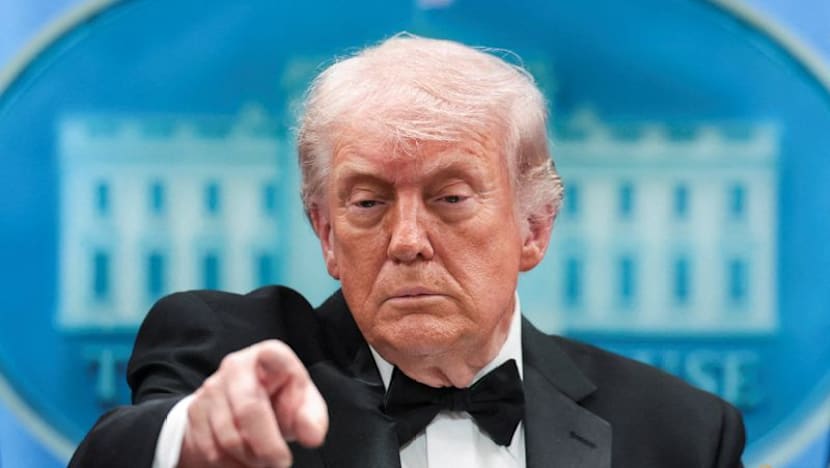
Trump‑Xi May 14‑15 Summit Undermined by Gulf Crisis

SkimNews Take
Regional instability in the Gulf, requiring U.S. attention, functionally reduces America's capacity to exert influence in other diplomatic arenas, thereby increasing the relative leverage of other global powers.
Get the Geopolitics newsletter
Daily geopolitics — wars, elections, sanctions, the diplomatic moves that move markets. Free.
- Trump prepares to travel to Beijing for a May 14‑15 summit with Xi.
- China stands to gain leverage from the Gulf crisis as the United States enters the summit amid an unresolved Iran conflict.
- United States is racing to freeze the Iran crisis before May 14 to avoid a contested Strait of Hormuz weakening its negotiating position.
- Iran offers a five‑year enrichment freeze, while the United States seeks a twenty‑year freeze, highlighting a core disagreement over Iran’s nuclear program.
- Saudi Arabia refuses to permit US use of its airspace or bases for attacks on Iran, signaling strategic hedging and greater autonomy.
- Summit could be shielded by a narrow freeze framework and maritime de‑escalation, but the arrangement would be fragile and vulnerable once the deadline passes.
Why it matters: The United States’ failure to resolve the Iran crisis before the May 14‑15 summit erodes its bargaining power, while China’s leverage grows and Saudi Arabia’s strategic autonomy solidifies, forcing Washington to accept a narrow, fragile agreement that risks unraveling after the summit.
Ask SkimNews