Hormuz is not a tool to end the war but how Iran wins the aftermath
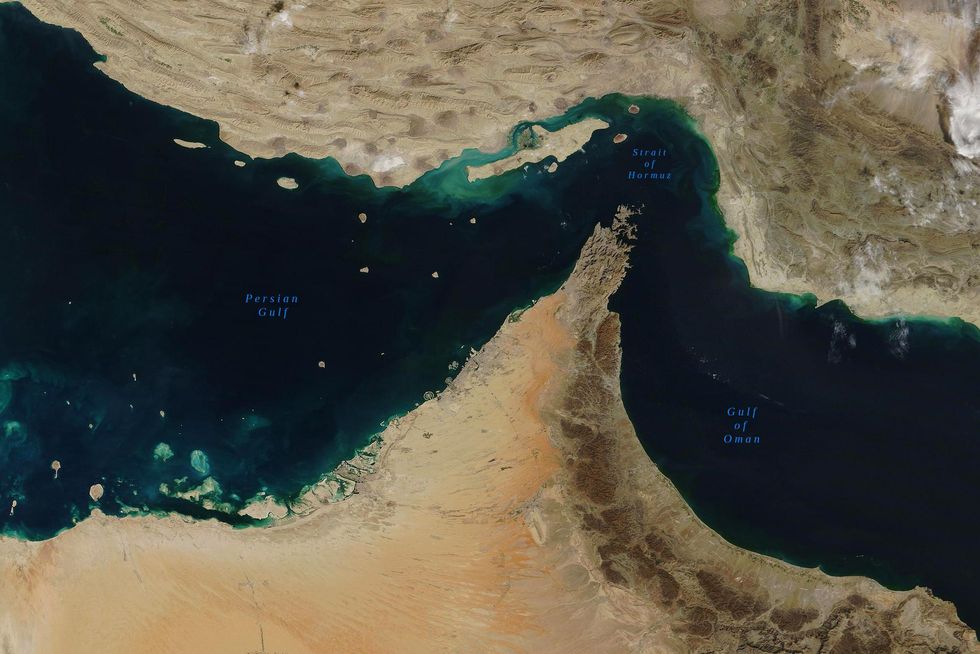
Why it matters: Iran's de facto control over the Strait of Hormuz will impose tolls and restrictions on global shipping, impacting trade for U.S. and allied vessels.
- French President Emmanuel Macron stated that a military solution to open the Strait of Hormuz was "unrealistic" and never supported, highlighting the high risks and low odds of success.
- Iran has imposed significant restrictions on transit through the Strait of Hormuz, targeting vessels linked to the U.S., Israel, or their allies, while permitting passage for ships from countries like China, Russia, and India.
- Iranian leaders view the strait not as a tool to end the current conflict, but as a permanent fixture for its aftermath, aiming to maintain de facto control through a "gray zone" scenario.
- A pending bill in the Iranian parliament on 'Strait Security Arrangements' seeks to formalize Iran's greater control over navigation safety, financial arrangements, and toll regulations, despite the Strait of Hormuz being an international strait under UNCLOS.
- The U.S., Israel, and Iran are not parties to UNCLOS, complicating the legal landscape as Iran explicitly rejects the transit passage regime, which generally prohibits tolls for mere passage through international straits.
The ongoing U.S.-Israeli conflict with Iran has shifted focus to the Strait of Hormuz, where Iran has imposed significant transit restrictions, demonstrating its economic leverage. This move, supported by a broad Iranian consensus, is seen by Tehran not as a temporary wartime measure but as a strategy to secure long-term control over the vital waterway, despite international legal complexities.