Hormuz now more leverage for Iran than missiles or nuclear program
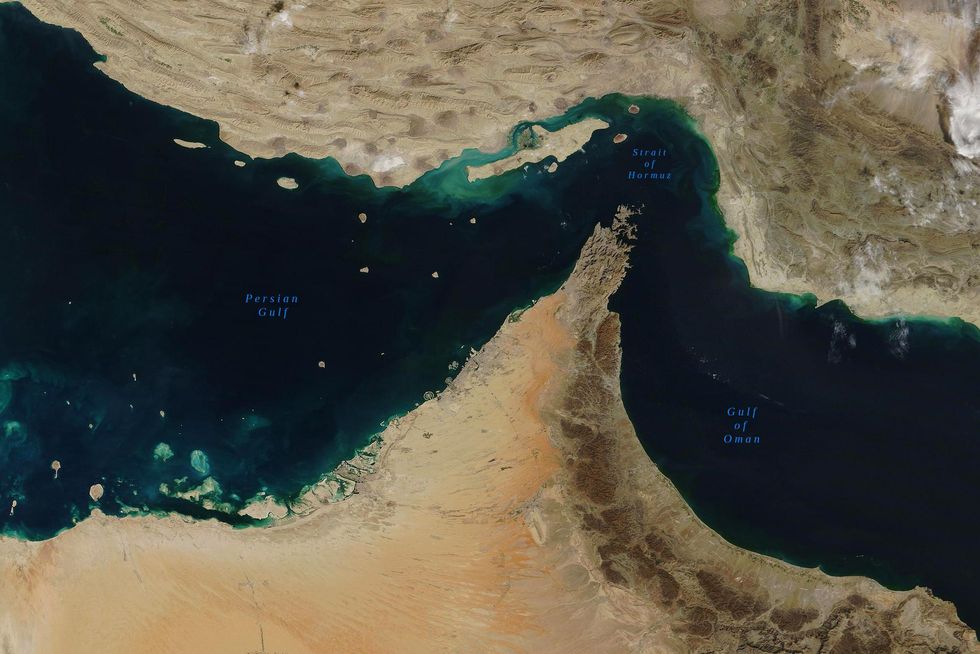
Why it matters: Iran's actions in the Strait of Hormuz could permanently alter global maritime trade for nations like China, Russia, and India.
- Iran has imposed significant restrictions on transit through the Strait of Hormuz and targeted several vessels, demonstrating its economic leverage.
- French President Emmanuel Macron stated that a military solution to open the Strait of Hormuz was never a supported option due to its unrealistic nature.
- Iranian officials are looking to turn their tactical victory in controlling the strait into long-term leverage, aiming for de facto control even in a 'gray zone' of neither full peace nor open war.
- A bill on 'Strait Security Arrangements' is pending in the Iranian parliament, seeking to formalize greater Iranian control over navigation safety, financial arrangements, and toll regulations, though this conflicts with international law.
- The Strait of Hormuz is recognized as an international strait under the UNCLOS, which generally prohibits tolls for mere passage and upholds the principle of 'transit passage,' though the U.S., Israel, and Iran are not parties to this convention.
The ongoing U.S.-Israeli conflict with Iran has shifted focus to the Strait of Hormuz, which Iran has leveraged by restricting transit and targeting vessels, demonstrating its significant economic power. This move, supported by a broad Iranian political consensus, aims to establish permanent control over the strait, despite international law challenges and the U.S. and Israel not being parties to UNCLOS.