Haneda trials $4,900 Chinese humanoids for baggage handling — SkimNews

Get the Tech newsletter
Daily tech — startups, AI labs, chips, the launches that shape the next decade. Free.
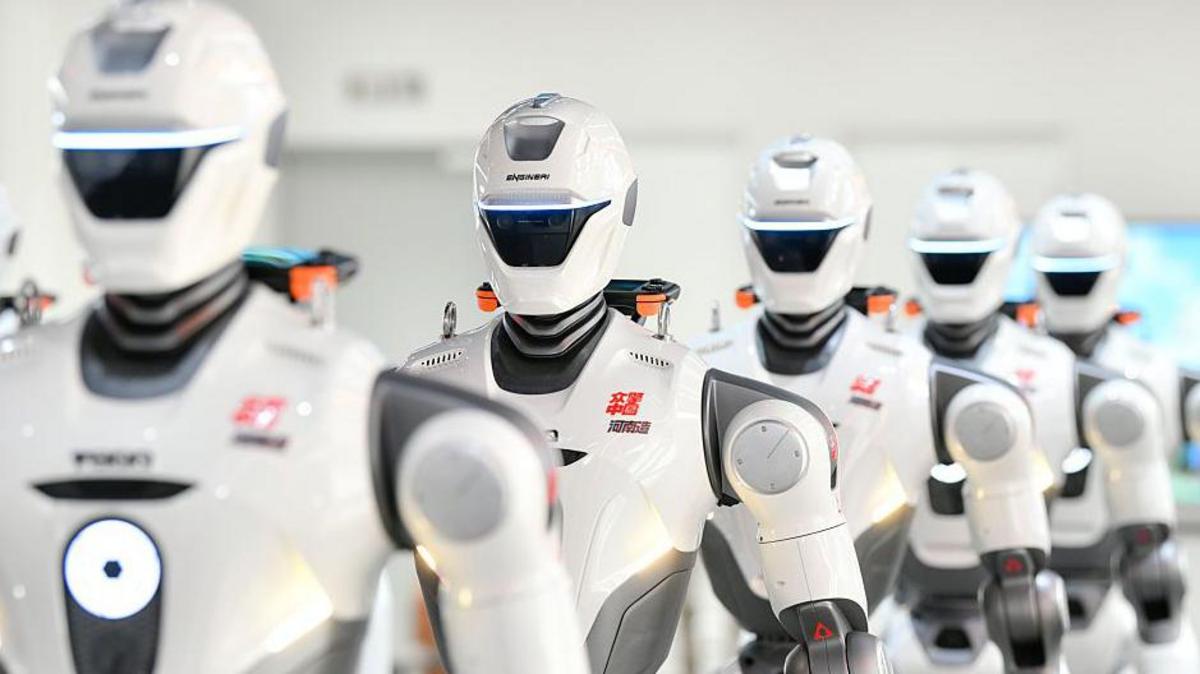
- Haneda Airport will trial 130cm-tall Unitree humanoid robots for baggage loading in May 2026, after the same models demonstrated pushing cargo in April 2026 media demos at the Tokyo hub.
- Unitree's humanoids cost roughly $4,900 per unit — described in the piece as the most affordable humanoid on the market per Forbes — a fraction of a single foreign worker's annual wage in Japan, which the author argues makes the purchasing decision a matter of business survival rather than geopolitics.
- Japan faces an acute labor crunch after welcoming a record 42.7 million inbound tourists in 2025 and an additional 7 million in the first two months of 2026 alone, with official estimates projecting a need for 6.5 million foreign workers by 2040 even as the government faces political pressure to tighten immigration.
- A Singapore Changi viral video of a ground handler 'violently' hurling suitcases in April 2026 — paired with the January Changi Terminal 5 robot exhibition — provided what the author calls the 'uncurated reality' that motivated Haneda's humanoid pilots.
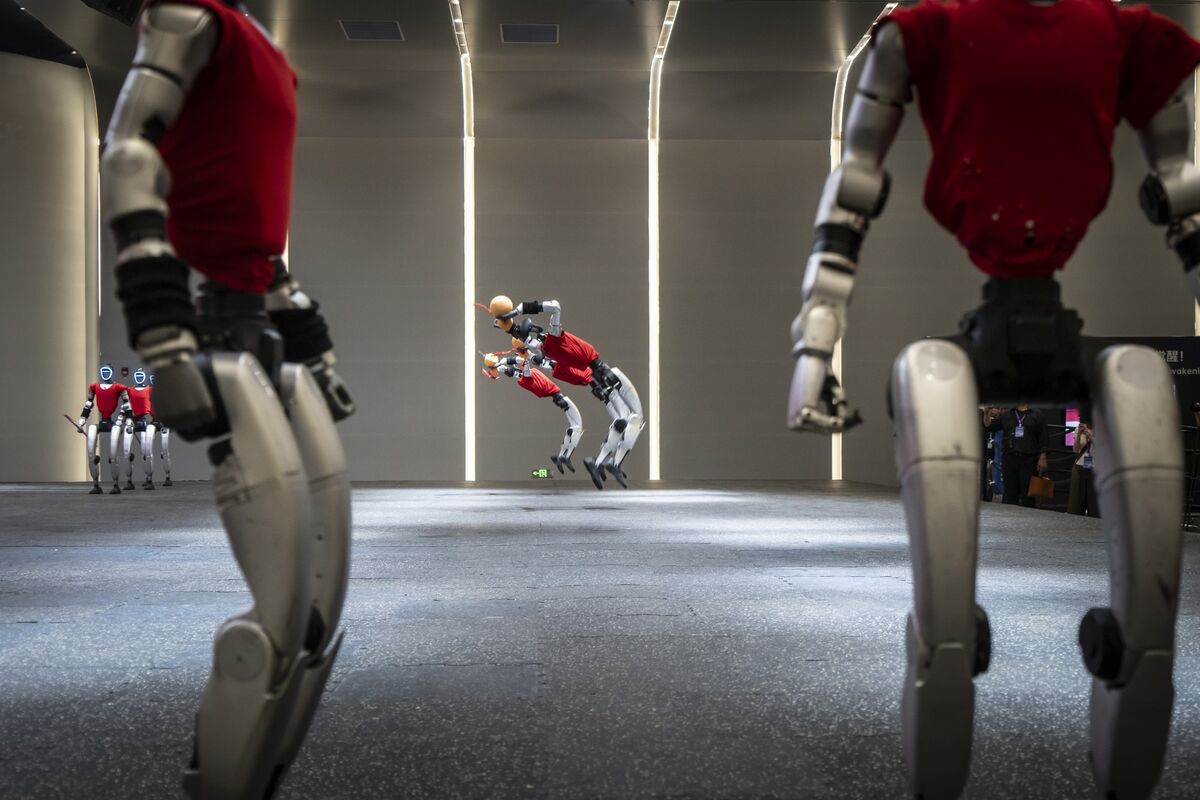
- On April 19, 2026, a humanoid outran humans in a Beijing half-marathon, a result the author frames as evidence that Unitree's 'Drunken Fist' dynamic-balancing work has shifted from kung-fu spectacle to deployable endurance.
- Following the Haneda baggage trials, the robots are slated to expand into aircraft cabin cleaning, with the piece projecting the same demographic-pressure logic will eventually reach elderly care and agriculture across aging Asia.
Why it matters: Japan's choice of a roughly $4,900 Chinese robot over another migrant worker shows the country's demographic arithmetic has become more binding than its 'economic security' doctrine. If the Haneda trials hold, the same logic pushes Chinese humanoids into cabin cleaning, eldercare, and agriculture — making de-risking rhetoric the first casualty of an aging society's labor math.
Ask SkimNews