Pancreatic Cancer Drug Called Biggest Care Shift in Decades — SkimNews

Get the Health newsletter
Daily health & science — research, biotech, public health, the studies worth knowing. Free.
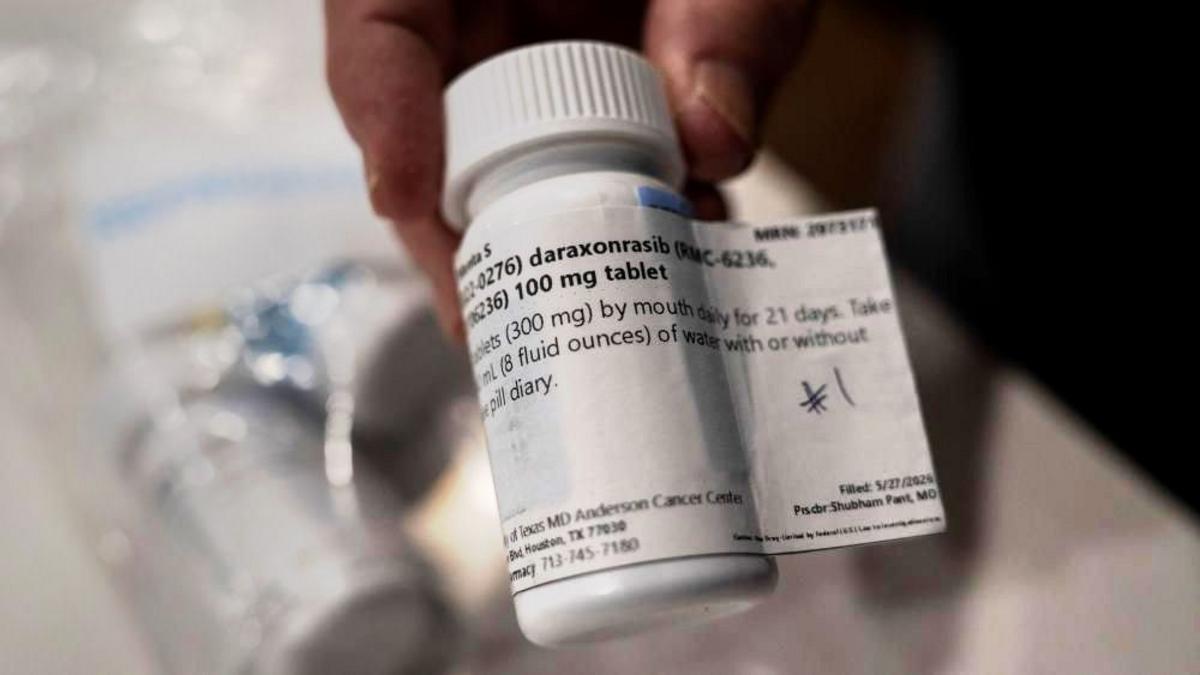
- A new pancreatic cancer drug prompted a London conference — originally organized as a counterpart to a regular U.S. meeting — to hastily add a panel focused on it, after the medicine's recent clinical trial performance was described as the biggest shake-up in pancreatic cancer care in decades.
- Talia Golan, an oncologist at Israel's Sheba Medical Center, spoke on the hastily-added panel, telling attendees the drug's recent clinical trial performance ranks alongside other cancer treatment milestones such as the arrival of the first checkpoint inhibitors.
- Conference organizers had originally intended the London meeting to give international scientists and doctors a forum to discuss the latest developments in the specialty before the drug news reshaped the agenda.
- Golan described the moment in cancer treatment as one where the field recognizes a pivotal advance, likening the drug's performance to historic inflection points in oncology.
Why it matters: Pancreatic cancer has long been one of the deadliest and hardest-to-treat malignancies, and the source characterizes this drug as the most significant development in the field in decades. If Golan's comparison to checkpoint inhibitors holds up, it would represent a rare systemic-therapy advance for a cancer with few effective options — but the article is paywalled, so trial details, drug name, and patient outcomes remain behind the subscription wall.
Ask SkimNews