Bacterial 'docking domains' unlock cancer drug engineering — SkimNews
SkimNews Take
Docking domains essentially make bacterial drug assembly modular, reframing future discovery as a combinatorics problem where the bottleneck becomes how systematically researchers can test enzyme pairings rather than finding new chemistry.
Get the Health newsletter
Daily health & science — research, biotech, public health, the studies worth knowing. Free.
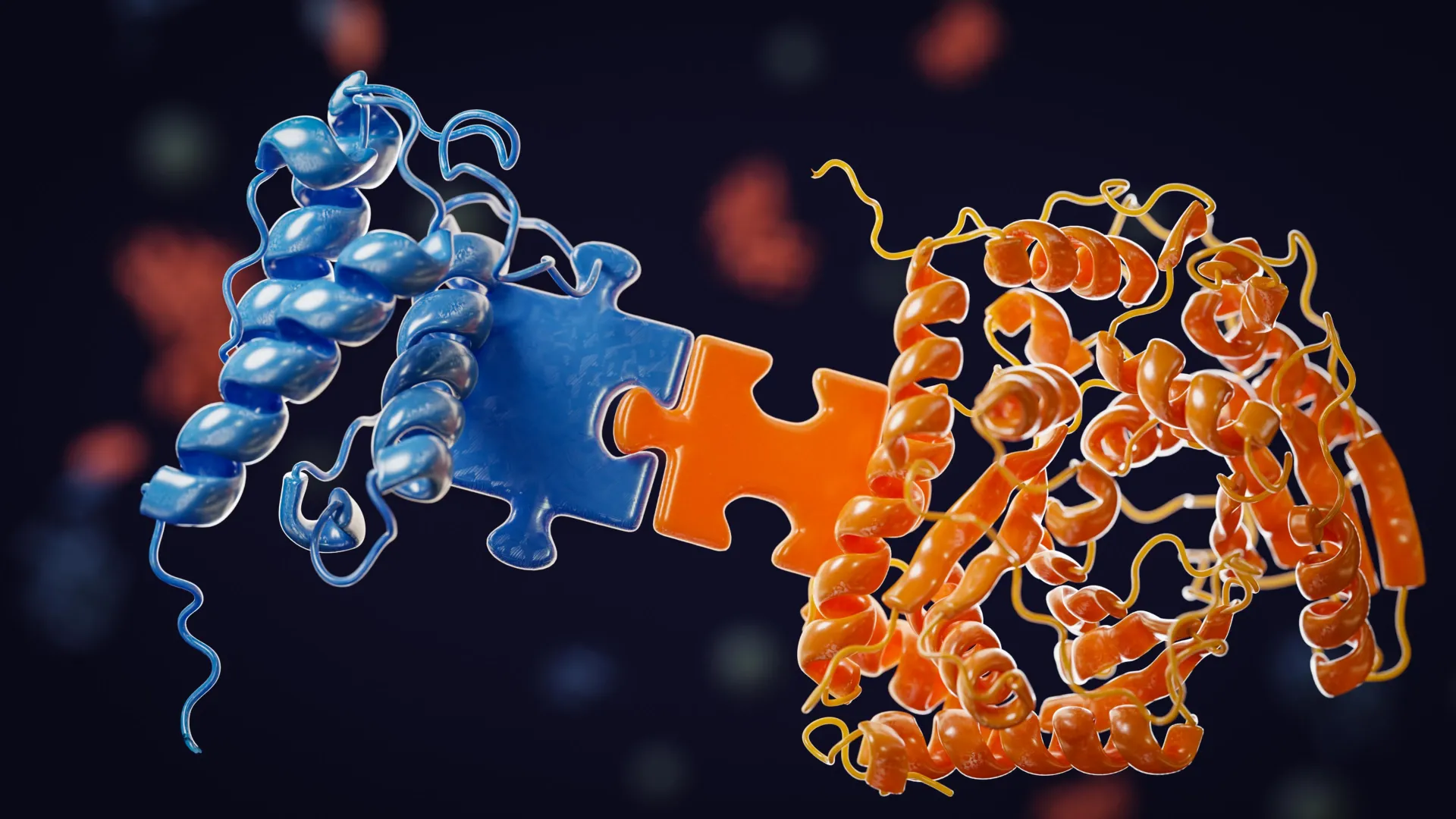
- University of Warwick researchers identified small molecular regions called 'docking domains' that act as connectors between core drug-building machinery and accessory enzymes, explaining how bacteria naturally produce multiple variants of HDAC inhibitor anti-cancer drugs.
- The study, published in Nature Communications, was led by first author Dr. Munro Passmore and Prof. Greg Challis (Monash Warwick Alliance Professor of Sustainable Chemistry) and focuses on depsipeptide HDAC inhibitors including Romidepsin (Istodax), an FDA-approved treatment for T-cell lymphomas.
- Researchers pinpointed the biosynthetic gene cluster for the related compound FR-901375 in Pseudomonas chlororaphis subsp. piscium — a pathway that had remained unidentified for decades despite the molecule being known since the 1990s.
- The team combined AlphaFold computational modeling, site-directed mutagenesis, gene deletion studies, intact protein mass spectrometry, and bioinformatic database searches to map the docking-domain interaction sites and confirm their functional importance in vivo.
- Prof. Greg Challis said the discovery provides a 'blueprint' to reverse-engineer nature's evolutionary logic and design synthetic pathways that generate new anti-cancer candidates with improved potency, selectivity, and fewer side effects.
- Comparative analysis showed the docking-domain connection point is evolutionarily conserved across multiple HDAC inhibitor-producing bacteria, suggesting the system arose through gene duplication and recombination over time.
Why it matters: Combinatorial biosynthesis — engineering drug variants by recombining bacterial enzymes — has been a goal for decades but stalled because no one understood the molecular handoff between enzymes. This study hands drug developers a working blueprint (the docking-domain mechanism) to design synthetic pathways producing new HDAC inhibitor candidates with optimized clinical properties, potentially expanding options for T-cell lymphomas and other cancers where current treatments fall short.
Ask SkimNews