European allies tell Trump ‘nein,’ ‘non’ and ‘no’ on help to force open Hormuz Strait
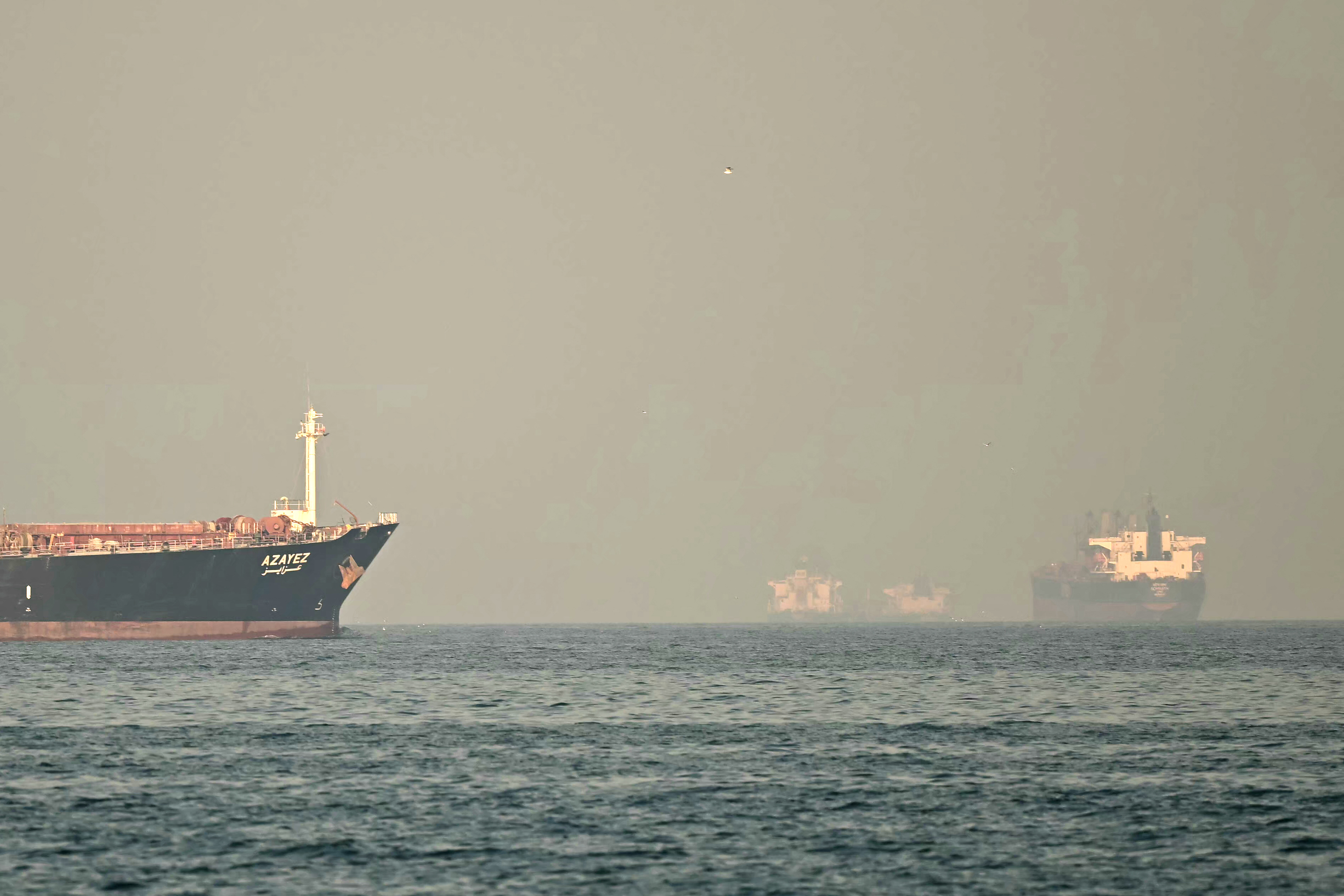
Why it matters: A clash over Hormuz could reshape NATO‑U.S. ties and destabilize global energy routes.
- European NATO allies reject Trump’s proposal for a U.S.-led Hormuz Strait coalition (Axios, NYT).
- President Trump links NATO participation and Ukraine aid to the deployment of warships in Hormuz, framing it as a security imperative (original story).
- Iran warns its nuclear doctrine will stay steady but calls for a new diplomatic protocol to manage Hormuz traffic, signaling reluctance to escalation (The Hindu).
- The United States continues to protect shipping in Hormuz but faces divergent views on whether military presence or negotiated rules should dominate (NYT World).
European allies pushed back against President Trump’s push to marshal NATO warships into the Strait of Hormuz, arguing the move would entangle the alliance in a new flashpoint. While Trump ties NATO aid and Ukraine support to the Hormuz initiative, most European leaders and Iran stress that a broader diplomatic protocol—not a military coalition—is needed to keep the vital waterway open.