Squeezed between hostile powers, Turkey tries playing it cool
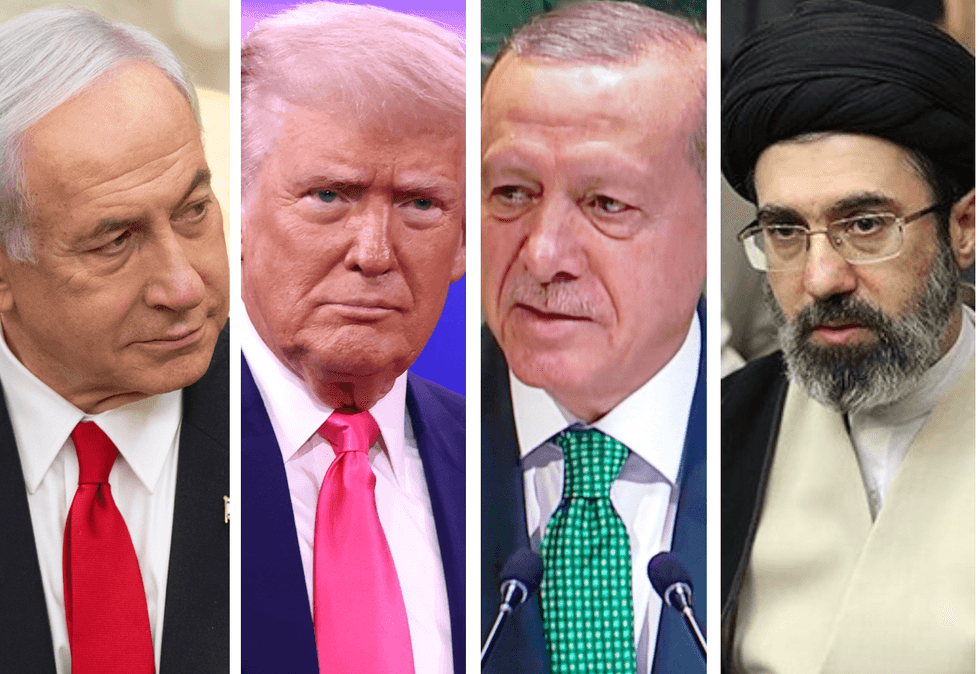
Why it matters: Turkey's delicate balancing act is crucial for regional stability, preventing wider conflict and managing ethnic tensions.
- Turkey has been a vocal proponent of diplomacy over war, lobbying the Trump administration alongside GCC states to de-escalate tensions with Tehran prior to the conflict.
- Turkish President Recep Tayyip Erdogan condemned U.S. and Israeli strikes as violations of Iran's sovereignty and offered condolences for Supreme Leader Ali Khamenei's death, while also criticizing Tehran for misjudging Washington's mood and denouncing Iran's attacks on GCC states.
- Turkey's underlying goal is to preserve Iran's territorial integrity, fearing that instability could spark a refugee crisis and empower militant Kurdish groups like PJAK, which is linked to Turkey's enemy, the PKK, as explained by former U.S. ambassador Matthew Bryza.
- Ankara was reportedly infuriated by leaked reports of potential U.S. sponsorship for an armed Kurdish rebellion in Iran, leading Turkish Foreign Minister Hakan Fidan to warn against instrumentalizing ethnic separatism, though he later expressed satisfaction with U.S. assurances against such actions.
Caught between escalating U.S.-Israeli conflict with Iran, Turkey is meticulously navigating a path of neutrality, advocating for diplomacy while condemning both sides' actions. Ankara, having accurately predicted widespread fallout from initial strikes, is now focused on maintaining regional stability and preventing Iran's fragmentation, which could fuel ethnic separatism within its own borders.