Israel airstrikes kill 250+ in Lebanon, risk ceasefire — SkimNews

SkimNews Take
The ceasefire's narrow scope leaves it exposed: by carving Lebanon out of the original terms, any progress between Washington and Tehran can be undone by strikes on a track the agreement doesn't formally cover.
Get the Geopolitics newsletter
Daily geopolitics — wars, elections, sanctions, the diplomatic moves that move markets. Free.
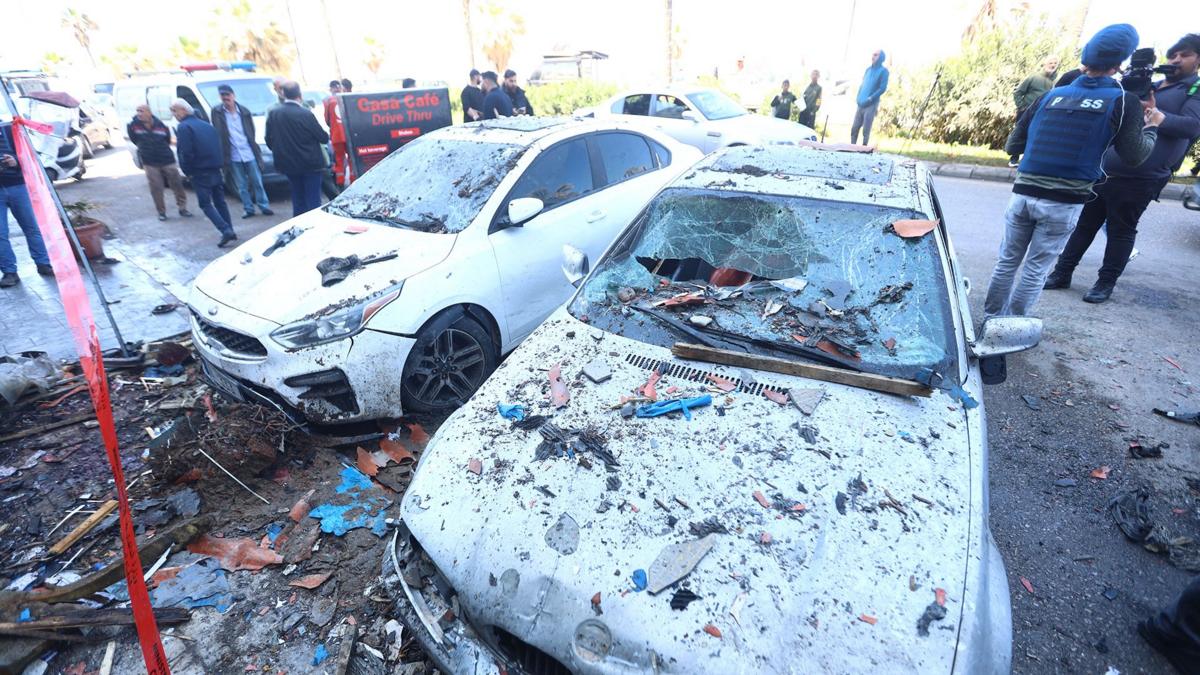
- Israeli army launched a wave of air attacks on Lebanon on Wednesday, killing at least 254 people and wounding 1,165, according to Lebanon’s civil defence.
- Israel said it also killed an aide to Hezbollah chief Naim Qassem in the same attacks.
- Pakistani Prime Minister Shehbaz Sharif announced that the US‑Iran ceasefire included a halt to attacks on all fronts, explicitly mentioning Lebanon.
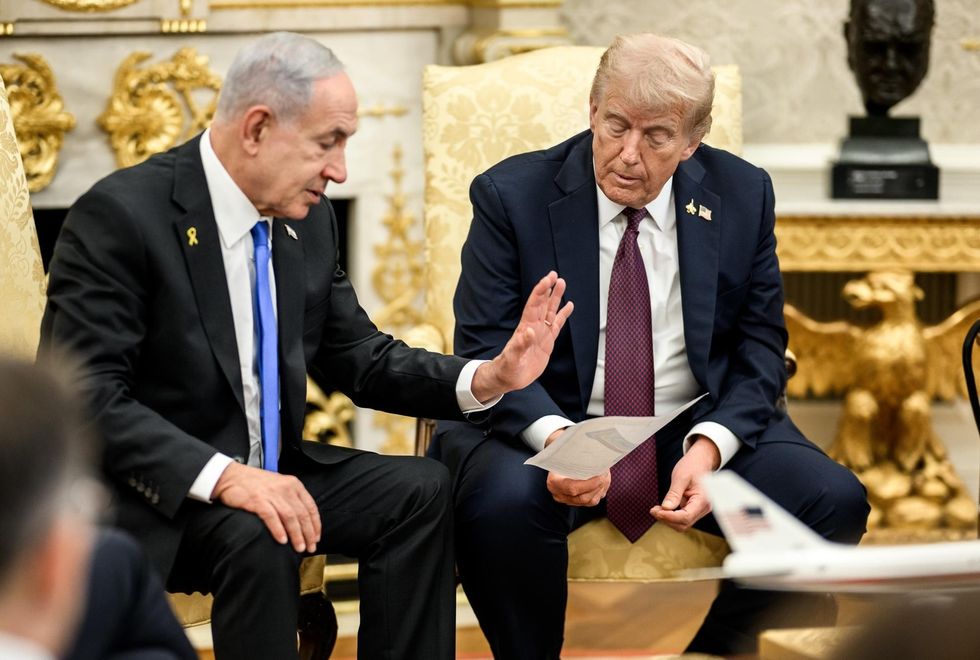
- U.S. President Donald Trump clarified that the Israeli strikes on Lebanon were a separate skirmish and not covered by the ceasefire.
- U.S. Vice President JD Vance warned Iran it would be “dumb” to jeopardize talks over Lebanon, emphasizing the ceasefire’s exclusion of Lebanon.
- United Nations human rights chief Volker Turk called the destruction in Lebanon “horrific,” and UN chief Antonio Guterres said the ongoing military activity poses a grave risk to the US‑Iran ceasefire.
- International leaders including Qatar, Egypt, Turkey, Spain, France, the UK, the EU, Italy and Germany condemned the Israeli attacks and called for Lebanon’s inclusion in the ceasefire.
Why it matters: The attacks, which killed more than 250 civilians and displaced over 1.2 million, devastate Lebanon’s population and strain the fragile US‑Iran ceasefire, forcing Tehran to confront a weakened ally and pressuring Washington to either broaden the truce or risk losing credibility with regional partners amid widespread condemnation.
Ask SkimNews