Iran-Israel war LIVE: Iran calls for human chains around power plants as Trump's 'deadline' approaches
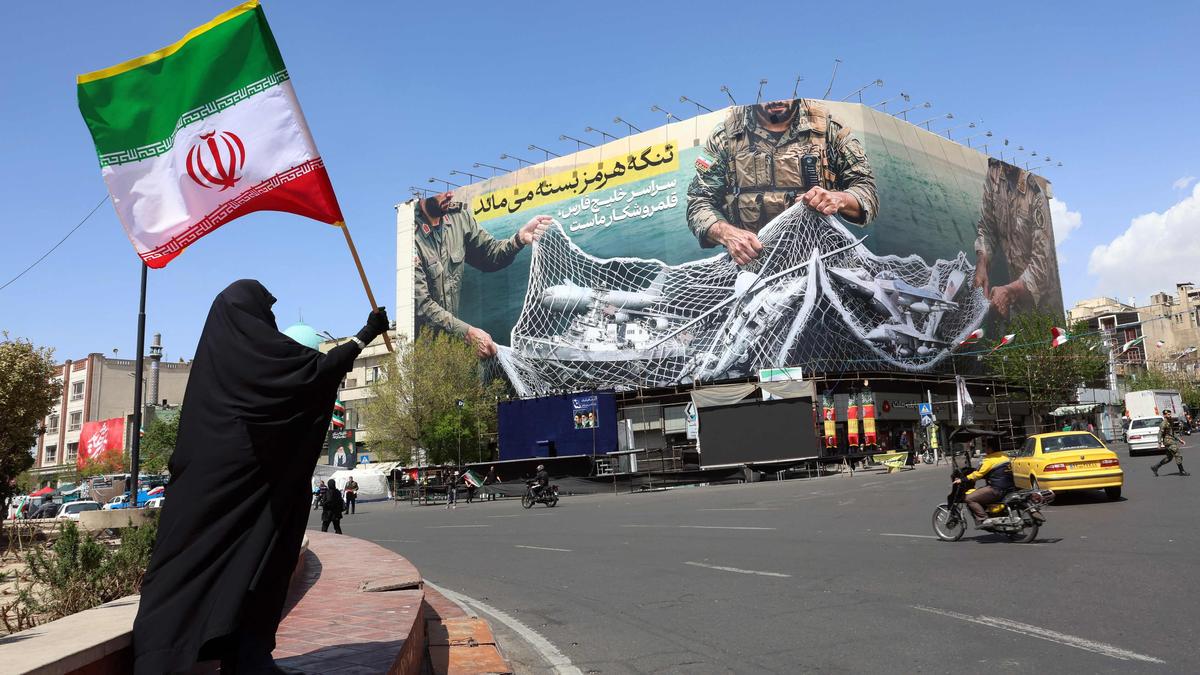
Why it matters: Trump's deadline for Iran to reopen the Strait of Hormuz is imminent, with Iran rejecting a ceasefire.
- Iran is urging youths to form human chains around power plants to protect them amidst escalating airstrikes (Live updates).
- Airstrikes across Iran killed at least 15 people, while Iran fired on Israel and Saudi Arabia, leading to a major bridge closure (Live updates).
- U.S. President Donald Trump's deadline for Iran to reopen the Strait of Hormuz is drawing closer with no sign of a diplomatic breakthrough (NYT World, Live updates).
- Iran rejected the latest ceasefire proposal, instead demanding a permanent end to the war, with the IRGC stating the Strait of Hormuz will never return to its previous status due to "irreversible strategic changes" (Live updates).
- Islamabad's efforts to stop the war are approaching a "critical, sensitive" stage, according to Iran’s Ambassador to Pakistan (Live updates).
- The UN Security Council is set to vote on a resolution addressing Iran’s threats to the Strait of Hormuz (Live updates).
- The Israeli military advised people in Iran not to use trains, citing danger near railway lines (Live updates).
- The Iran war has fractured Indonesia-Iran ties and is giving US Pacific allies a missile defense wake-up call (Asia Times).
- China is reportedly using Iran as a proxy lab for future AI warfare with the US (Asia Times).
As a critical deadline set by U.S. President Donald Trump for Iran to reopen the Strait of Hormuz approaches, escalating airstrikes across Iran have killed at least 15 people, while Iran retaliated against Israel and Saudi Arabia, prompting an urgent call for human chains around power plants. Despite Islamabad's "positive and productive" peace efforts reaching a "critical, sensitive" stage, Iran has rejected a ceasefire, with its IRGC declaring "irreversible strategic changes" to the Strait, signaling a deepening conflict that has fractured international ties and is prompting a missile defense wake-up call for US Pacific allies.


