Israel‑Lebanon Ceasefire Starts, US, Pakistan Mediate
Get the Geopolitics newsletter
Daily geopolitics — wars, elections, sanctions, the diplomatic moves that move markets. Free.
- Israel and Lebanon began a 10‑day ceasefire on Friday, pausing fighting between Israeli forces and Hezbollah militants in southern Lebanon.
- President Trump announced the truce, coordinated calls with Israeli Prime Minister Benjamin Netanyahu, Lebanese President Joseph Aoun, and Secretary of State Marco Rubio, and invited the two sides to the White House for “first meaningful talks” since 1983.
- Hezbollah warned it would respond to any Israeli strikes, while the U.S. State Department said Israel reserves the right to defend itself “at any time” but would not conduct offensive operations against Lebanese targets.
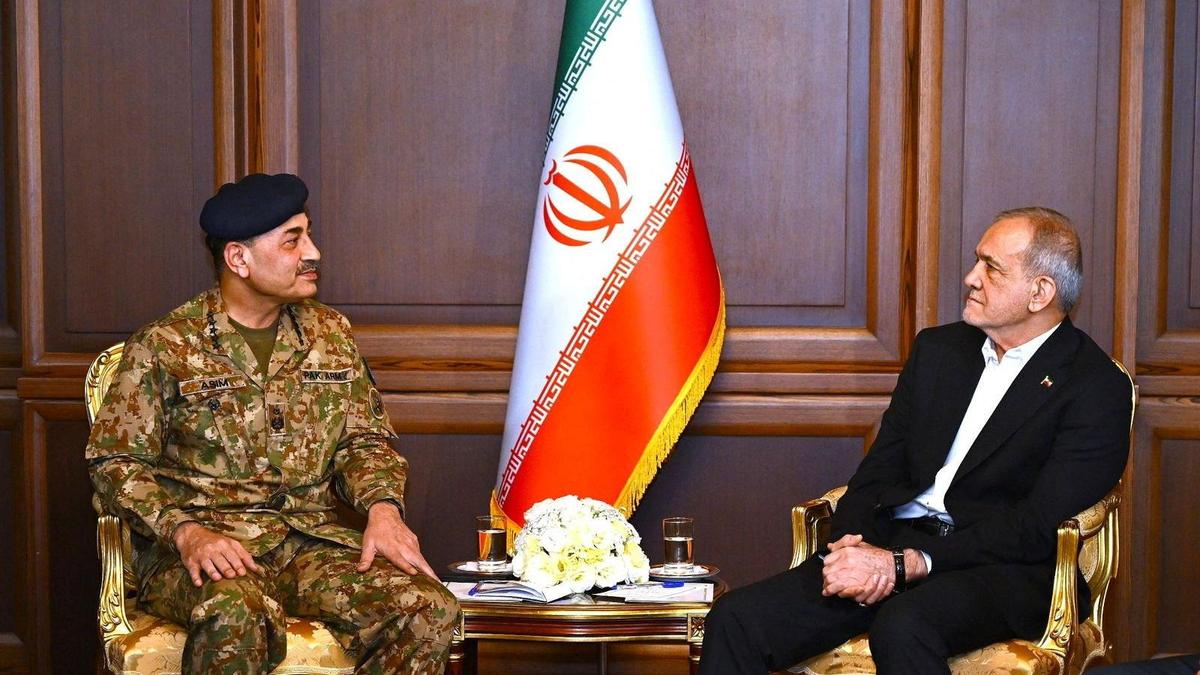
- Gen. Asim Munir met Iranian Parliament Speaker Mohammad Bagher Qalibaf in Tehran to press for an extension of the ceasefire that has paused nearly seven weeks of war between Israel, the United States and Iran.
- U.S. naval blockade of Iranian ports continues, and Iran’s joint military commander Ali Abdollahi threatened to halt regional trade if the blockade is not lifted, highlighting ongoing tension despite the ceasefire.
- Mediators are focusing on three sticking points—Iran’s nuclear program, the Strait of Hormuz, and compensation for wartime damages—to try to secure a longer‑term settlement.
- Displaced civilians—about 1 million people—remain unable to return to their homes in Lebanon, with families moving toward southern suburbs despite warnings to stay put until the ceasefire’s durability is confirmed.
Why it matters: The ceasefire temporarily halts fighting, allowing displaced Lebanese to consider returning and giving the United States a diplomatic opening, but Israel retains the right to strike and Iran’s blockade threatens regional trade, meaning civilians gain safety while militaries and economies remain under pressure.