Over 900,000 people flee in China as typhoon lashes Taiwan, Japan islands — SkimNews
Get the Energy newsletter
Daily energy & climate — solar, EVs, oil, the policy fights and tech bets shaping the transition. Free.
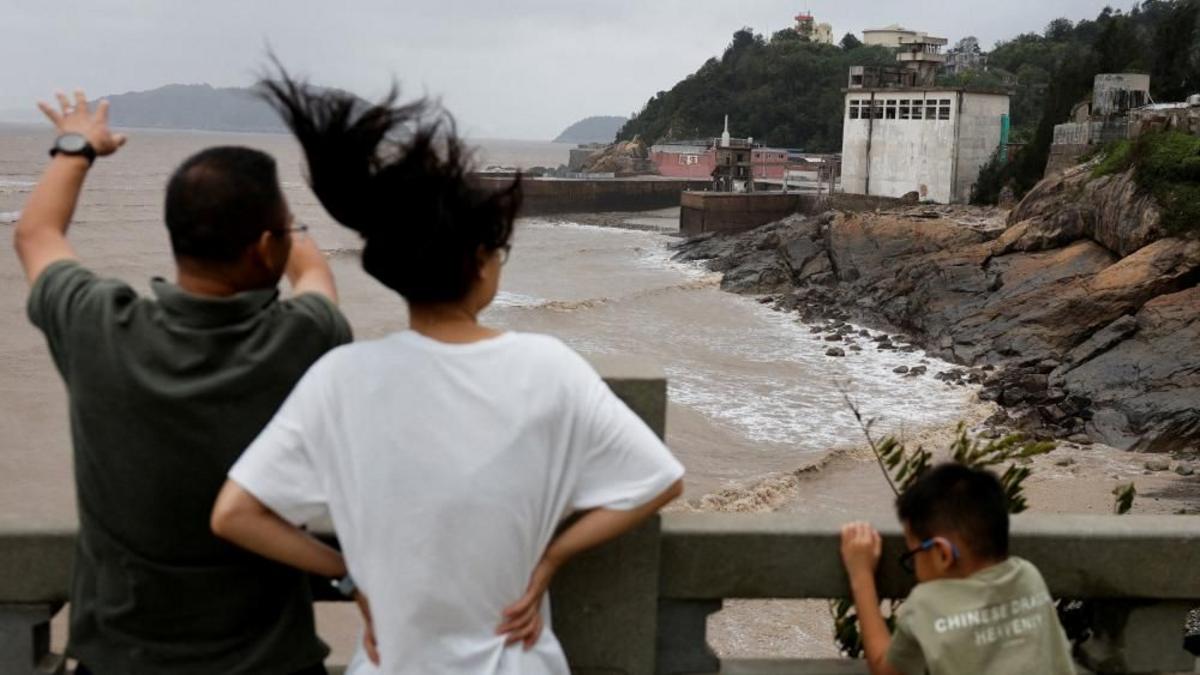
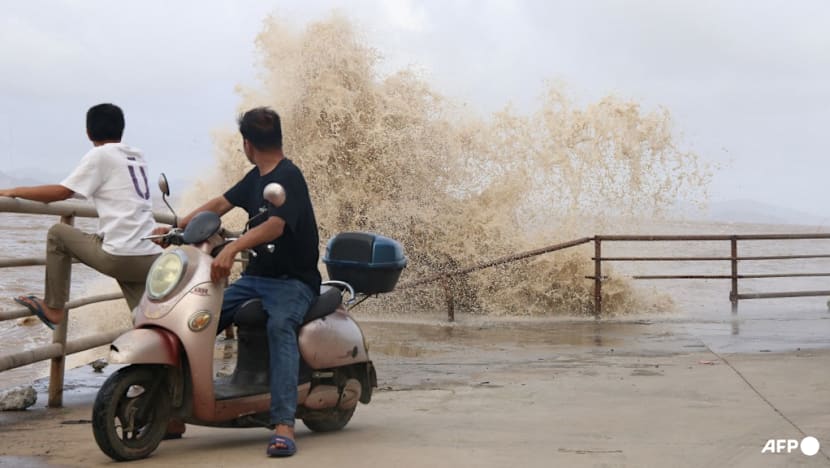
- Wenzhou evacuated 887,801 residents by late Friday ahead of Typhoon Bavi's Sunday landfall, part of over 900,000 total evacuations across eastern China including more than 100,000 prompted by torrential rain further north.
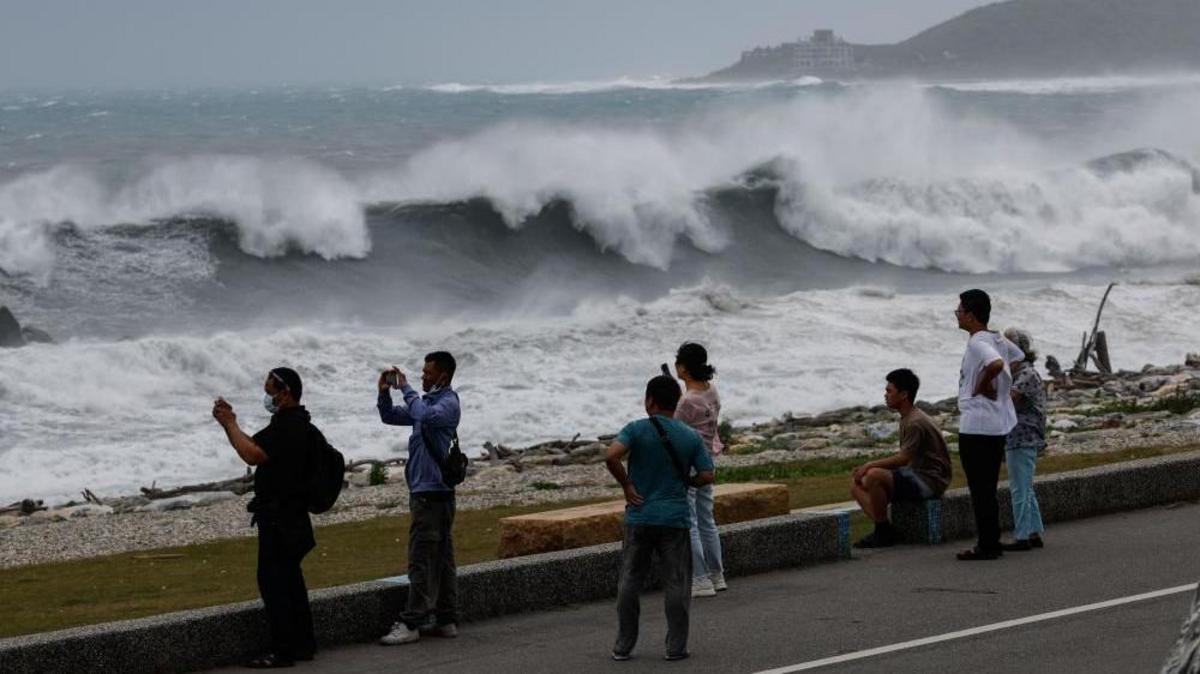
- Taiwan evacuated 14,000+ people, cancelled hundreds of flights, and left 170,000+ households without power as the storm battered northern areas including the port city of Keelung.
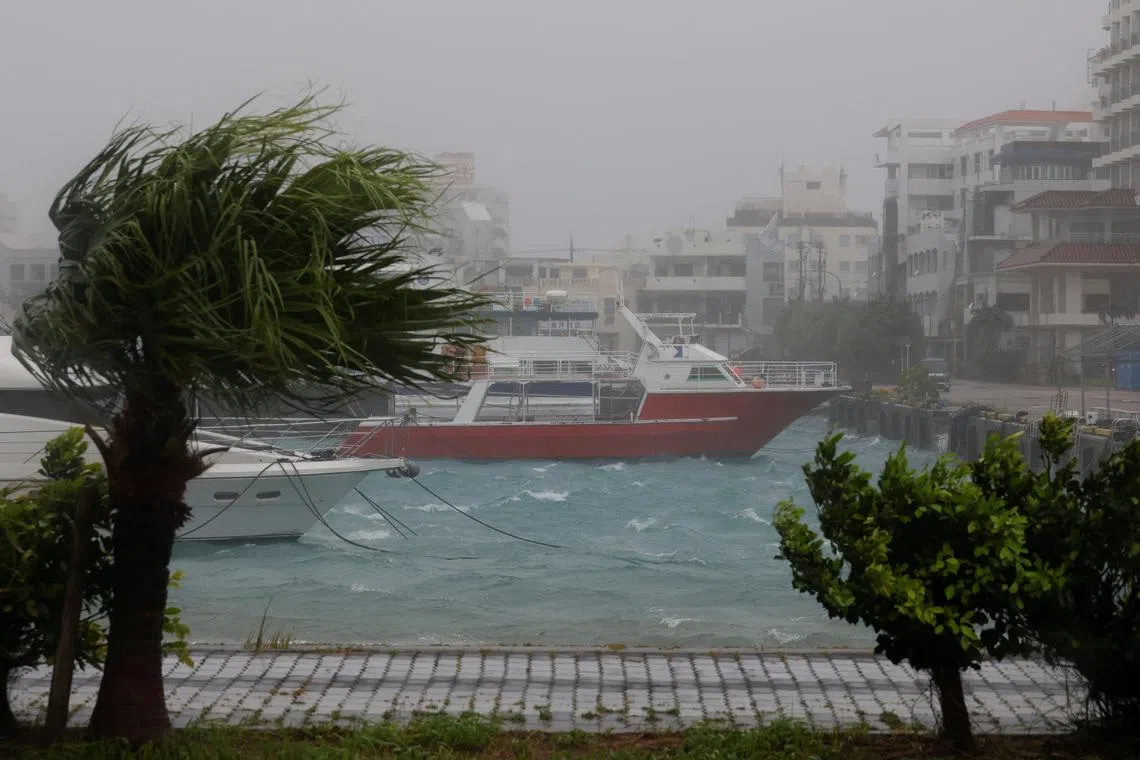
- Japan's Okinawa islands lost power across 18,000+ households and facilities, with Miyako hit hardest and Japanese airlines cancelling dozens of flights that affected 26,000+ passengers.
- The Philippines reported its Typhoon Bavi death toll rose to 18 — most on the southern island of Mindanao — with nearly 11,000 displaced and 313 vessels sheltering in closed ports.
- Typhoon Bavi carried maximum sustained winds of 137 km/h with gusts to 173 km/h on Saturday after being downgraded from super typhoon status following its Monday strike on Guam and the Northern Mariana Islands.
- Earlier extreme weather in southern and central China killed at least 39 people this week, overflowing dozens of rivers and bursting a reservoir dam before Typhoon Bavi arrived.
- The EU's Copernicus Marine Service noted oceans recorded their hottest June on record, and the return of El Niño this year is adding moisture and intensity to tropical storms like Bavi.
Why it matters: Nearly 1 million Chinese evacuated before Typhoon Bavi makes landfall Sunday near Wenzhou — a city of nearly 10 million — while 170,000+ Taiwanese households sit without power and the Philippines death toll has hit 18. Combined with 39 earlier storm deaths in China this week, the regional toll shows Bavi's footprint now spans at least four countries and dozens of cancelled flights.
Ask SkimNews