US Launches AI Hunt for Chinese Transshipped Goods

Get the Geopolitics newsletter
Daily geopolitics — wars, elections, sanctions, the diplomatic moves that move markets. Free.
- China offered a trade truce last October after threatening to cut off rare-earth magnets to the US, and US imports from China have fallen 40% in the year to June 2025, though the US import bill is running higher than in 2024.
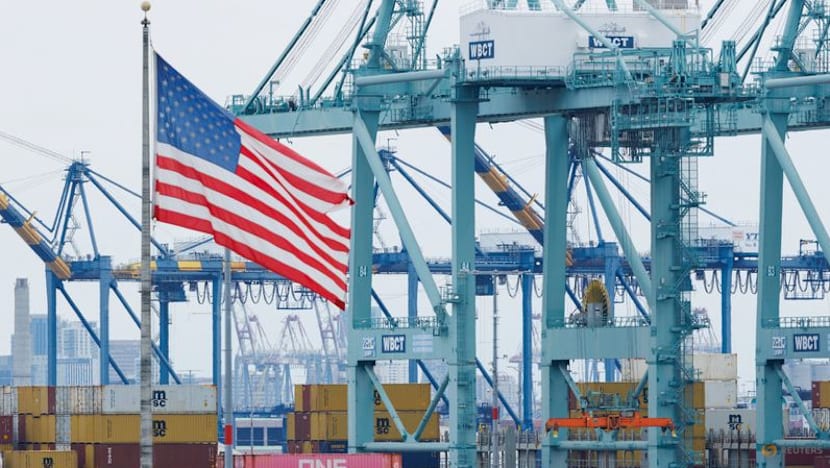
- The White House released "The Great Transhipment Scam" report finding $67bn of Chinese goods rerouted through Mexico, India, and Vietnam in 2025, and unveiled an AI-powered border "detective" to scan every bill of lading and shipping manifest.
- Trade adviser Peter Navarro cited the Commerce Department analysis on Chinese motors bolted to recliners imported from Vietnam, the kind of rerouting the new tool is designed to flag and punish.
- US manufacturing employment remains roughly at the same level as when Trump first took office, despite tariff efforts spanning two-and-a-half administrations over 10 years, the analysis notes.
- China's share of global manufacturing exports has risen from 3% to 20% since 1995, and its current account surplus equals roughly 5% of GDP, fueled by what the piece calls massive intervention to depress the yuan.
- Section 301 of the Trade Act gives the US authority to impose tariffs on countries that purposely undervalue their currency — a lever the piece argues Washington has avoided using against China directly.
- Historical precedent cited: The Plaza Accord weakened the dollar and reduced the US trade deficit with Japan, and China's surplus contracted sharply as the yuan appreciated after the 2008 global financial crisis; by contrast, the yuan's slide since 2023 has underpinned a rising external surplus.
Why it matters: The US has a direct, legally available tool — Section 301 currency authority — to press China on the undervalued yuan, which the piece identifies as a root driver of China's export dominance and global trade imbalances. Pushing transshipment through Mexico and Vietnam rather than the yuan itself is a less effective substitute: manufacturing employment has not recovered, the US import bill is higher than 2024, and China's exports keep growing despite tariffs.
Ask SkimNews