California's $7 Gas Spurs Trump Pipeline Reopening — SkimNews
SkimNews Take
By thinning local production and refining capacity, California has tied pump prices to stability in distant, geopolitically volatile suppliers—illustrating how rapid decarbonization without supply redundancy can convert climate risk into price-shock fragility.
Get the Energy newsletter
Daily energy & climate — solar, EVs, oil, the policy fights and tech bets shaping the transition. Free.
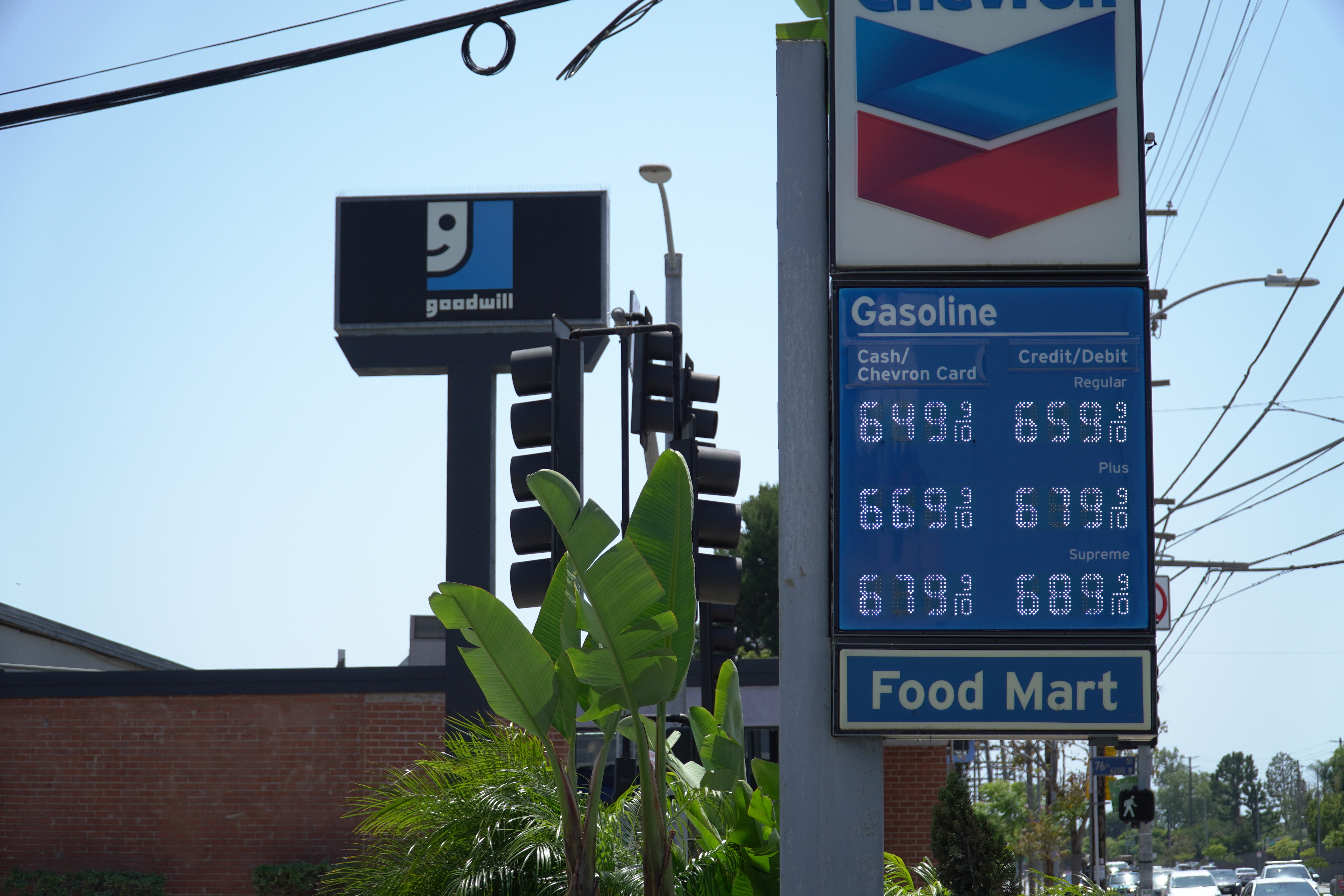
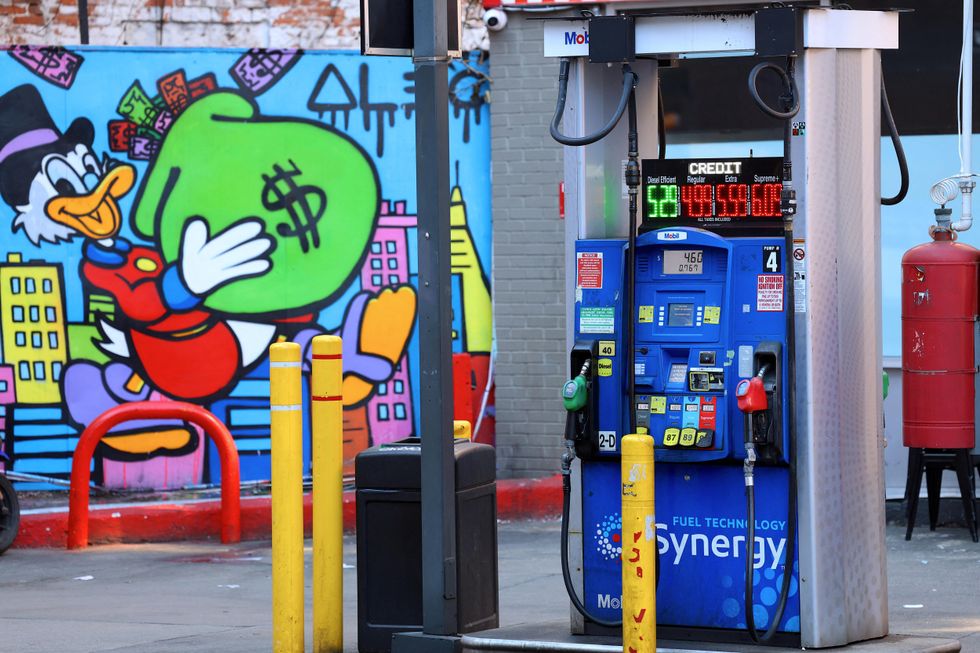
- California has cut gasoline consumption by ~15% and diesel by ~66% over 20 years while its economy grew to rival Japan and Germany's — but the state now imports almost two-thirds of its crude oil, and gas prices have spiked toward $7/gallon amid the Israeli-U.S. war with Iran.
- The Justice Department issued a memo arguing the Defense Production Act can preempt state law during energy emergencies, and Energy Secretary Chris Wright ordered the Sable Offshore pipeline — shut since a 2015 spill that killed hundreds of animals — reopened the very next day.
- The Sable pipeline is ramping up to process ~50,000 barrels/day (~3% of the state's daily needs); Chevron has committed to buying 20,000 barrels starting in April, while California has sued to shut it back down.
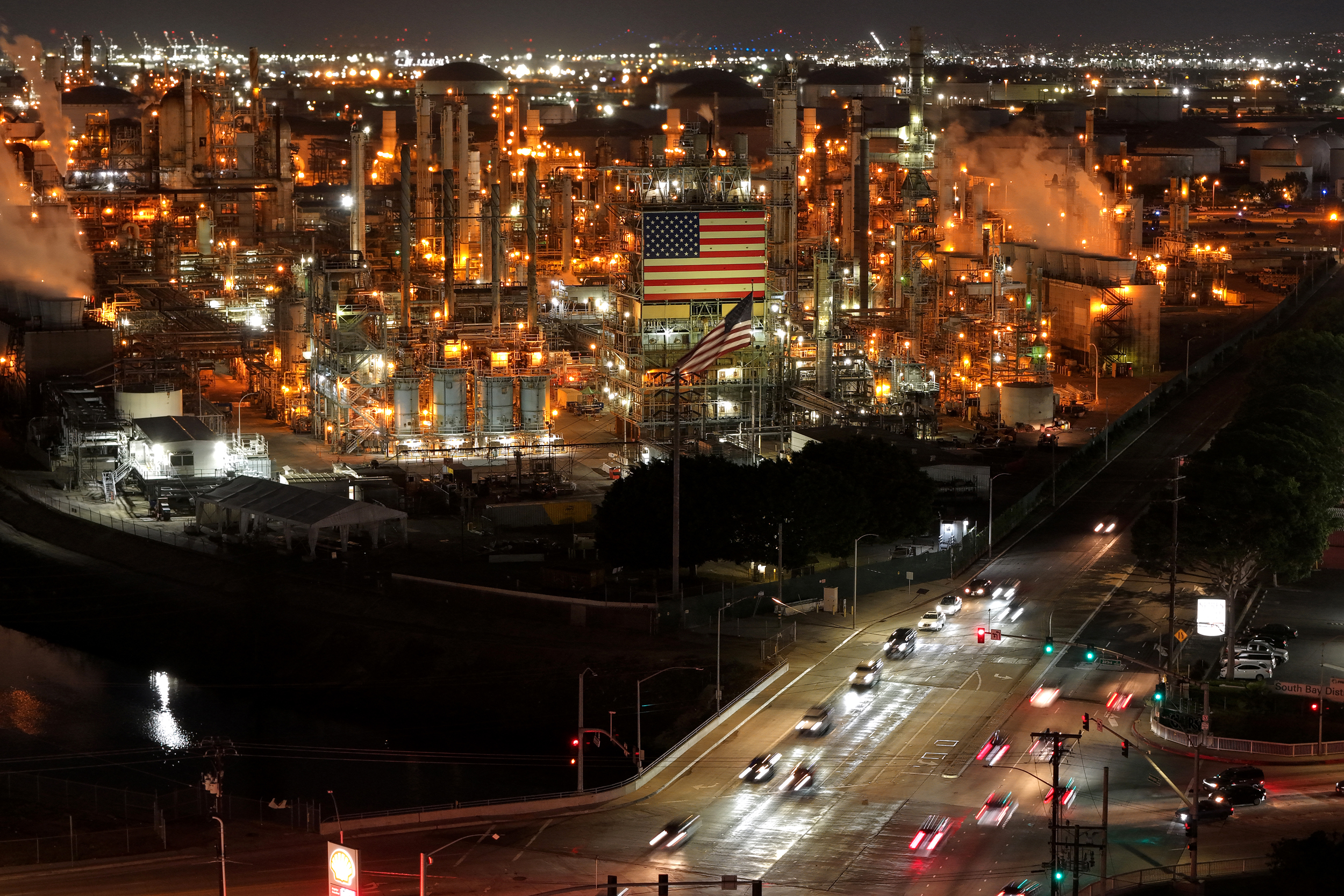
- Chevron executive Andy Walz warned the state could face gasoline and jet fuel shortages and said the company may close its own refineries within a decade — facilities that account for 30% of the state's refining capacity.
- The Trump administration is also considering a proposal to frack undersea oil wells, has held oil lease sales on federal California land, and has sued to block a state law limiting drilling near homes and schools.
- Environmental groups and Governor Newsom counter that the crisis underscores the case for accelerating the energy transition; Newsom's latest budget proposed a subsidy for first-time EV buyers to replace the repealed federal Inflation Reduction Act tax credits.
Why it matters: California's 20-year climate push left it importing two-thirds of its crude and paying $7/gallon, and the Trump administration is now using the Iran war to push through pipeline reopenings and drilling expansions. With Chevron warning 30% of refining capacity could close within a decade, the state faces a forced reckoning between energy security and its climate trajectory.
Ask SkimNews