Xi Vows 5,000 AI Training Slots, Forms New Global Body — SkimNews

Get the Tech newsletter
Daily tech — startups, AI labs, chips, the launches that shape the next decade. Free.
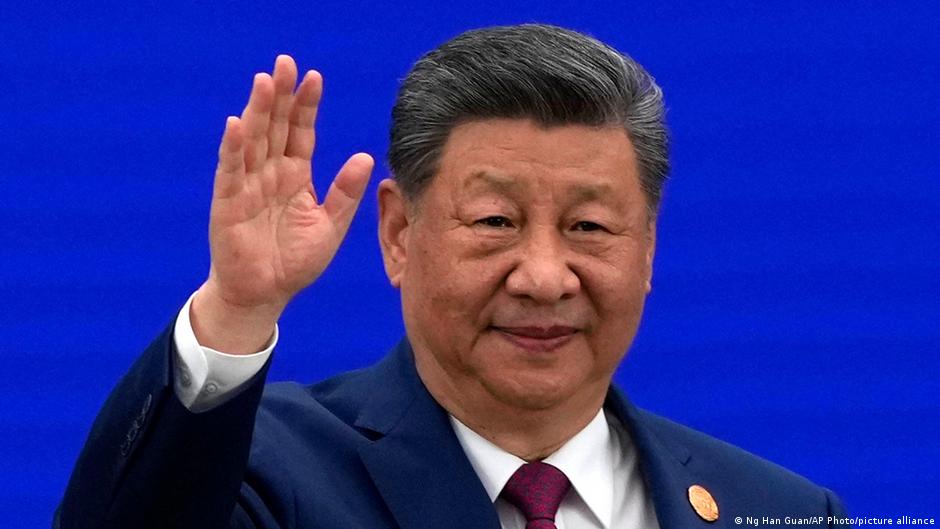
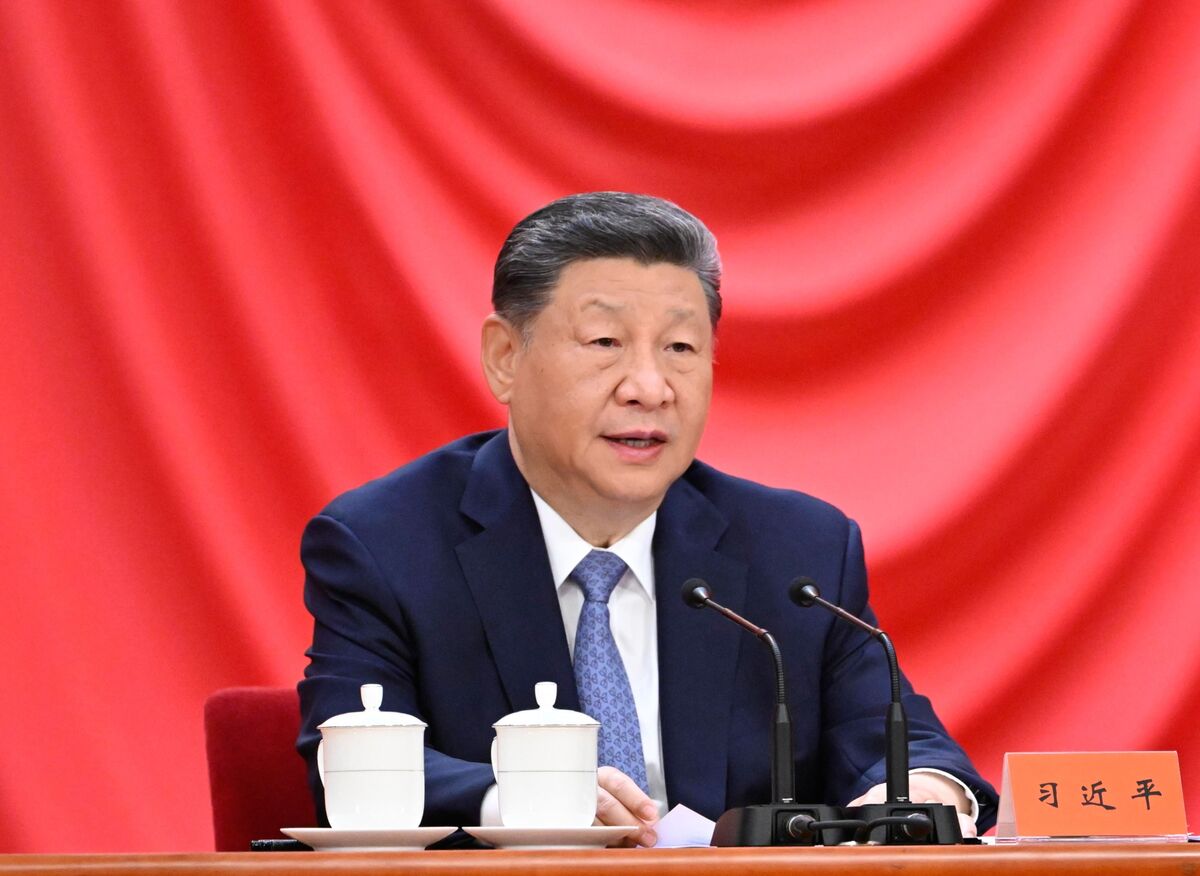
- Xi Jinping delivered China's AI leadership pitch at Shanghai's World Artificial Intelligence Conference on Friday — his first appearance at the event — calling for "extensive international co-operation" and warning that AI oversight must remain "precise and effective" to "forestall loss of control."
- Nearly 30 countries, including Russia, Brazil, and Indonesia, signed up to the new World Artificial Intelligence Cooperation Organization (WAICO), which Xi called "an important milestone in the history of AI development" and which gives Beijing leverage over international AI standard-setting.
- Xi announced 5,000 AI training and seminar opportunities for developing countries over the next five years, alongside new "international AI application co-operation centres," and told visiting Kazakh President Kassym-Jomart Tokayev that China would help Kazakhstan's digital transformation.
- Moonshot, a Chinese AI start-up, debuted a large language model on Thursday with capabilities approaching cutting-edge US labs such as Anthropic, as Chinese models increasingly compete with American rivals for global influence.
- DoorDash, Siemens, and Airbnb are among Western companies switching to Chinese AI models that are cheaper, increasingly capable, and easier to run on their own infrastructure.
- The Trump administration imposed export controls last month on Anthropic's Mythos and Fable models, then reversed the ban after a backlash from Silicon Valley and foreign governments — a whiplash that has pushed European businesses to weigh the risks of US tech dependence.
Why it matters: The WAICO launch and 5,000 training commitments convert rhetoric into a resourced Beijing-led AI bloc for the Global South at the precise moment US export-control reversals on Anthropic models have made Washington look like an unreliable partner. Western firms already defecting to Chinese models on price and infrastructure grounds show the competitive gap is closing commercially, not just diplomatically.
Ask SkimNews