Japan Secures Asia-Wide Defense Deals Despite China — SkimNews

Get the Geopolitics newsletter
Daily geopolitics — wars, elections, sanctions, the diplomatic moves that move markets. Free.
- China has repeatedly warned of resurgent Japanese "militarism" while most Asia-Pacific governments actively welcome Japan's expanding security role, from combat training in the Philippines to destroyer sales to Australia.
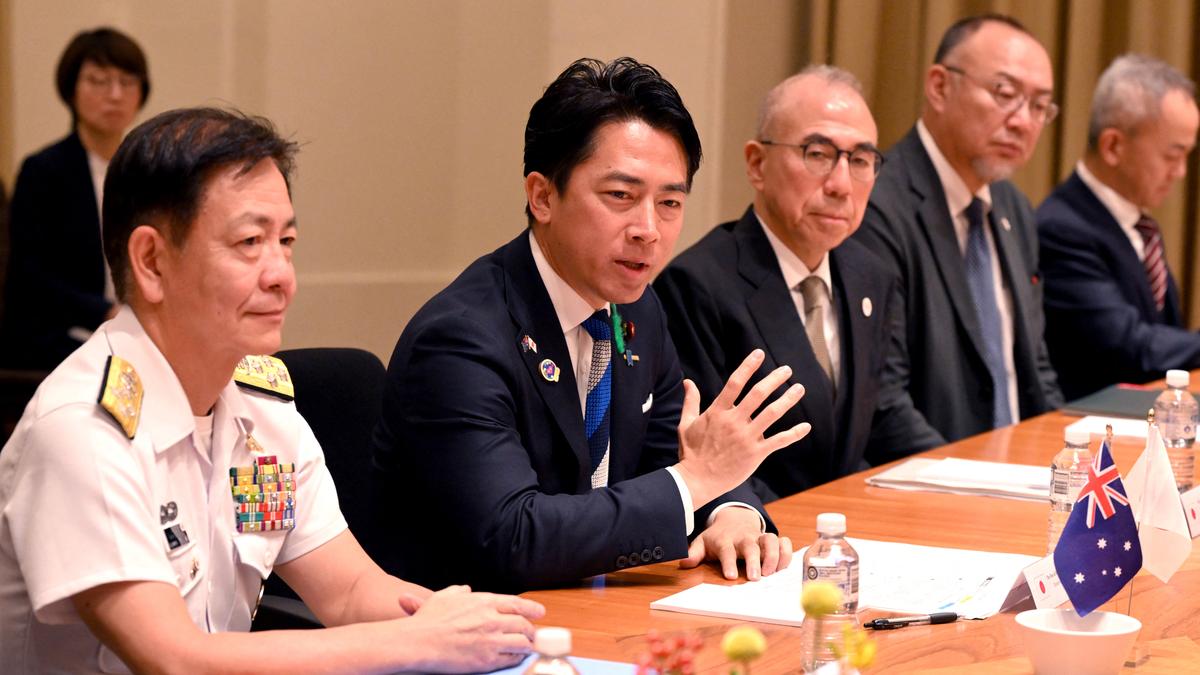
- Australia signed an agreement to buy Japanese Mogami-class frigates, deepening two-way defense ties that have grown steadily over the last 15 years.
- Philippines hosted Japanese ground forces for combat training during this year's Balikatan Exercise, reflecting a decade of expanding defense cooperation.
- Singapore Prime Minister Lawrence Wong publicly stated that Southeast Asian countries support Japan playing a bigger regional role, including on the security front.
- Malaysia Prime Minister Anwar Ibrahim met Prime Minister Sanae Takaichi and confirmed their "comprehensive strategic partnership," with talks underway to transfer retired Japanese MSDF ships.
- Indonesia credits Japan with helping end Dutch colonial rule and is discussing the transfer of retired Asagiri-class destroyers to the Indonesian Navy.
- South Korea's leftist Lee Jae Myung administration conducted search-and-rescue exercises with the Japan Maritime Self-Defense Force, even as historical resentment persists.
Why it matters: Concrete defense transactions — Mogami-class frigates to Australia, Asagiri-class destroyers for Indonesia, Balikatan combat drills with the Philippines — show that Japan's remilitarization is functioning as a regional counterweight to China, not the threat Beijing claims. The pattern isolates China as the outlier: every other major Asia-Pacific government is either buying Japanese hardware, training with Japanese forces, or explicitly asking Tokyo to do more on security.
Ask SkimNews