The personal story of a dad who took his autistic son to the British Grand Prix — SkimNews
Get the Sports newsletter
Daily sports — scores, transfers, the storylines from the leagues you actually follow. Free.
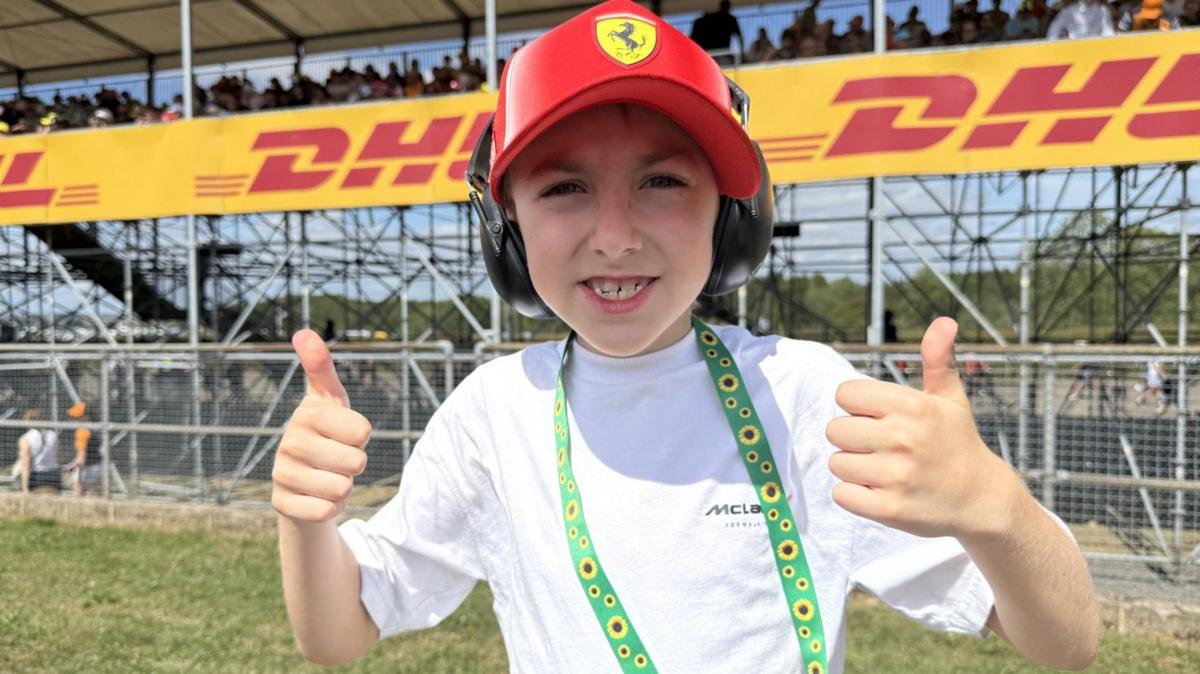
- Joshua, a 9-year-old autistic boy with ADHD, attended the British Grand Prix at Silverstone with his father and called it "one of the best days of my life," despite experiencing autistic burnout between qualifying and race day
- Silverstone created Copse Triangle, a dedicated trackside viewing area exclusively for neurodivergent fans with limited capacity, accessed through the circuit's Personal Assistance Scheme
- Neurodivergent fans now make up at least 20% of all accessibility ticket applications at Silverstone, a shift customer service head Louise Broomhall describes as "a decade of change" since she started at the circuit
- Mohammed Ben Sulayem, the FIA president, has proposed returning to louder V8 engines in 2030 or 2031, a change the article flags could negatively affect the neurodivergent fanbase that has grown accustomed to the quieter hybrid engines used since 2014
- Silverstone deployed 120 extra volunteer "race makers" in 2026 to help meet its accessibility requirements and offers a sensory room within its family zone for fans needing refuge from crowds
- Autism diagnoses in England rose 787% between 1998 and 2018, per National Autistic Society figures cited in the article, with 260,000 autistic pupils currently studying in English schools and at least 700,000 autistic adults and children in the UK overall
Why it matters: Neurodivergent fans now account for at least 20% of Silverstone's accessibility ticket demand, and the circuit's decade-long accommodation push now collides with FIA president Mohammed Ben Sulayem's stated ambition to reintroduce louder V8 engines by 2030 or 2031 — a shift that could undercut the acoustic environment making race attendance feasible for fans like Joshua, who finds a hand dryer unbearable but the distant roar of a McLaren almost comforting.
Ask SkimNews