Netanyahu Backs Saudi Entry to Abraham Accords
Get the Geopolitics newsletter
Daily geopolitics — wars, elections, sanctions, the diplomatic moves that move markets. Free.
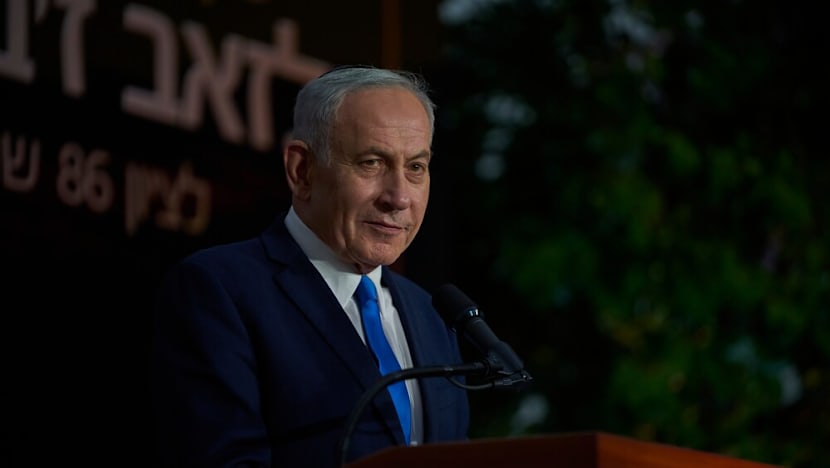
- Netanyahu's office said on July 23 that Saudi recognition of Israel would be a 'historic leap forward for peace in the Middle East,' following the US-Saudi civilian nuclear deal announced the previous day.
- Trump said the civilian nuclear programme for Saudi Arabia would be contingent on Riyadh normalizing relations with Israel, directly linking the deal to Saudi accession to the Abraham Accords.
- The Abraham Accords were US-brokered normalization agreements signed during Trump's first term that established formal diplomatic relations between Israel and the UAE, Bahrain, and Morocco — with Sudan also signing on but never ratifying.
- The original accords broke from the long-standing Arab position that normalization should wait until a Palestinian state was established, and were framed around shared concerns about Iran rather than the Israeli-Palestinian conflict.
- Saudi Arabia has maintained it will not normalize relations with Israel without a clear path to Palestinian statehood, despite being the region's largest economy and home to Islam's two holiest sites.
- US officials said Saudi-Israeli normalization talks were making progress just days before Hamas's October 7, 2023 attack, which some analysts argued was intended to derail a prospective deal.
- Netanyahu's statement tied the prospect of expansion to 'joint American and Israeli military action against the genocidal regime in Tehran,' framing recent Iran strikes as having created the conditions for wider peace.
Why it matters: Saudi Arabia is the Abraham Accords' most consequential potential addition — its accession would transform the framework from a peripheral diplomatic arrangement into a Middle East cornerstone. But Riyadh's stated precondition of a Palestinian statehood path remains unresolved, and Trump's conditioning the nuclear deal on normalization means the same obstacle that stalled talks before October 7, 2023 could still block this push.