Yale discovers hidden electrical network in the retina — SkimNews
Get the Health newsletter
Daily health & science — research, biotech, public health, the studies worth knowing. Free.
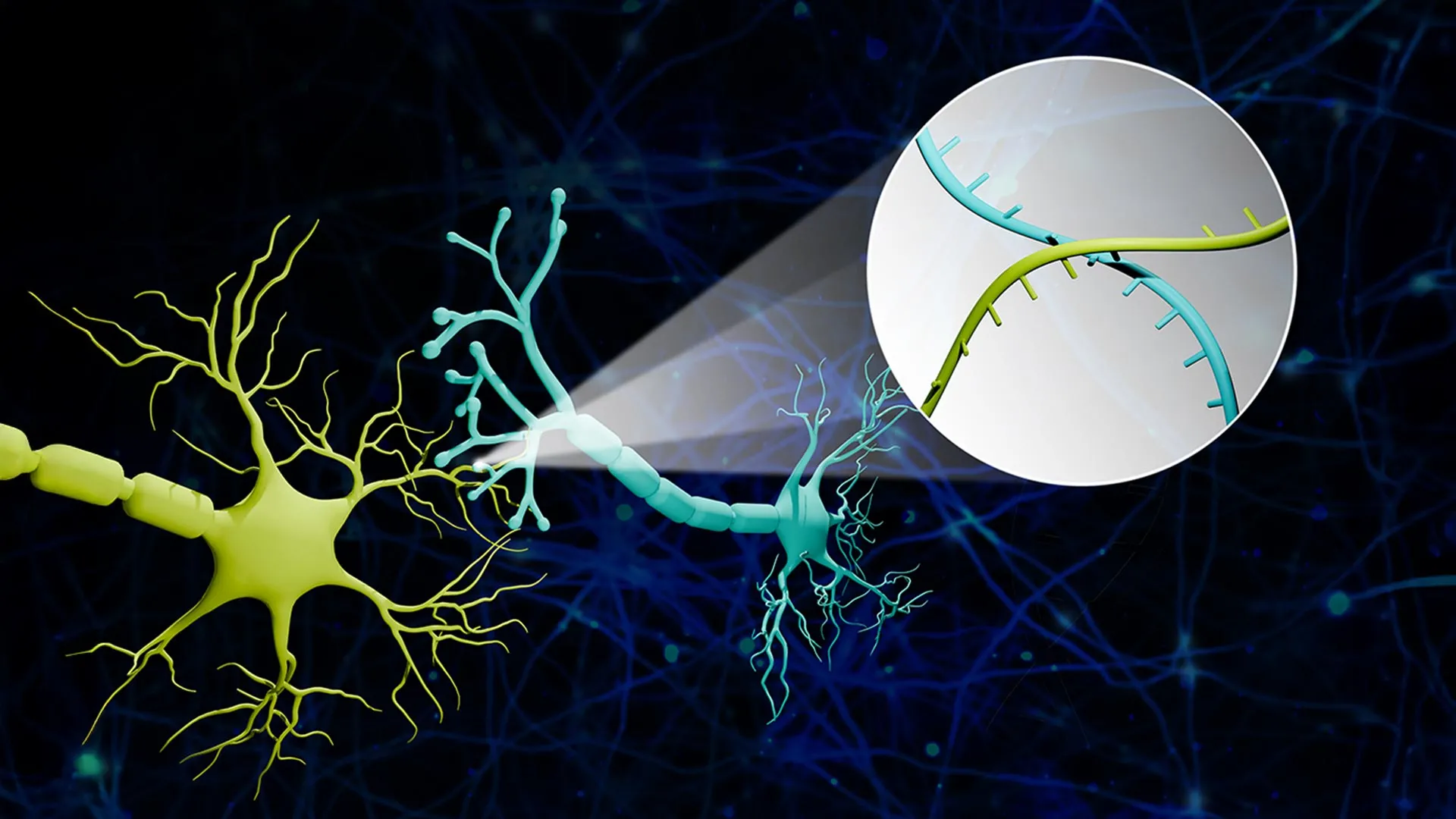
- Yale School of Medicine researchers found that electrical synapses — gap junctions once thought minor in the retina — link nearly all of the bipolar cell channels that carry color, contrast, motion, and shape information, overturning the long-standing view that these pathways operate independently.
- A bipolar cell type dubbed BC6 acts as a 'commander' within this network, sending signals through multiple visual pathways in an organized, hierarchical pattern, according to principal investigator Z. Jimmy Zhou, Marvin L. Sears Professor of Ophthalmology and Visual Science.
- First author Yao Xue and the team showed that electrically stimulating a single bipolar cell in both mouse and human retinas triggered broad, cloud-like neurotransmitter release across many neighboring cells, rather than the response confined to one pathway.
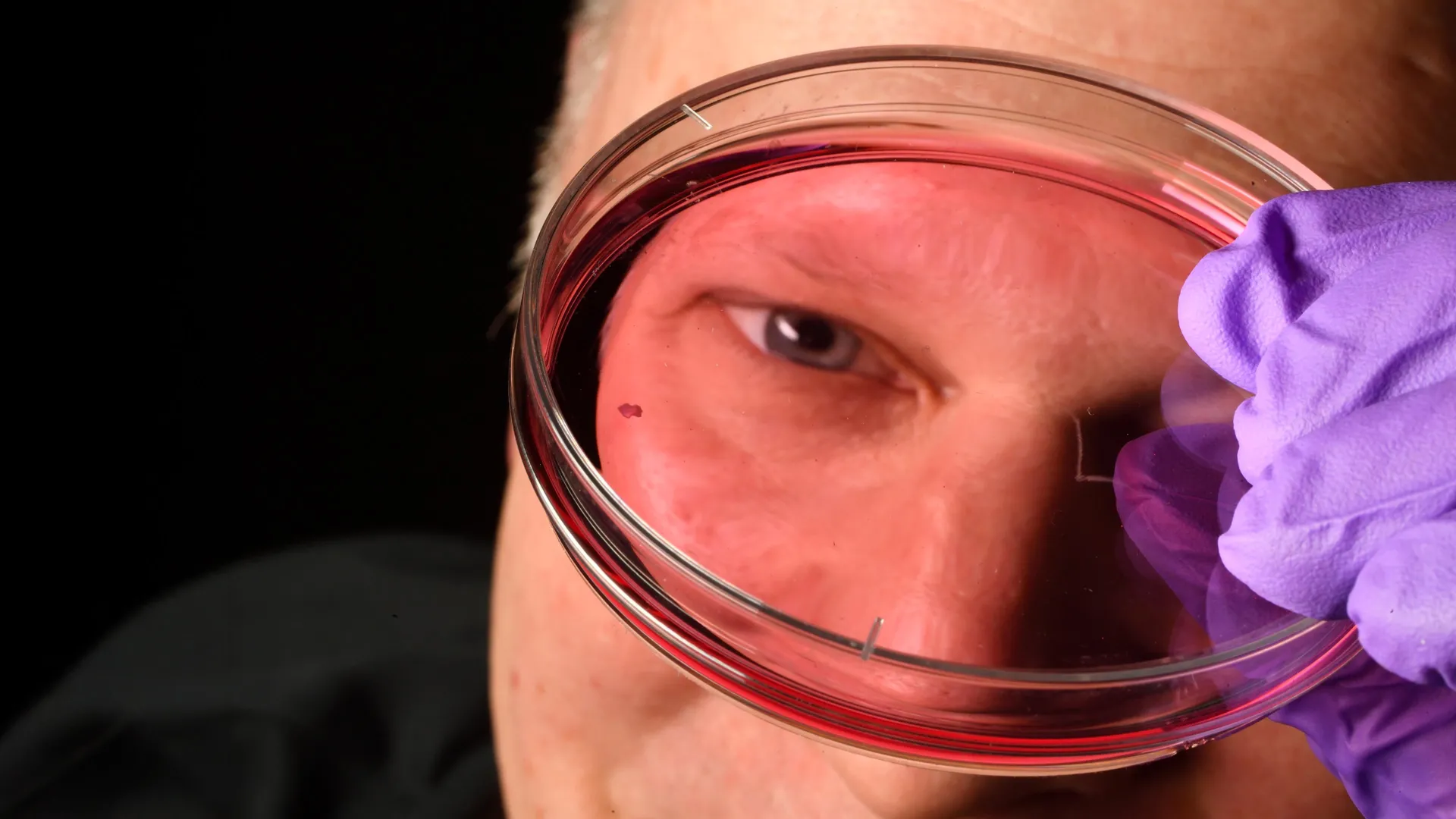
- The Yale team successfully ran dual patch clamp recordings on fully intact mouse and human retinas — the first experiments of this kind in an intact human retina — using tissue obtained through the Department of Pathology's Legacy Tissue Donation Program.
- Co-corresponding author Seunghoon Lee says integrating weak signals across channels is especially useful for detecting low-contrast stimuli and small objects, since dividing an already faint signal leaves each pathway with less to process.
- The study, published in Neuron (DOI: 10.1016/j.neuron.2025.12.042), could inform research into retinal diseases including macular degeneration, glaucoma, and congenital night blindness, and offer clues about how other neural networks in the central nervous system operate.
Why it matters: Because the retina is part of the central nervous system, the discovery of a hidden electrical coordination network challenges textbook models of parallel visual processing and opens a new mechanistic angle on macular degeneration, glaucoma, and congenital night blindness — three diseases that damage exactly the circuits Yale has now mapped for the first time in intact human tissue.
Ask SkimNews