US Iran sanctions hit UAE banks that already cut Tehran off — SkimNews

Get the Geopolitics newsletter
Daily geopolitics — wars, elections, sanctions, the diplomatic moves that move markets. Free.
- US Treasury launched a global sanctions campaign on August 24 against entities still trading with Iran through Emirati and Qatari banks, ports and free zones — with no entities named, no deadline set and no guidance published.
- The UAE had suspended all trade and financial dealings with Iran indefinitely on August 19 — five days before the US announcement and without being asked — having supplied over 30% of Iranian imports worth roughly $21 billion a year.
- FinCEN proposed on August 28 cutting five Emirati branches of Egypt's Banque Misr from US correspondent banking, citing approximately $1.8 billion moved for 103 suspected Iranian front companies since January 2024; OFAC simultaneously designated the Dubai branch manager of Bank Melli.
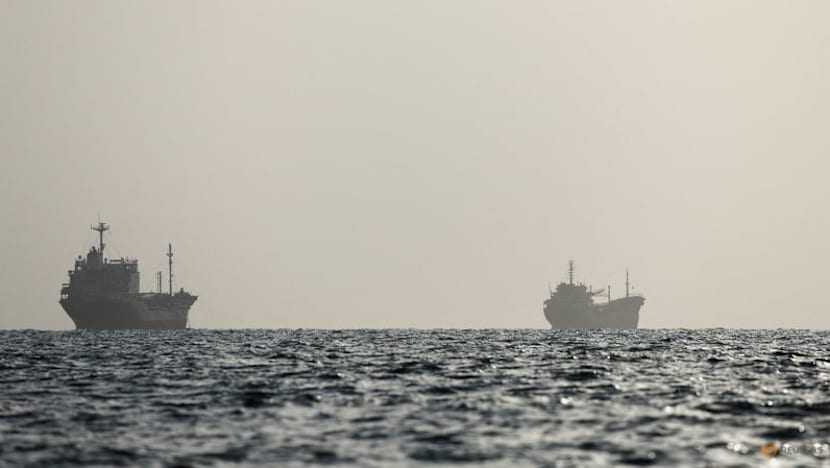
- War-risk insurance for Gulf shipping rose from roughly 0.25% of hull value pre-war to 7.5–10% by late July, with crossings down about 90% and approximately 6,000 seafarers stranded aboard ships in the Gulf.
- Iran's IRGC declared the Strait of Hormuz — including Omani waters — will remain under Iranian military control until the US returns to the June memorandum signed under Pakistani mediation, and Iran's security chief said no oil would leave the Gulf if the economic war continues.
- UN Resolution 2817 (March 11, 135 co-sponsors) condemned Iran's attacks but authorized nothing; Russia and China vetoed an April 7 follow-up that would have allowed defensive escort.
- Iran retaliated against Arab hosts of US operations by hitting energy facilities and airports in the UAE and Saudi Arabia, drone-striking US support sites in Jordan and Kuwait, and firing ballistic missiles toward Emirati waters in August.
Why it matters: The UAE absorbed both its own $21 billion/year trade severance and US enforcement actions against its banks, while Iran's Hormuz crude exports collapsed to near zero from 2 million barrels per day pre-war. Tehran lost its incentive to keep the strait open for anyone else; crossings are down 90% with 6,000 seafarers stranded.
Ask SkimNews