Iran Demands U.S. 'Accept Defeat' Over Hormuz Blockade

Get the Geopolitics newsletter
Daily geopolitics — wars, elections, sanctions, the diplomatic moves that move markets. Free.
- Kazem Gharibabadi, Iran's Deputy Foreign Minister, declared on August 15, 2026 that the Strait of Hormuz would open and close "only under Iran's command," demanding the U.S. accept defeat before Iran lifts its blockade
- Gharibabadi said Iran will "continue to enforce the blockade" until the U.S. stops "indulging in fantasies," signaling no urgency to restore prewar trade flows
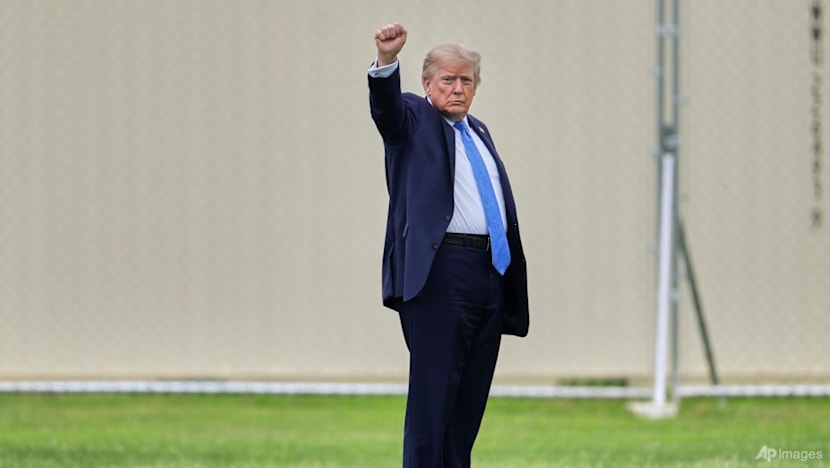
- President Trump at a Garden City, New York rally on August 14 urged Americans to pay "a tiny little bit more for your gasoline," framing higher fuel costs as the price of stopping "a very evil country" from obtaining a nuclear weapon
- The U.S. and Israel launched the war on February 28, 2026; before the conflict, one in five barrels of the world's oil exports passed through the Strait of Hormuz
- Progress toward reviving peace talks and restoring oil tanker traffic through the strategic waterway are both stalled, per Iranian statements
- Gharibabadi dismissed the idea that the strait could be seized militarily, writing it "cannot be seized by a tweet or an aircraft carrier, by issuing an order or by delivering an election speech"
Why it matters: One in five barrels of global oil exports passed through the Strait of Hormuz before the February 28 war. Iran's public demand for U.S. capitulation and Trump's framing of higher gasoline prices as an acceptable wartime cost suggest both sides are dug in rather than negotiating, keeping a critical global oil chokepoint closed and raising fuel costs for American consumers.
Ask SkimNews